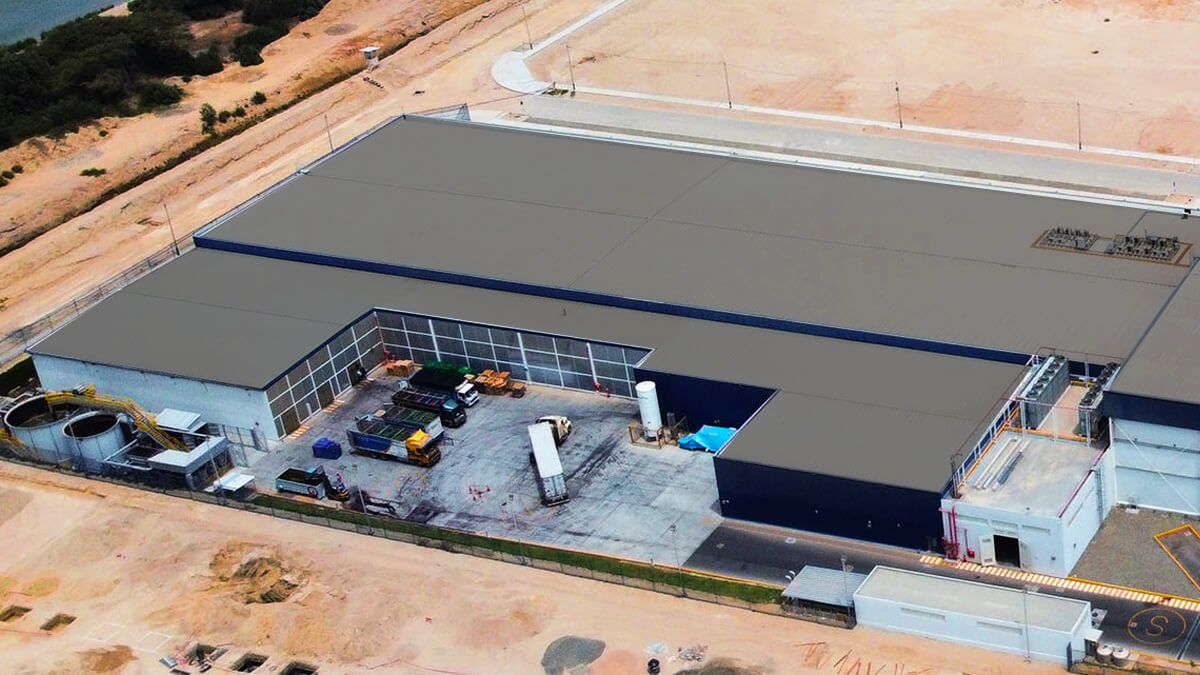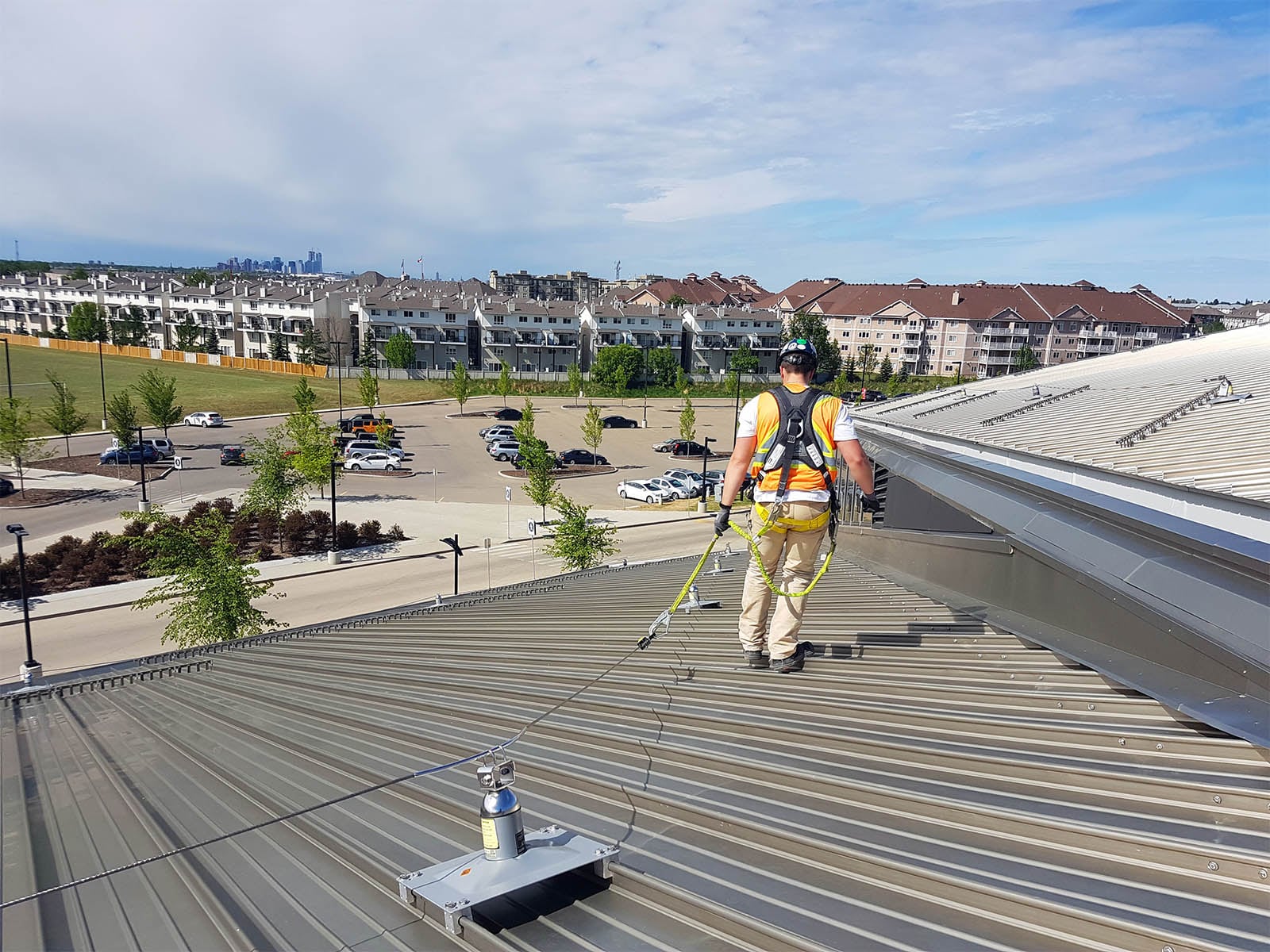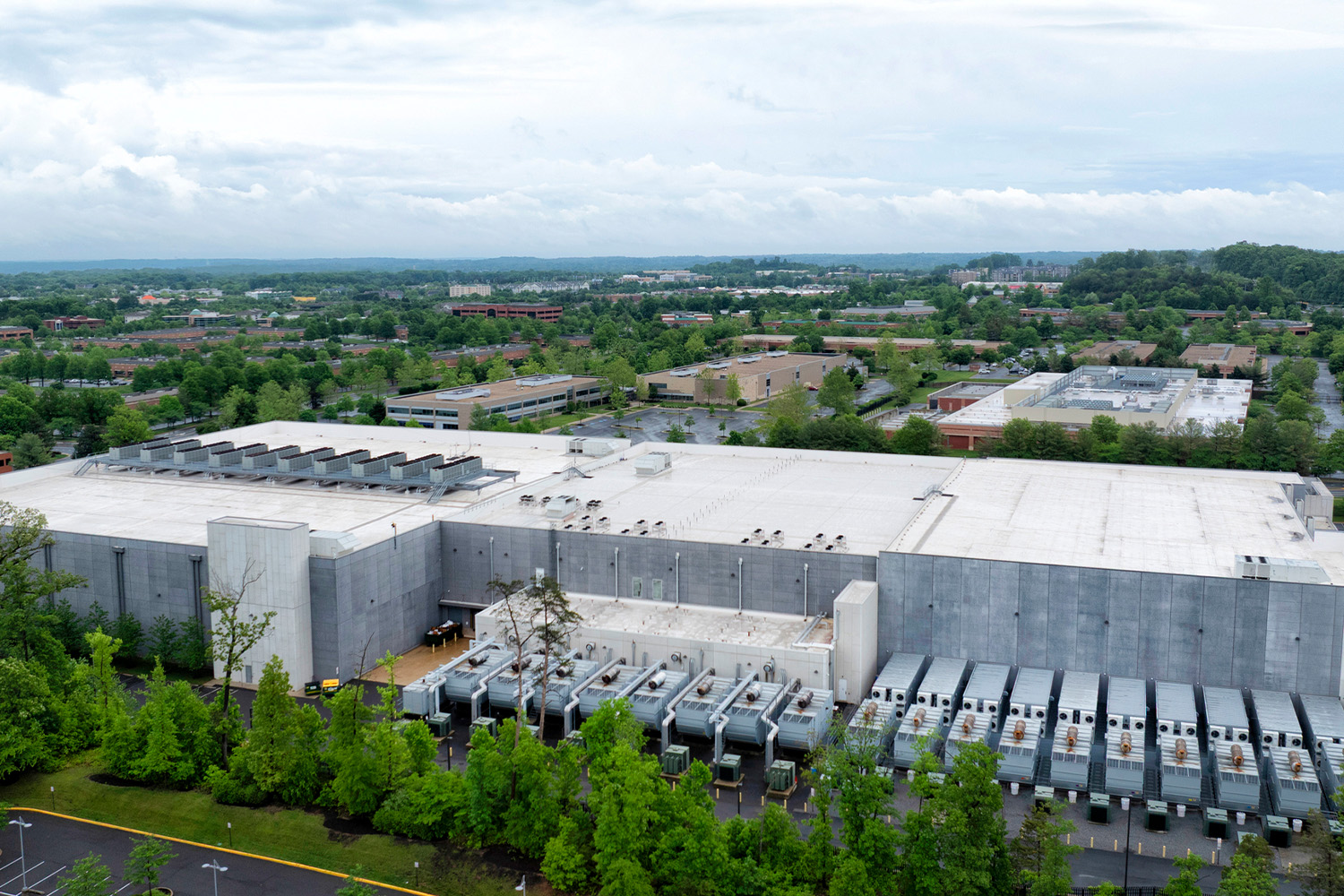
Fresno's data center market reflects the Central Valley's dual identity as both an agricultural powerhouse and a growing hub of government and commercial computing. California's state government maintains significant administrative computing infrastructure in Fresno, serving the agencies and programs that operate across the Central Valley's vast geography. Agricultural technology computing — precision irrigation management, crop yield analytics, supply chain systems for the Valley's enormous produce industry, and the data-intensive compliance reporting that California's water and environmental regulations require — creates a growing layer of private sector data center demand. Commercial roofing contractors serving Fresno's data center market operate in one of California's most demanding climate environments, where extreme summer heat is the defining engineering challenge.
Fresno's summer climate is among the most extreme of any major California city. Daytime temperatures routinely exceed 100°F for extended periods, and rooftop surface temperatures on exposed membranes can reach 190°F or higher on peak summer days. This extreme heat environment accelerates membrane degradation by compressing thermal expansion and contraction cycles, weakening adhesives and seam bonds, and driving thermal stress into penetration flashings and edge details. The combination of extreme heat and the strong UV radiation characteristic of California's Central Valley creates a membrane aging environment that demands careful material selection. Cool roof compliance is not only required by California's Title 24 energy code for most commercial buildings — it is an engineering necessity for membrane longevity in Fresno's climate. White TPO and reflective PVC membranes are the clear specification choice for data center roofs in this market.
Agricultural technology computing infrastructure is the fastest-growing segment of Fresno's data center market. The Central Valley produces an extraordinary share of the nation's fruits, vegetables, nuts, and dairy, and the precision farming revolution has transformed that production into a data-intensive enterprise. Companies like The Wonderful Company, Sun-Maid, Dole, Del Monte, and Sun Pacific all rely on computing infrastructure that manages everything from field sensor data to cold chain logistics to export compliance documentation. This agricultural computing layer creates demand for facilities that must remain operational through harvest seasons and the intense logistics periods that follow, placing a premium on roofing systems that won't generate maintenance emergencies during critical operational windows.
State government computing in Fresno serves populations and administrative functions across the San Joaquin Valley, with agencies including the California Department of Food and Agriculture, state corrections administration, and regional facilities of CalTrans and other departments housing computing infrastructure that serves millions of California residents. Government facility roofing projects in California are subject to procurement and specification requirements that include DSA (Division of the State Architect) oversight for certain facility types and prevailing wage requirements that affect labor cost calculations. Roofing contractors competing for state government data center work in Fresno must be familiar with California's public contracting requirements and have the documentation infrastructure to comply with prevailing wage reporting obligations.
Fresno's tule fog season, which runs from November through February, represents an underappreciated roofing system moisture challenge. While the Central Valley receives minimal rainfall, the dense radiation fog that settles over the valley floor during winter months deposits significant moisture on rooftop surfaces and can create condensation on cold roofing membrane surfaces. Data center roofs that are adequately cooled by rooftop equipment — with condensing units running even in winter to manage interior heat loads — can experience surface temperatures that promote frost formation during tule fog events, creating freeze-thaw stress even in a climate not normally associated with winter moisture damage. Roofing contractors who understand the specific moisture dynamics of the Central Valley winter are better equipped to design roofing details that handle this localized challenge.
The air quality challenges of Fresno's San Joaquin Valley location create a specific maintenance consideration for data center rooftop cooling equipment and the roofing systems around it. The Valley's persistent particulate matter — from agricultural dust, vehicle emissions, and wildfire smoke — accumulates on rooftop surfaces and in cooling equipment filters and heat exchangers. This accumulation affects cooling efficiency and can, over time, create deposits on roofing membranes that accelerate degradation or obscure developing membrane damage. Roofing maintenance programs in Fresno should include periodic surface cleaning as well as membrane assessment, and contractors who understand the regional air quality profile can advise data center operators on appropriate cleaning intervals and techniques that maintain membrane performance without causing abrasion damage.
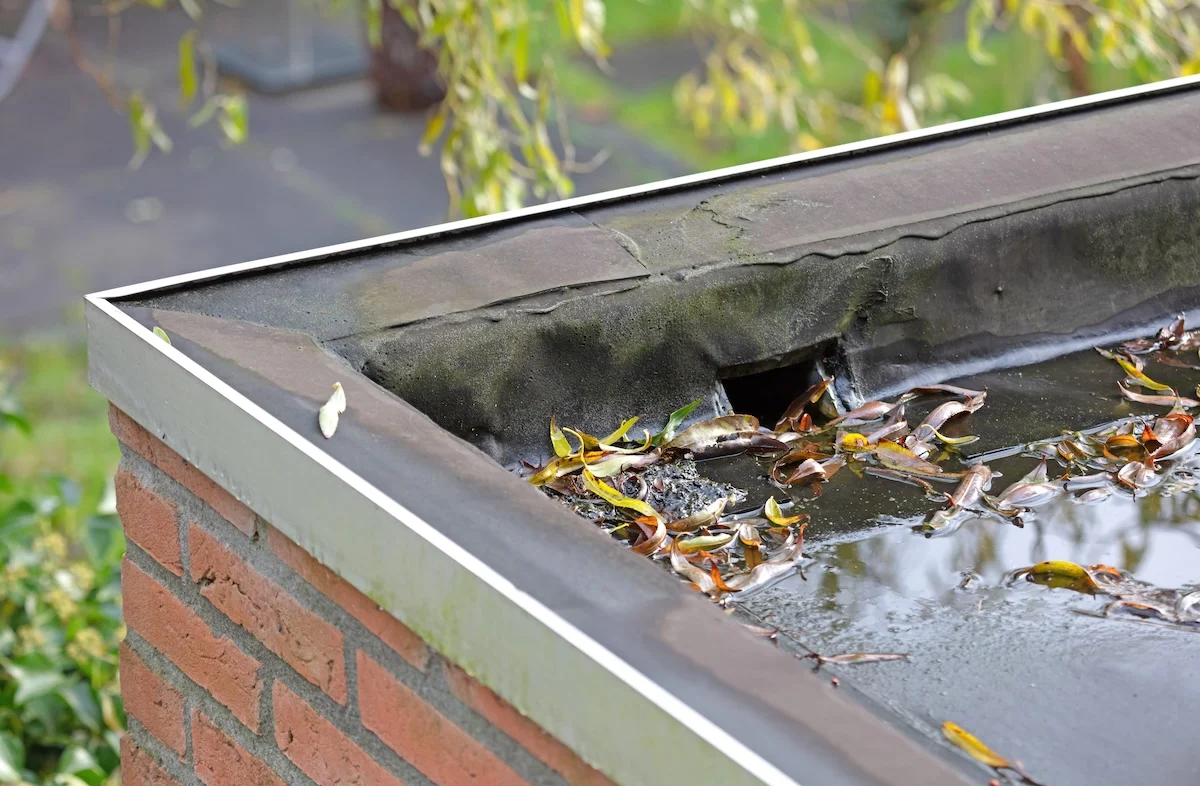
Wildfire smoke events have become an increasingly significant consideration for data center operations in the Fresno area. The Central Valley sits downwind of the Sierra Nevada foothills, where large wildfire events have become more frequent and severe. Extended smoke events reduce solar radiation reaching rooftop surfaces, which slightly reduces thermal stress on membranes but creates air quality challenges for rooftop cooling equipment intakes. More critically, post-wildfire rainfall events can deposit ash and debris on rooftop surfaces that block drainage and create additional moisture retention. Roofing contractors serving Fresno data centers should include post-wildfire-event inspection in their maintenance program recommendations, particularly for facilities with multiple roof drains where ash accumulation can cause drainage to back up.
The Central Valley's continued growth as an agricultural and logistics hub, combined with California's ongoing state government investment in digital services, positions Fresno's data center market for sustained expansion. The ag-tech revolution is still in relatively early stages, and the computing infrastructure required to manage precision farming, supply chain analytics, and food safety compliance will grow substantially as the technology matures and adoption accelerates across the Valley's farming community. Commercial roofing contractors who develop expertise in California's Title 24 requirements, desert climate membrane specifications, and the state government procurement process will be well-positioned to serve this market as Fresno's digital infrastructure footprint continues to grow.