Roofing the Largest Decks in Fresno Without Stopping the Line
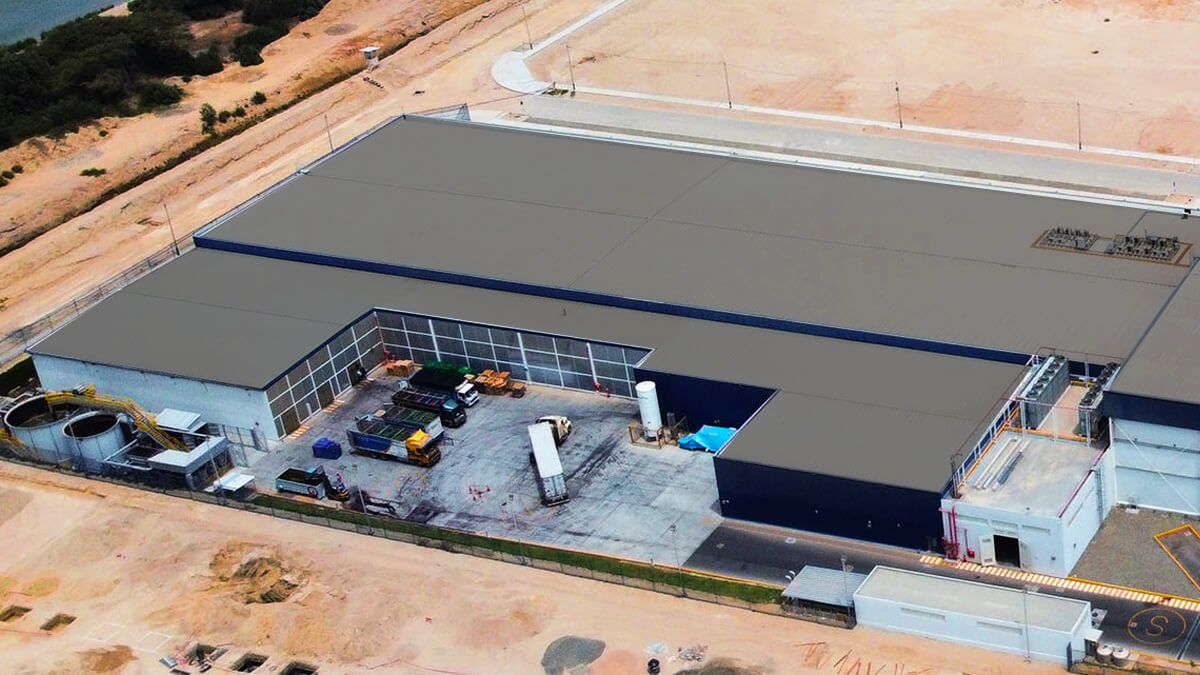
Automotive manufacturing roofs operate at a scale most commercial projects never touch, and they sit over production where every hour of downtime carries a number the plant's engineering team can quote you before the contract is signed. Assembly buildings, stamping plants, powertrain facilities, and Tier 1 and Tier 2 supplier shops run continuous multi-shift schedules, so the roof work has to bend around the line instead of the line bending around the roof. We plan, mobilize, and sequence these projects with that cost-per-hour as the governing constraint, not an afterthought.
Fresno's industrial base supports this kind of heavy manufacturing. The large-format industrial buildings along the Ventura Avenue corridor, the manufacturing and logistics concentration through south Fresno near the Highway 99 freight spine, and a regional economy that economic-development planners describe around manufacturing, logistics, and a deep workforce all put very large production roofs in play. The Central Valley climate then adds its own load, baking acres of membrane under hard summer sun before testing every seam with winter rain.
Acres of Deck, Heavy Ventilation, and Process Loads
The defining roofing realities of an automotive plant come from sheer size and the equipment that size implies.
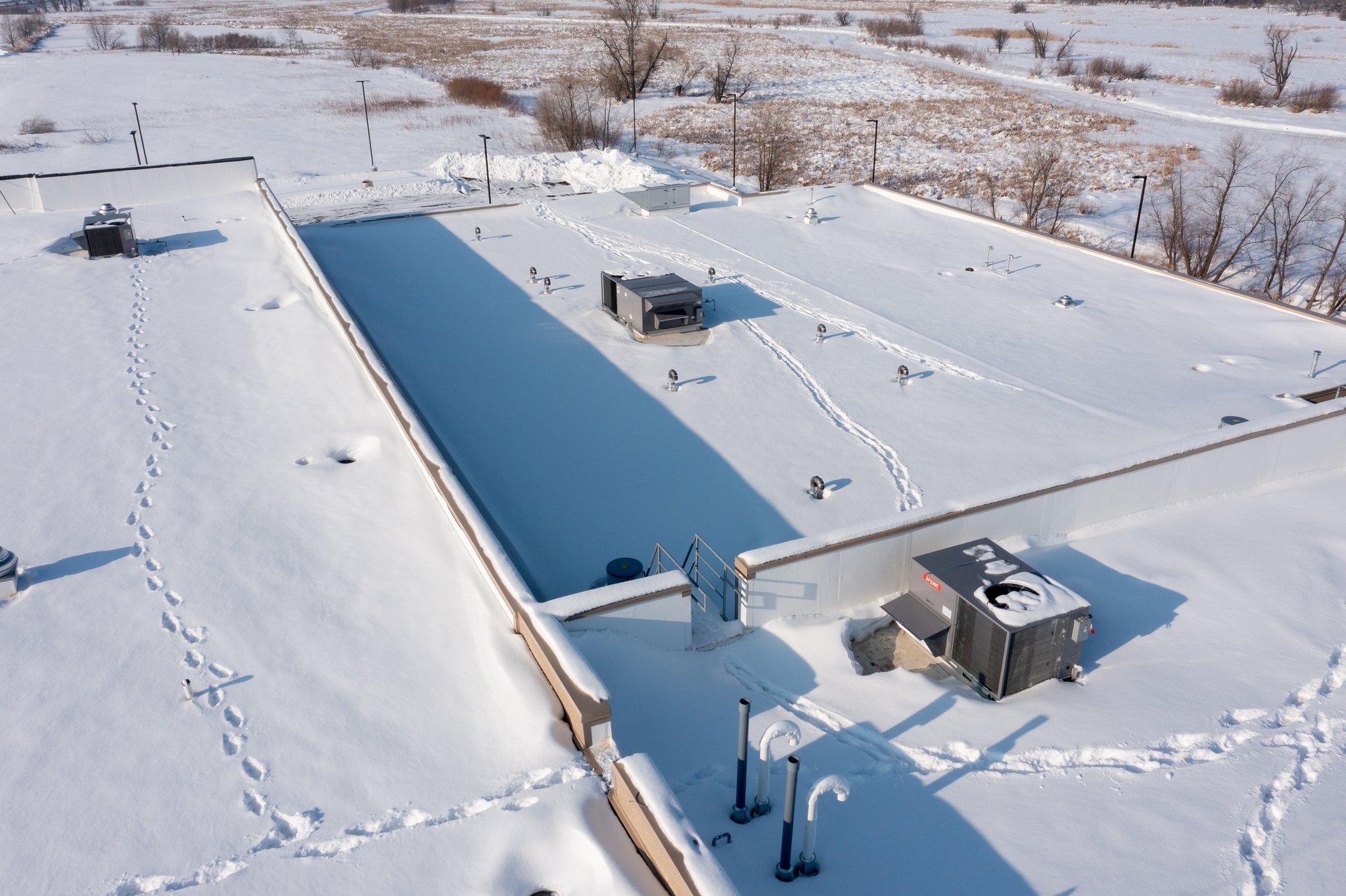
- Very large single-envelope roofs. Decks from several hundred thousand to a few million square feet under one envelope demand phased planning that sections the roof into zones, sequences tear-off and material delivery to stay within crane reach and storage limits, and keeps adjacent zones producing while one phase is open.
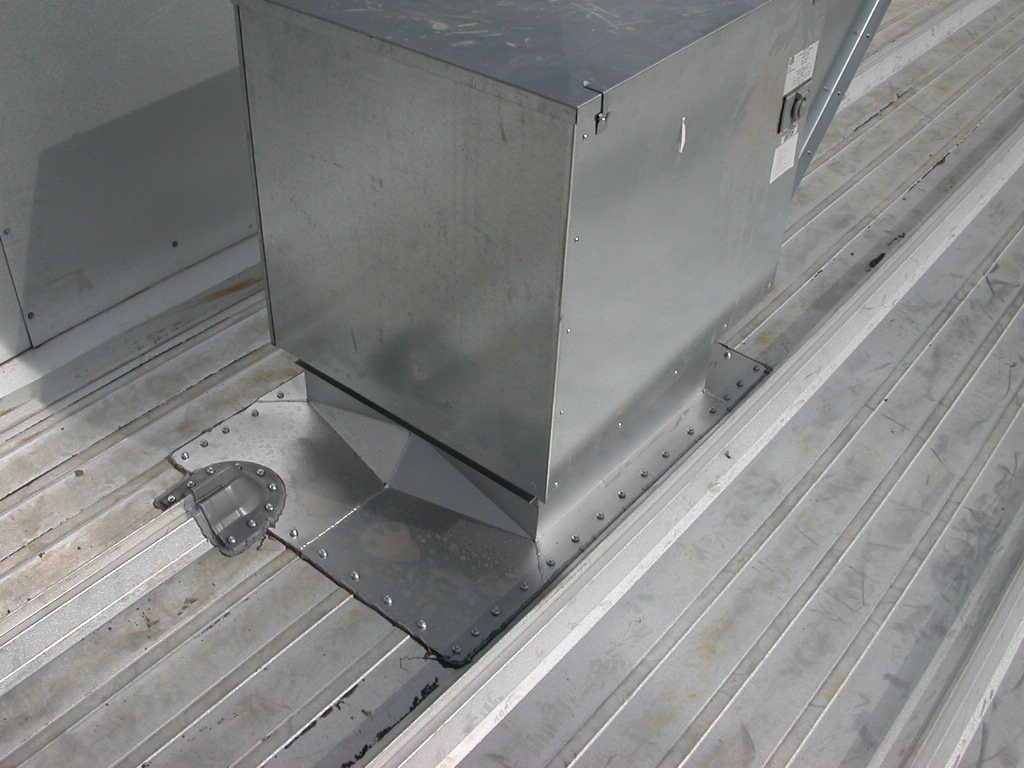
- Heavy process ventilation. Weld smoke, machining mist, and process heat drive dense rooftop ventilation and exhaust, and every fan, hood, and duct penetration is its own flashing and documentation item before new membrane goes over it.
- Process and structural loads. Large presses and machining equipment, plus mechanical units, mean we confirm existing deck capacity before specifying insulation thickness or new curbs.
Membrane for Large-Span Production Roofs
For most large-span automotive roofs in Fresno we specify 60-mil or 80-mil TPO mechanically attached, with fully adhered systems where fastener patterns conflict with hot-work limits. Tapered insulation goes into zones with documented drainage problems, and where the deck is load-constrained we verify capacity before building up thickness. The point is a system matched to the deck and the operation underneath it, not a one-size template.
Paint-Shop Hot-Work Limits and Press Vibration
The paint shop changes the rules on the roof above it. Paint operations generate solvent vapor and carry fire-suppression requirements that restrict torch and hot work and rule out solvent-based adhesives above active paint zones. We build the hot-work plan with your EHS team during preconstruction and specify cold adhesive or mechanical attachment for paint-adjacent areas. These are standard planning items for us, not surprises that show up mid-project.
Stamping, casting, and powertrain operations add a different problem: roof-level vibration. Heavy presses transmit frequencies that can fatigue improperly welded or bonded seams, even where standard seam design would be fine on an ordinary building. We account for vibration exposure in the membrane spec and welding procedures for press-adjacent zones so seams hold under the real operating environment.
Protecting Production Through Every Phase
Before mobilization we document the shift schedule with plant engineering, map which roof zones sit over active lines, and build a zone-by-zone phasing plan that keeps work clear of running production. Each zone is dried in before every shift change, and we keep direct contact with the maintenance foreman throughout. Tier 1 and Tier 2 suppliers running just-in-time schedules get the same discipline, because their tolerance for interruption is just as low as an OEM's.
Logistics That a Million Square Feet Demand
On a roof this size, the logistics are the project. Tear-off debris, new insulation, membrane rolls, and fasteners all have to move on and off a deck where crane reach, staging room, and dumpster placement are constrained by the active plant around the building. We sequence material delivery so the crew is never waiting on a load and the roof is never carrying more staged material than the deck and the schedule can absorb. Crane picks are planned around shift changes and traffic on the plant floor below, and a single open zone is kept small enough to dry in completely before weather or a shift change arrives. Getting this wrong on a small retail roof costs a day; getting it wrong on a multi-million-square-foot assembly plant costs production, which is why we treat the material and crane plan with the same rigor as the membrane spec.
Skylights, Smoke Vents, and Code on a Reroof
Large production roofs are dotted with skylights and smoke or heat vents that are easy to overlook until a reroof forces the question. Aging acrylic skylights crack and yellow, and the curbs under them are a frequent chronic leak source on older plants. A reroof is the right moment to replace failing skylight domes, re-flash their curbs, and confirm that smoke and heat vents still meet current code for the occupancy below. We inventory every one of these openings during the survey and fold their replacement or re-flashing into the phasing, so the new membrane is not interrupted six months later by a skylight that should have been addressed during the project.
Documentation Formatted for Plant Engineering
Automotive closeout typically wants contractor safety qualification, a site-specific safety plan, the OSHA 300 summary, warranty registration, a roof-zone diagram with a penetration inventory, daily work reports, permit records, and a photographed condition survey. OEM facilities often require their own corporate format, and we deliver the package the way each plant's engineering department needs to receive it.
Automotive Manufacturing Roofing Questions
How do you keep production running during a reroof?
Production continuity governs every decision. Before mobilizing we document shift schedules with plant engineering, identify which zones sit over active lines, and build a zone-by-zone phasing plan that stays clear of running production. We confirm daily dry-in before each shift change and stay in direct contact with your maintenance foreman.
How do you handle hot-work limits over the paint shop?
Paint-shop hot-work restrictions require EHS pre-approval before any torch, grinder, or welding work above or near paint operations. We build the hot-work permit plan in preconstruction and specify cold adhesive or mechanical attachment in paint-adjacent zones where torch work is excluded.
What membrane do you use on large-span automotive roofs?
Usually 60-mil or 80-mil TPO mechanically attached, with fully adhered systems in paint-shop zones where fastener patterns conflict with hot-work limits. We add tapered insulation where drainage is deficient and confirm deck capacity before specifying insulation thickness on load-constrained structures.
Do you work on Tier 1 and Tier 2 supplier plants?
Yes. Suppliers carry the same coordination demands as OEM plants, often with just-in-time schedules that tolerate no interruption. We document the production schedule, sequence around it, and keep daily contact with your facilities team.
What documentation do you provide at closeout?
Contractor safety qualification, a site-specific safety plan, the OSHA 300 summary, warranty registration, a roof-zone diagram with penetration inventory, daily reports, permit records, and a photographed condition survey, formatted to your plant engineering department's standards.
Get a Plan Sized to Your Plant
We will assess your production roof, account for the ventilation, paint-shop limits, and press vibration that define it, and deliver a phased plan that protects the line and the cost-per-hour that rides on it.