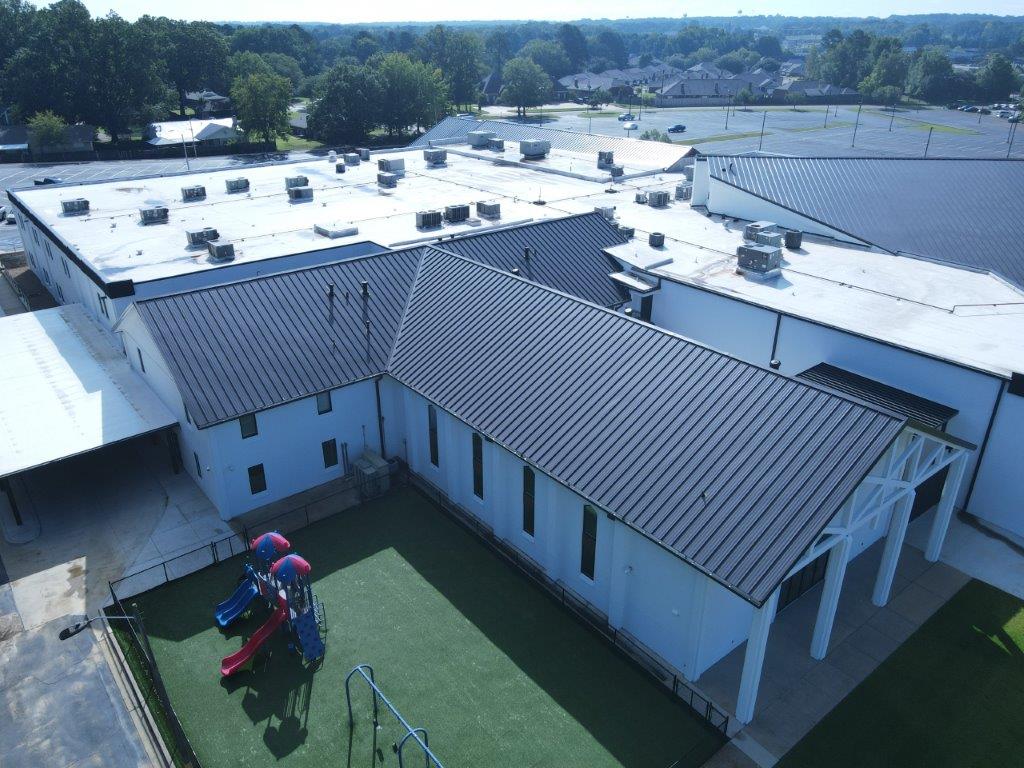
Fresno's landmark Peoples Church, one of the largest evangelical congregations in California's Central Valley, has long understood that a well-maintained roof is as essential to its ministry as any program it offers. A failing roof shuts down sanctuaries, fellowship halls, and multi-purpose buildings that serve thousands of members each week. Commercial roofing contractors who work with religious institutions in Fresno know that the stakes are different here than on a standard warehouse job — the building is occupied nearly every day of the week, and the congregation is the client in the most personal sense imaginable.
Clear-span roofing on large sanctuaries presents unique engineering challenges that general contractors rarely encounter. Fresno churches built during the suburban growth of the 1960s through 1990s often feature expansive roof decks with minimal interior support columns, designed to provide unobstructed sightlines for congregants. These wide clear-span systems require roofing membranes and attachment methods engineered for the specific deflection characteristics of long-span steel or laminated timber framing. An experienced commercial roofer will assess the deck substrate carefully before specifying any new roofing system.
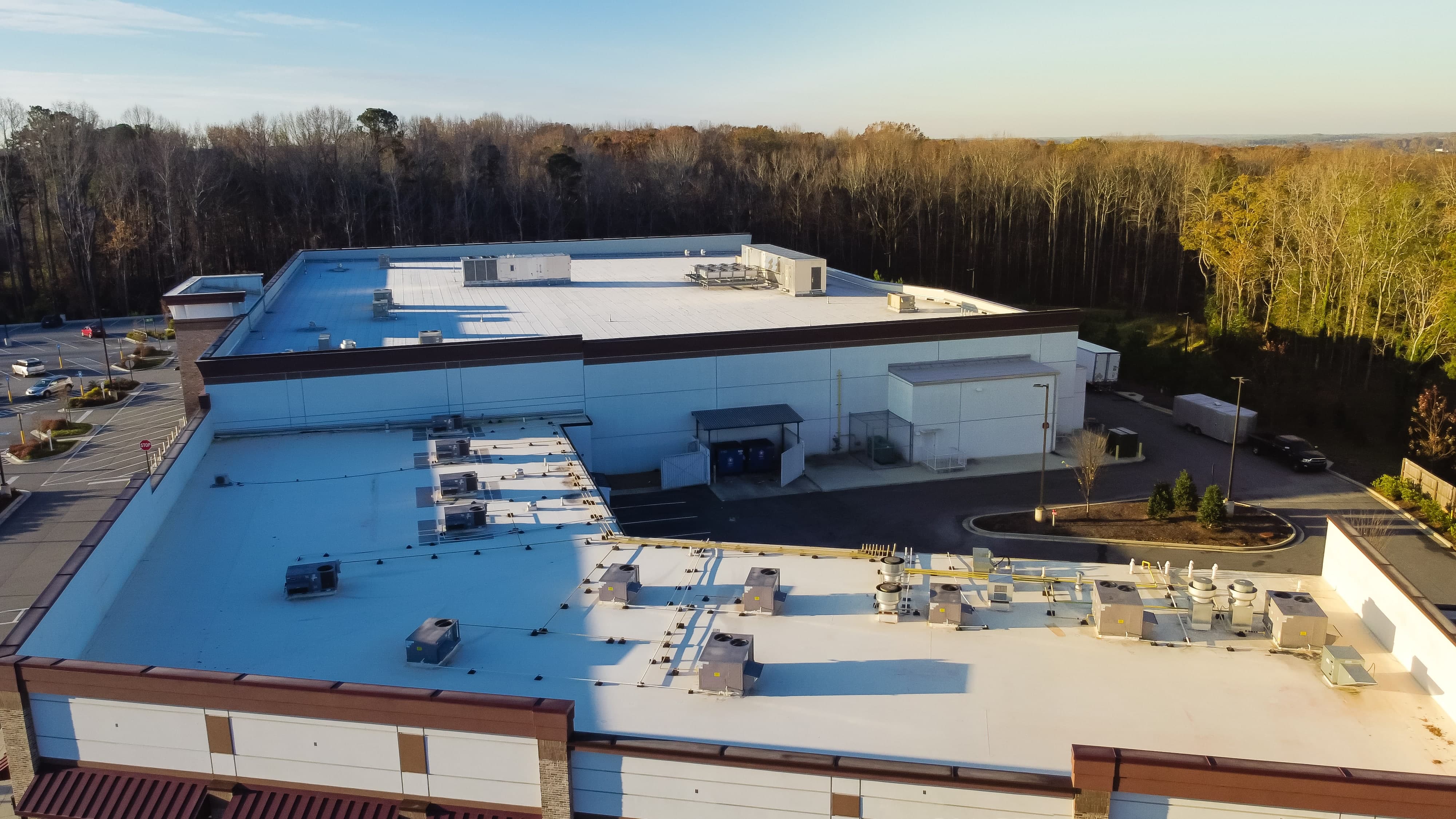
California Title 24 energy compliance is a non-negotiable requirement for any re-roofing project in Fresno. Title 24 mandates cool-roof surface reflectance and thermal emittance values that directly affect product selection. Many single-ply TPO and white modified bitumen systems qualify, but the congregation's facilities committee must receive documentation confirming compliance before permits will be issued. Working with a contractor who knows Fresno's local building department processes saves weeks of back-and-forth and keeps capital campaigns on schedule.
Capital campaigns are often the financial engine behind major roofing projects for Fresno churches. A congregation that has been deferring roof maintenance for years may finally launch a building fund drive when visible leaks or ceiling damage forces the issue. Roofing contractors who understand this dynamic can assist facilities staff in preparing accurate scoping documents and budget estimates that support pledge campaigns. A credible contractor-prepared cost estimate, delivered on letterhead with a clear scope of work, carries weight with donors and lending institutions alike.
Scheduling is one of the most sensitive aspects of church roofing in Fresno. Sunday services, midweek Bible studies, preschool programs, and community events create an almost continuous calendar of building use. A roofing contractor must map the congregation's calendar before mobilizing, identifying windows — often early mornings on weekdays — when noise-producing work such as tear-off can proceed without disrupting activities below. In Fresno's hot Central Valley summers, some tear-off work is best performed before 9 a.m. anyway to protect workers from extreme heat.
Committee decision-making is a reality of church construction that contractors must respect. Unlike a corporate client with a single decision-maker, a church roofing project typically involves a property committee, a finance committee, and often a vote by deacons or elders. A skilled commercial roofing salesperson in Fresno will present proposals in formats that travel well through committee review — clear scope, itemized options, warranty comparisons, and references from comparable religious projects in the Central Valley. Patience and responsiveness to follow-up questions from multiple stakeholders is essential.
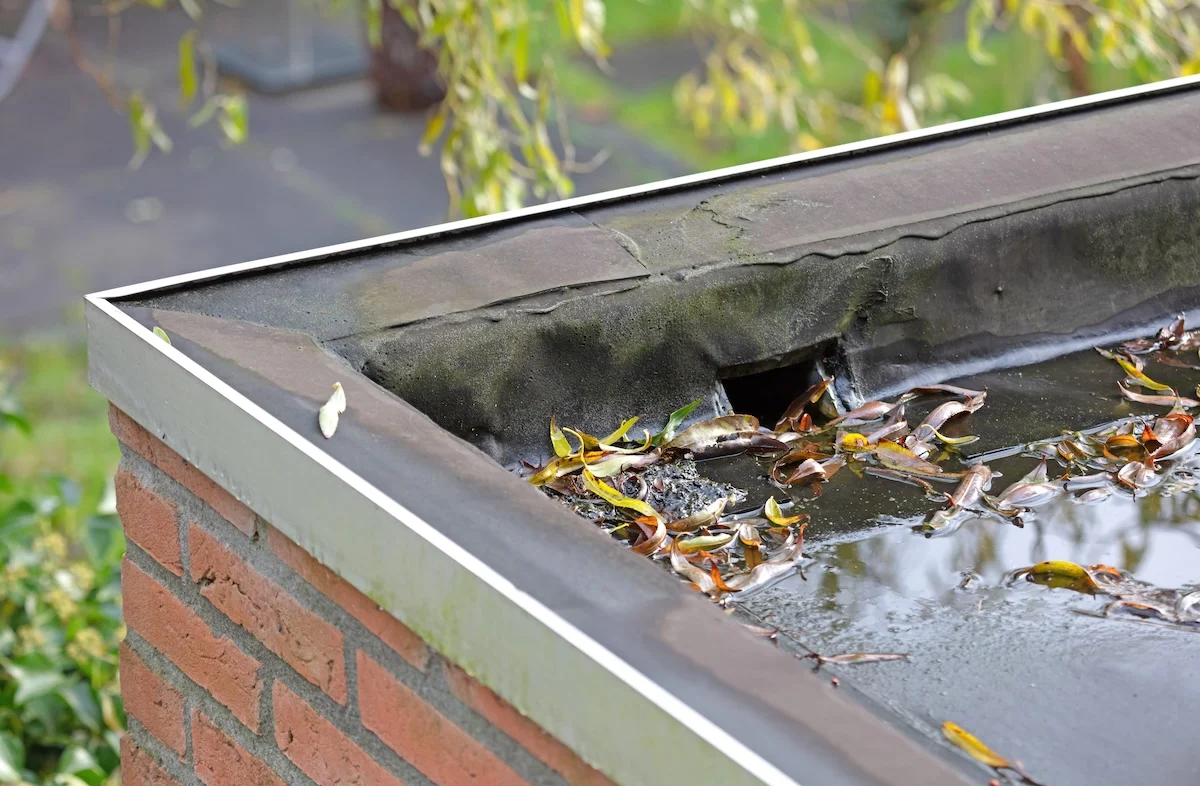
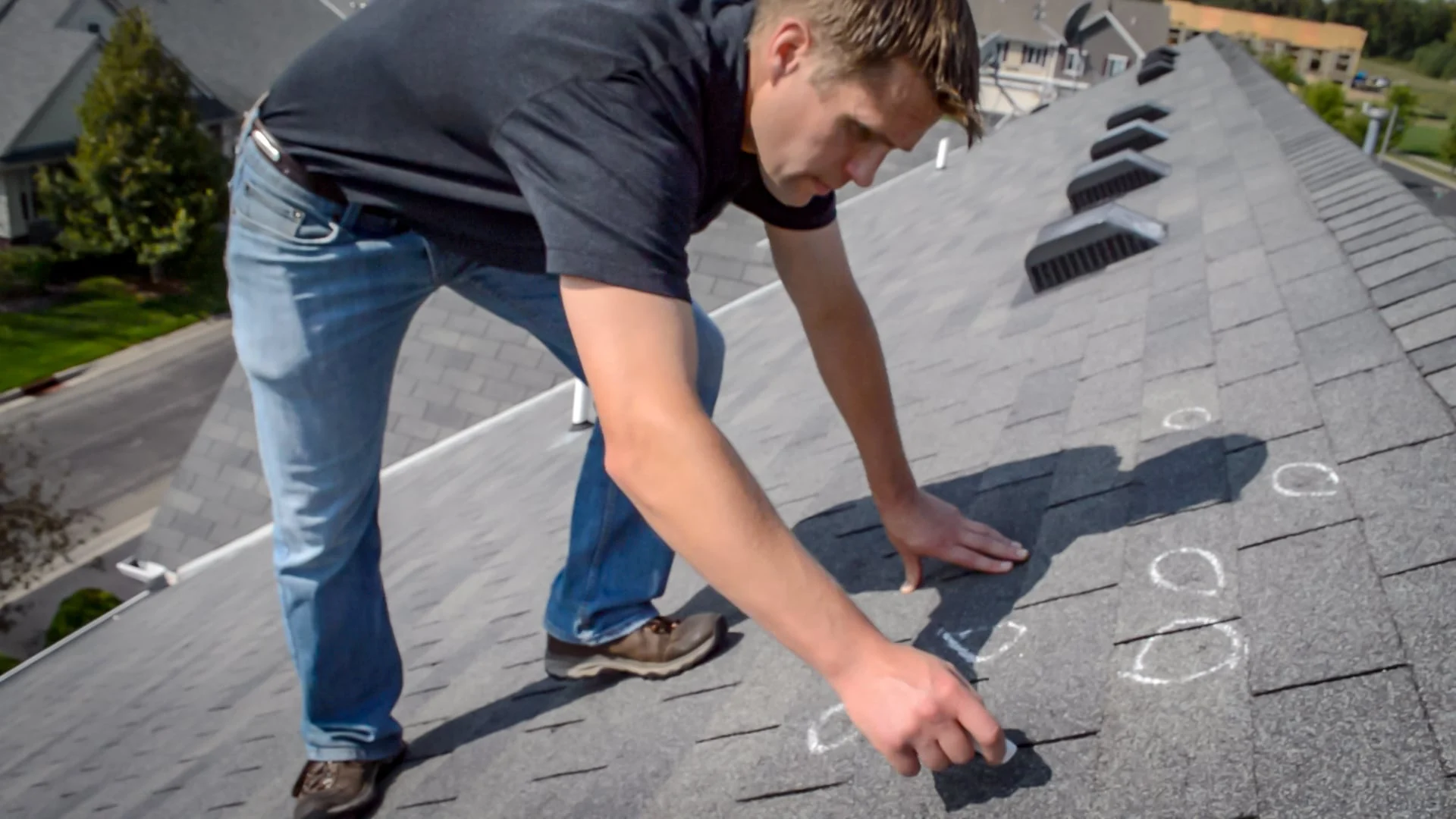
Fresno's climate — hot dry summers exceeding 100°F and cool wet winters — places specific demands on roofing materials. Thermal cycling is severe, particularly on dark-colored low-slope roofs that were installed before cool-roof requirements existed. Granule loss on modified bitumen systems, seam fatigue on older single-ply, and blistering on built-up roofs are all common inspection findings on Fresno church rooftops. An infrared moisture survey before bidding helps identify wet insulation that must be replaced and allows for accurate material quantification.
Architectural features on historic or traditional church buildings require special attention. Steeples, dormers, cupolas, copper flashing details, and ornamental metal work are all points where water infiltration begins if not maintained properly. Fresno contractors experienced with religious buildings understand that these elements are often non-negotiable from the congregation's perspective — the architectural character of the building matters to the membership — and they approach flashing repairs and replacements with craftsmanship rather than expediency.
A long-term maintenance agreement following a major re-roofing project protects the congregation's investment and provides peace of mind to the facilities team. Semi-annual inspections, prompt attention to storm damage, and documented maintenance records extend the life of any commercial roofing system by years. For Fresno churches managing buildings that represent decades of community investment, a maintenance partnership with a reliable local contractor is among the wisest long-term expenditures the property committee can approve.
- How does Title 24 affect our church re-roofing project in Fresno?
- Title 24 requires that any re-roofing covering more than 50% of the roof area meet cool-roof standards for surface reflectance and thermal emittance. Your contractor must specify compliant products and submit documentation to the Fresno building department. Most modern single-ply TPO and white modified bitumen systems meet these requirements.
- Can roofing work be done while our church is still operating?
- Yes, with careful scheduling. Experienced contractors work around your calendar, phasing noisy tear-off work during hours when the building is unoccupied and using odor-free or low-VOC materials where feasible to avoid disrupting services or preschool programs.
- How long does a typical church re-roofing project take in Fresno?
- A standard low-slope sanctuary re-roof of 10,000–20,000 square feet typically takes two to four weeks, depending on tear-off conditions, substrate repairs, and weather. Projects are often phased to keep at least portions of the building dry and accessible throughout.
- What roof type is best for a large clear-span sanctuary?
- Single-ply TPO or PVC membranes are popular choices for clear-span structures because they are lightweight, thermally reflective, and available in mechanically attached systems that accommodate deck movement without stressing the membrane. Modified bitumen is also used where foot traffic or HVAC access is frequent.
- How do we structure a capital campaign estimate for a roofing project?
- Ask your contractor for a formal written proposal with a defined scope, a unit-price breakdown, and a clear warranty summary. This document can be presented to your finance committee and included in pledge campaign materials. Including two or three bid comparisons and references from comparable Fresno-area church projects strengthens donor confidence.