Fresno is not merely an important food processing market — it is arguably the most significant food processing and cold storage roofing market in the United States. The San Joaquin Valley produces more agricultural output than any comparable geographic area in the world, and the processing and storage infrastructure that converts raw agricultural production into packaged, distributed food products is concentrated in and around Fresno on a scale that dwarfs comparable markets. Sun-Maid Raisin's processing operations represent one of the most recognizable food brands globally and one of the largest processing facilities in the region. Dole, Del Monte, Sun Pacific, and The Wonderful Company — the company behind Halos mandarin oranges, POM Wonderful, Fiji Water, and Wonderful Pistachios — all operate major processing, packing, and cold storage infrastructure in the Fresno area. Foster Farms, one of the West's largest poultry processors, adds protein manufacturing to a food industry landscape already defined by its sheer scale. Commercial roofing contractors in Fresno serve the most concentrated and diverse food processing client base in the country.
The Wonderful Company's Fresno-area operations span pistachios, almonds, citrus, and pomegranate processing, plus cold storage and distribution for its diverse food portfolio. The company's scale — it is one of the largest privately held companies in the United States — means that its facility standards reflect the sophistication of a major corporate food producer rather than a regional operation. Contractors seeking to serve Wonderful Company facilities must meet the company's supplier qualification requirements, which include food safety training, insurance coverage appropriate for large food facility operations, and experience with HACCP-compliant roofing projects. The investment in achieving Wonderful Company qualification pays dividends through access to a large and continuously maintained portfolio of food processing and cold storage facilities across the Central Valley.
HACCP compliance is universally required across Fresno's food processing sector, and it has specific implications for roofing specification in this market. FDA's FSMA framework, which covers most of Fresno's food production — produce, processed fruits and vegetables, and packaged foods — requires building envelope maintenance as part of the facility's food safety plan. USDA's inspection programs for Foster Farms and other meat and poultry facilities add federal inspection of building condition to the compliance landscape. The sheer density of food facilities in Fresno, combined with the regulatory frameworks that govern them, creates a market where HACCP-aligned roofing specification and food safety-conscious contractor practices are the norm rather than a premium expectation.
Cold storage roofing in Fresno presents the specific challenge of California's extreme summer heat combined with the vapor management demands of refrigerated storage. When outdoor temperatures reach 105°F on a peak summer day, the temperature differential across the roofing assembly of a cold storage facility — with freezer storage at -10°F inside and 105°F ambient outside — can exceed 115°F. This extreme gradient drives intense vapor pressure toward the cold interior, and any moisture that enters the roofing assembly will freeze within the insulation, progressively destroying thermal performance and structural integrity. Vapor retarder specification for Central Valley cold storage facilities must account for this extreme gradient, requiring very low permeability vapor barriers installed with complete continuity and exceptional penetration detailing. The failure consequences — insulation destruction, deck corrosion, structural failure — are well-documented in this market and entirely preventable with correct specification.
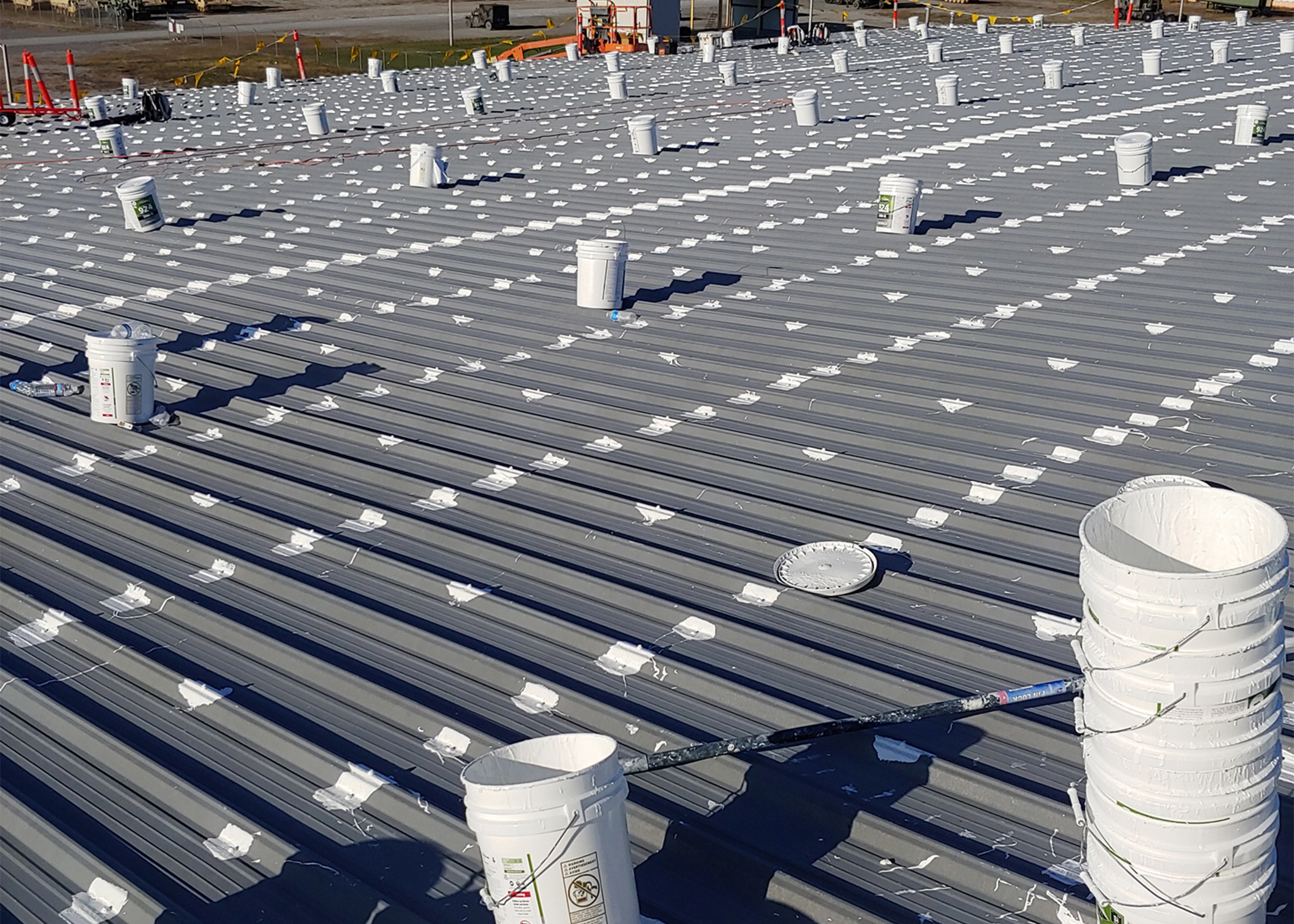
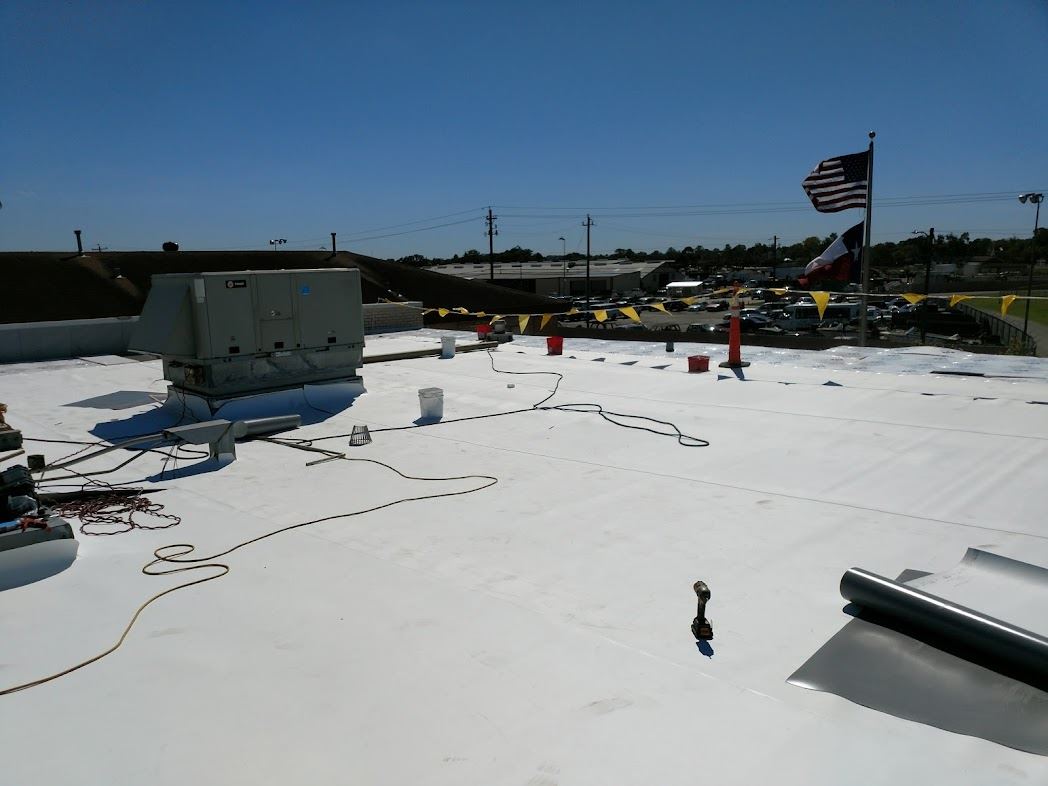
Fresno's extreme summer heat creates membrane selection requirements that differ significantly from most US food facility markets. Rooftop surface temperatures on exposed dark membranes can exceed 190°F during peak summer, accelerating thermal aging at rates that make material selection critical to achieving acceptable membrane service life. White TPO membranes and reflective silicone-coated systems are the standard specification for Fresno food facilities, providing both California Title 24 cool roof compliance and the membrane longevity that the desert climate demands. For cold storage facilities, the reflective surface provides the additional benefit of reducing solar heat gain that must be offset by refrigeration systems, delivering energy savings on top of the roofing longevity benefit. In a market where refrigeration energy costs are substantial, this energy efficiency argument supports investment in the highest-quality reflective membrane systems available.
The raisin, nut, and dried fruit processing sector has specific humidity management challenges that make vapor control in Fresno food facilities particularly important. Raisin and dried fruit processing involves carefully controlled drying operations where interior humidity must be managed to achieve the precise moisture content levels that food quality and shelf life specifications require. A roofing system that allows moisture infiltration into a raisin or dried fruit processing facility can compromise product quality in ways that may not be immediately detectable but that affect shelf life and food safety over time. The combination of precise interior humidity control requirements and the extreme exterior vapor pressure created by Fresno's summer heat makes vapor retarder specification for dried fruit processing facilities among the most technically demanding in the region's food industry.
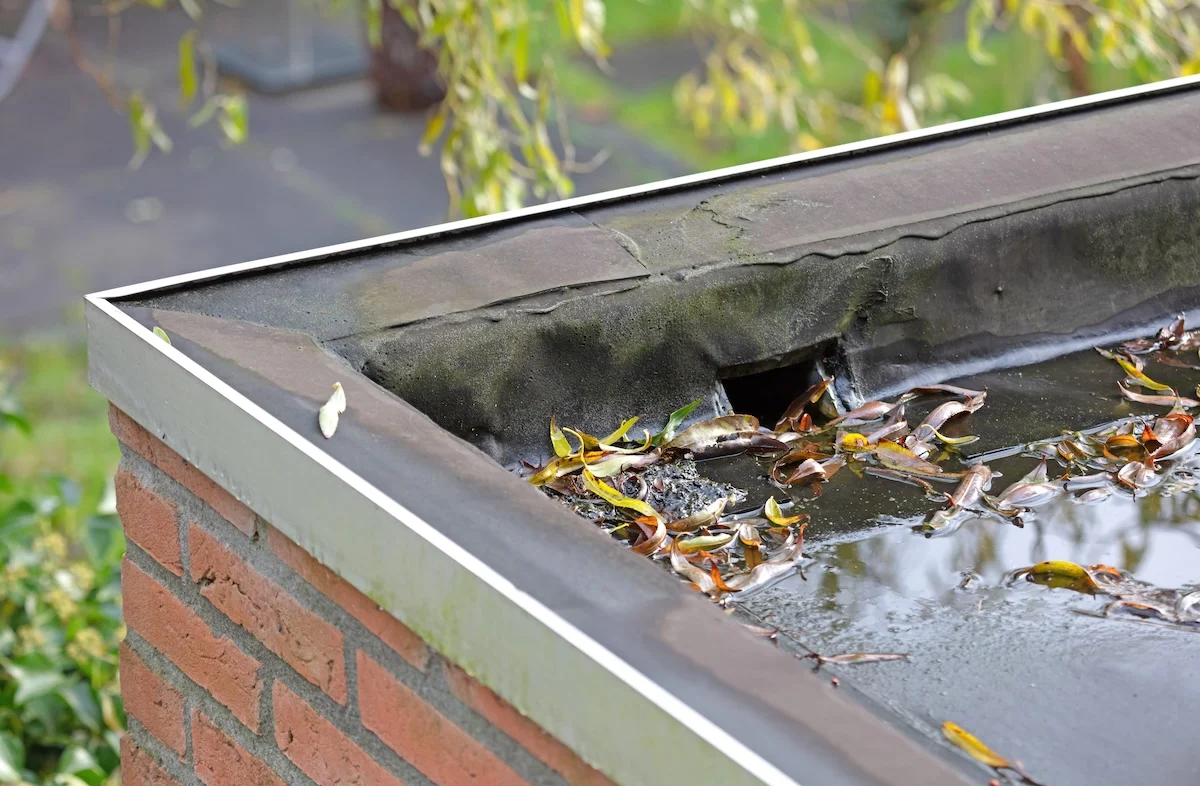
Smoke and air quality events have become an increasingly significant consideration for Fresno food facility roofing. The Central Valley's topography traps smoke from Sierra Nevada wildfires, creating extended air quality events that affect rooftop equipment performance and can deposit ash and particulate matter on roofing membrane surfaces. Ash accumulation on flat food facility roofs blocks drainage, creates additional moisture retention, and in concentrated areas can accelerate membrane degradation. Food facility roofing maintenance programs in Fresno should include post-wildfire event inspection, with particular attention to drain clearing and membrane surface assessment. Contractors who advise their food facility clients proactively on wildfire-related roof maintenance demonstrate awareness of local conditions that national contractors unfamiliar with Central Valley conditions often miss.
Foster Farms' poultry processing facilities in Fresno add the specific requirements of USDA-inspected meat and poultry operations to the food facility roofing landscape. Poultry processing involves significant water use — from live bird washing through carcass processing, chilling, and packaging — that creates high interior humidity levels exceeding those of most other food production environments. Roofing systems above poultry processing lines must manage this intense moisture load continuously, as production typically runs multiple shifts daily for most of the year. The combination of high interior humidity, USDA inspection requirements, and Fresno's challenging climate makes poultry processing facility roofing one of the most technically demanding specializations in the Central Valley food industry roofing market.
The Central Valley's tule fog season — dense radiation fog that settles over the valley floor from November through February — creates a localized roofing challenge for Fresno food facilities. While the Valley receives minimal winter rainfall, fog deposits moisture on rooftop surfaces and can create condensation on cold surfaces including the exterior of cold storage roofing assemblies where thermal bridging creates cold spots. This fog-deposited moisture can enter any existing roofing deficiency and may freeze on cold storage rooftops during the Valley's cold winter nights, creating freeze-thaw stress even in a climate not normally associated with winter ice damage. Pre-winter roofing inspection that identifies and seals any membrane or flashing deficiencies before the fog season begins is a best practice for Fresno cold storage operators.
The future of food processing roofing demand in Fresno is tied to both the continued growth of California's agricultural industry and the evolution of food safety regulatory standards. As FSMA's implementation continues and FDA increases its enforcement focus on food facility building maintenance, operators who have deferred roofing maintenance will face increasing pressure to upgrade their facilities to meet current regulatory expectations. The concentration of major food producers in the Fresno area, their ongoing capital investment in facility upgrades, and the region's sustained agricultural output all support continued strong demand for food facility roofing services. Contractors who have invested in the supplier qualification programs of major regional food companies, developed food safety-conscious construction protocols, and built expertise in Central Valley climate-specific roofing specifications are positioned to serve this market for decades.
Frequently Asked Questions
What makes Fresno the most significant food processing roofing market in the US?
The San Joaquin Valley produces roughly half of the nation's fruits, nuts, and vegetables, and the processing, packing, and cold storage infrastructure concentrated in and around Fresno is correspondingly massive. Companies including The Wonderful Company, Sun-Maid, Dole, Del Monte, Sun Pacific, and Foster Farms all operate major facilities in the region, creating a density of food facility roofing demand unmatched anywhere in the country. This concentration means that roofing contractors in Fresno with genuine food facility expertise can build sustainable businesses serving a diverse mix of high-value clients in a single market area.
How does Fresno's summer heat affect cold storage roofing systems?
The temperature differential between a Central Valley cold storage interior and the outdoor summer environment can exceed 115°F — among the largest such differentials in any US food facility market. This extreme gradient drives intense vapor pressure toward the cold interior, creating a roofing design challenge that demands very low permeability vapor retarders installed with complete continuity and exceptional penetration detailing. Any moisture that enters the roofing assembly at these temperatures will freeze within the insulation on contact with cold temperatures near the interior, causing progressive insulation destruction and structural deck damage. Correct vapor retarder specification is the foundational requirement for all Central Valley cold storage roofing.
What California energy code requirements apply to Fresno food facility roofing?
California's Title 24 energy code requires cool roof compliance for most commercial roof assemblies in climate zone 13, which covers Fresno. Compliant roofs must meet minimum initial and aged solar reflectance values, typically satisfied by white TPO, reflective PVC, or silicone-coated systems. Cool roof compliance is both a legal requirement and a practical energy management tool in Fresno's extreme climate — the energy savings from a compliant reflective membrane on a large food facility can be substantial over the membrane's service life. Contractors proposing non-compliant membrane systems for Fresno food facilities are creating permit and legal liability for their clients.
What are the contractor qualification requirements for major food companies in the Central Valley?
Major food producers including The Wonderful Company, Foster Farms, and others operate formal supplier qualification programs that typically require proof of insurance at specified coverage levels, documented food safety training for roofing crews, food facility-specific project references, FM system installation certifications, and demonstrated familiarity with HACCP building envelope requirements. Some companies also require completed background checks for all crew members who will access production areas. The qualification process can take several months and should be initiated well before a specific project opportunity arises. Contractors who complete these qualifications gain access to maintenance and capital project portfolios that provide stable, long-term revenue from among the region's most sophisticated facility operators.
How should roofing work be sequenced at an active food processing facility?
Active food production areas must remain fully covered and protected at all times during roofing work. This requires phased project sequencing with section-by-section membrane removal and replacement, maintaining a complete waterproof assembly over all active production zones throughout the project. Production schedule coordination is essential — some food companies can provide maintenance windows during shift changes or planned equipment servicing periods that allow more efficient roofing crew access. Construction debris, equipment, and personnel movement must be controlled to prevent any possibility of foreign material or water intrusion reaching the food production environment below. Contractors working on Fresno food facilities should develop project-specific food safety construction plans in coordination with the facility's food safety manager before mobilizing.