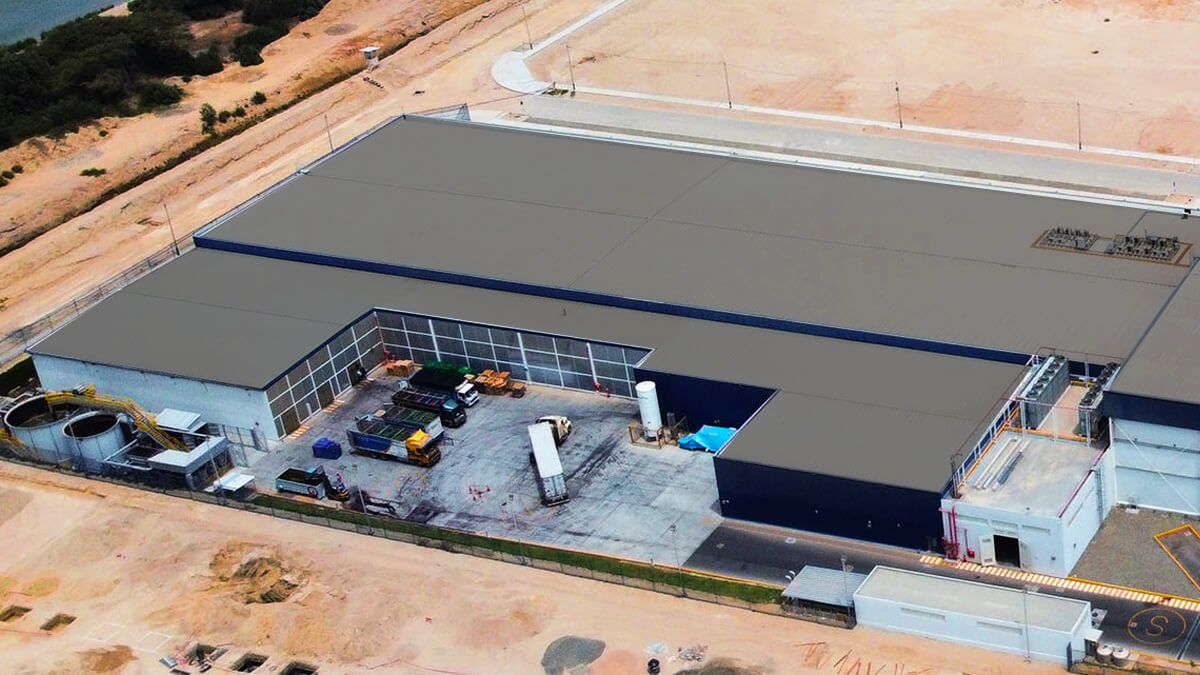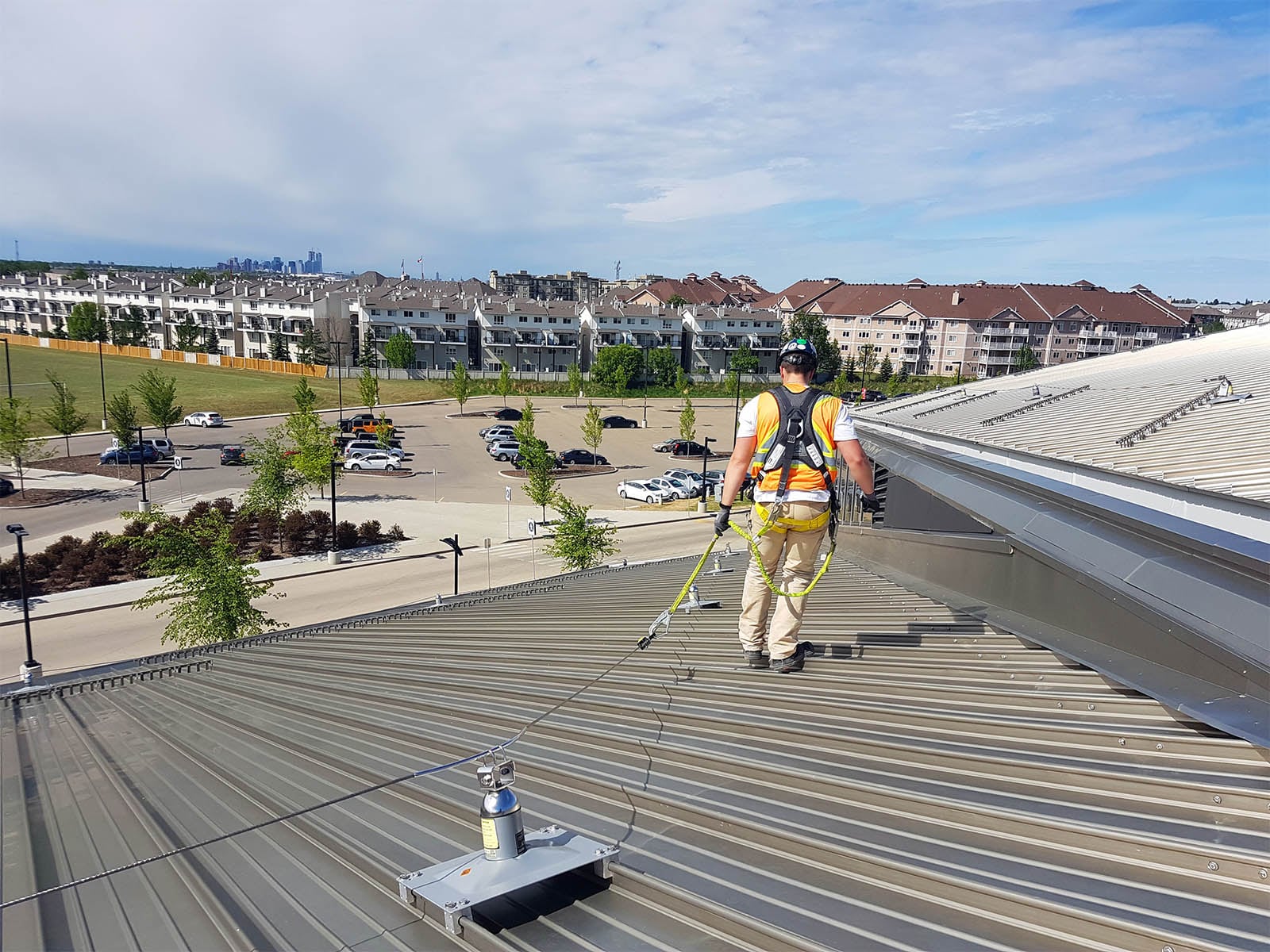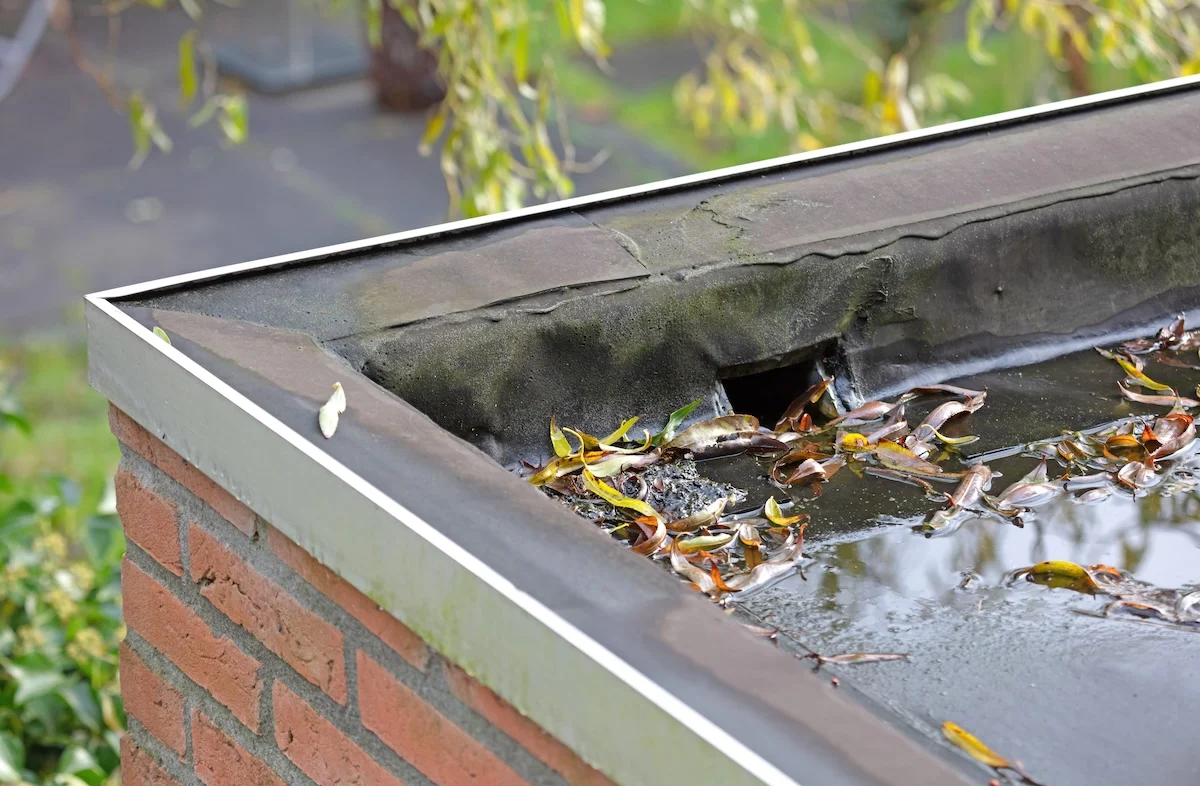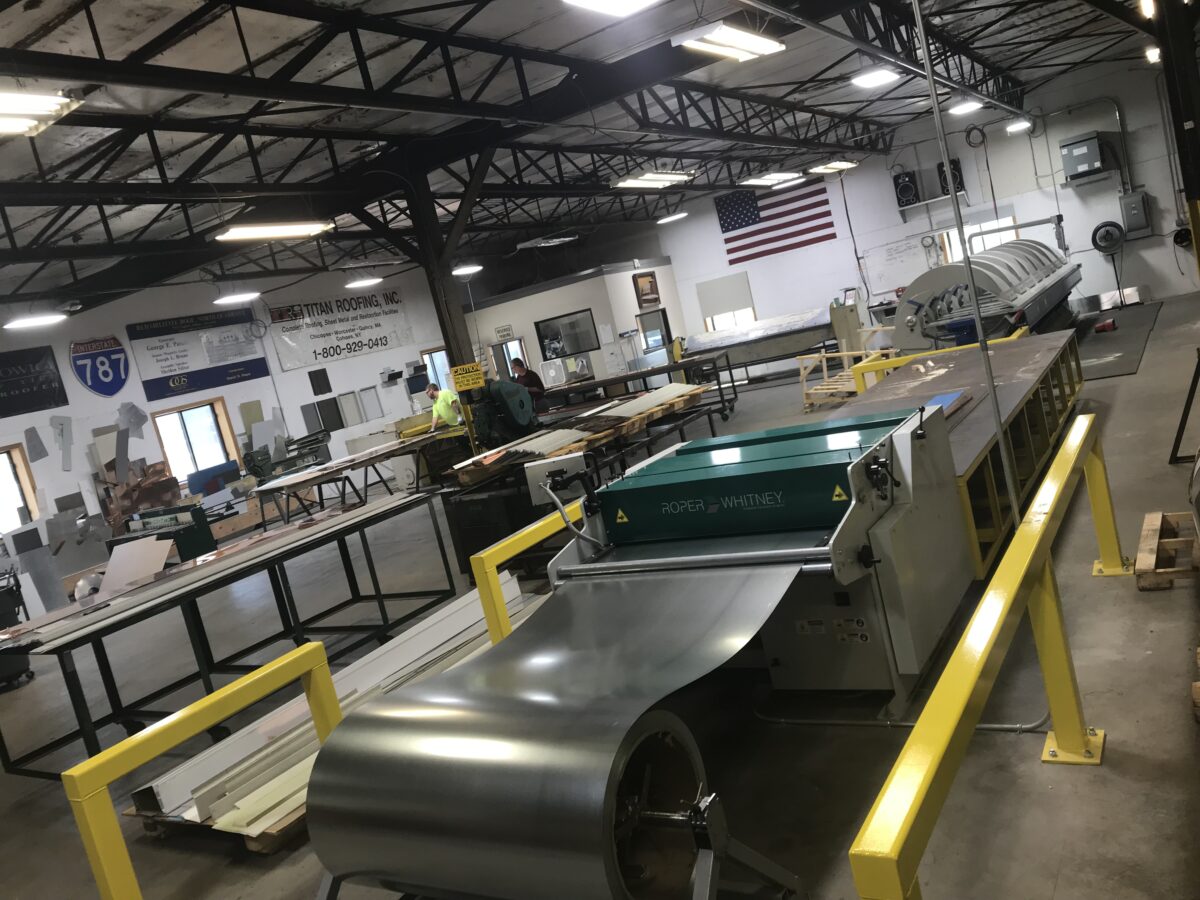
Data Center Roofing roof work starts with how the building operates, where crews can stage, and what must stay protected below the deck. We look at the roof surface, deck clues, membrane or panel condition, drainage, penetrations, edge metal, previous repairs, and the way the building is used before recommending a path.
Fresno roofs take hard summer sun, long dry stretches, valley dust, sudden rain, and tule fog moisture that can hide small openings until the next interior leak.
For this scope, the first useful answer is usually not a sales shortcut. It is a clear field record that shows what is active, what is aging, what can be repaired, and where another patch cycle would leave ownership exposed.
Material and method depend on the actual assembly. TPO, PVC, EPDM, modified bitumen, built-up roofing, silicone restoration, SPF, metal panels, tapered insulation, and edge-metal work all have a place, but only after the roof condition supports that choice.
The scope has to fit the workday below the roof. We account for loading areas, tenant entries, production schedules, school or healthcare traffic, restaurant grease lines, rooftop units, lift paths, interior protection, and daily dry-in before crews begin.
Closeout records matter after the roof work is done. Photos, notes, product information, open recommendations, and maintenance priorities give the owner a usable record instead of a vague memory of what was repaired.