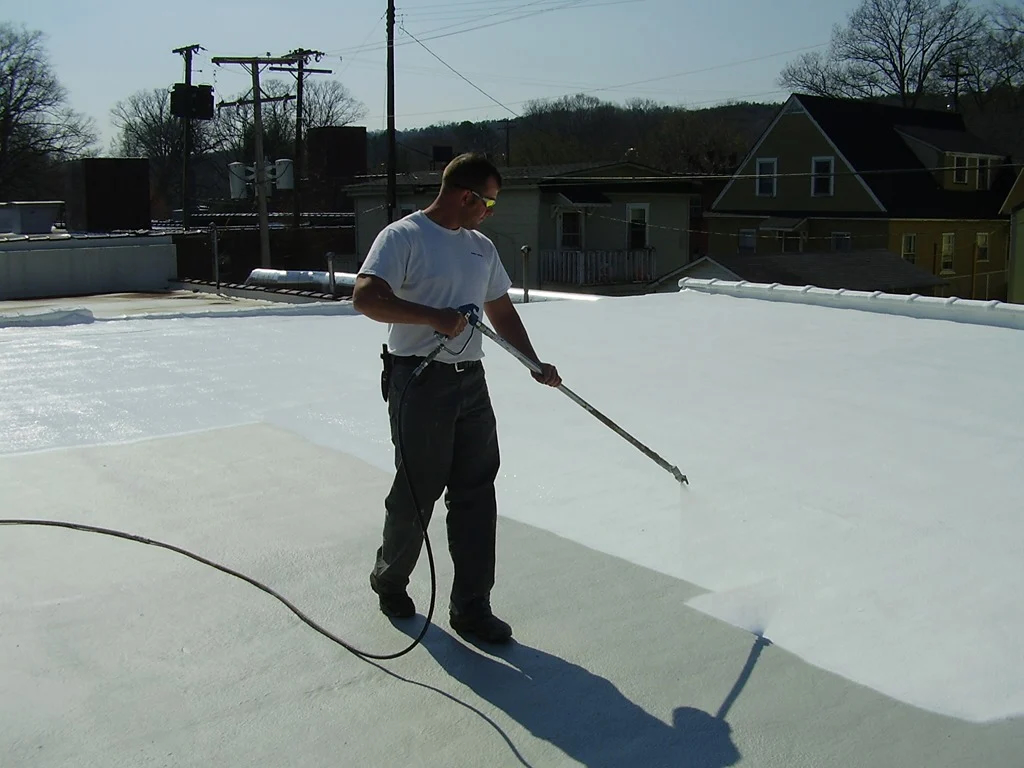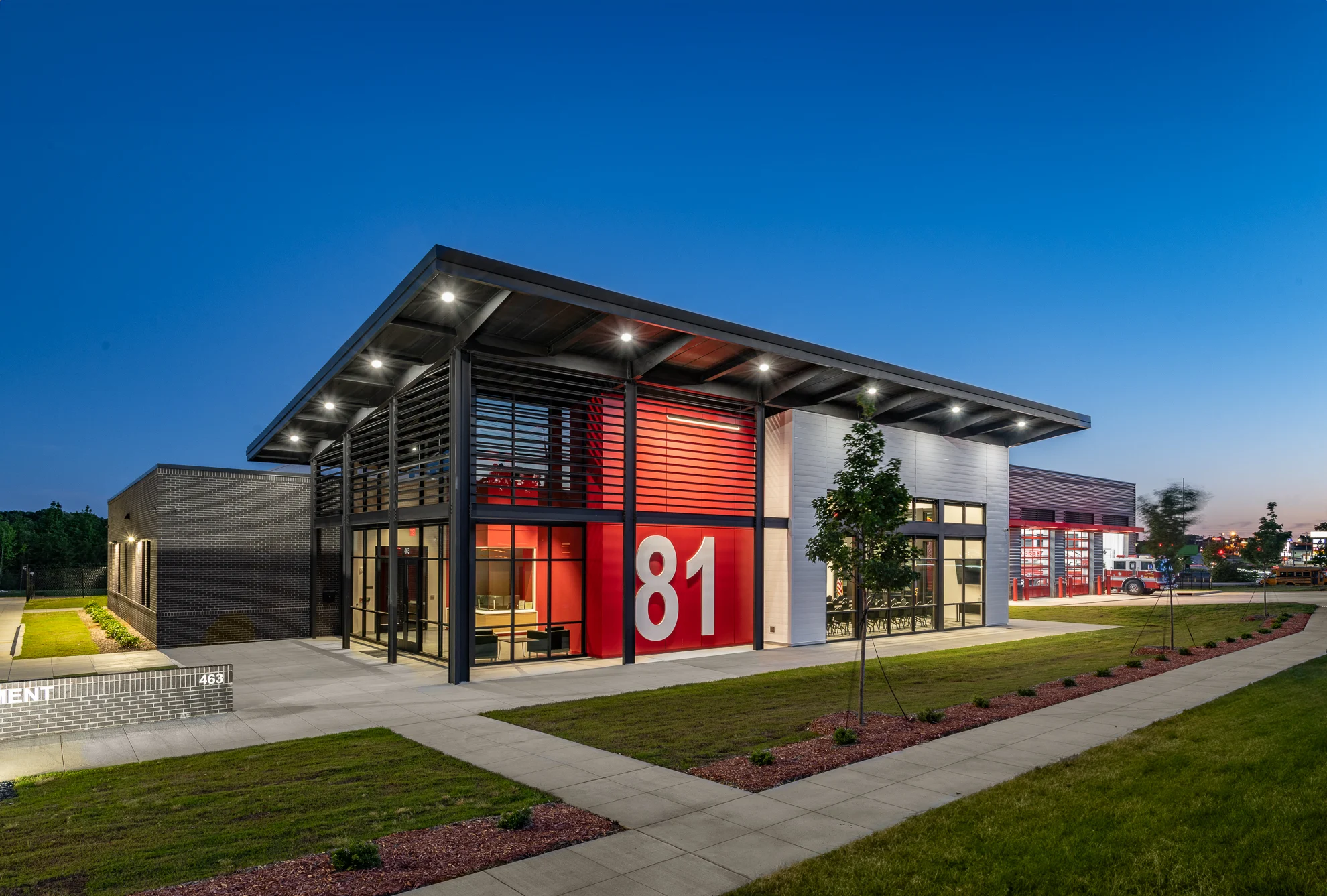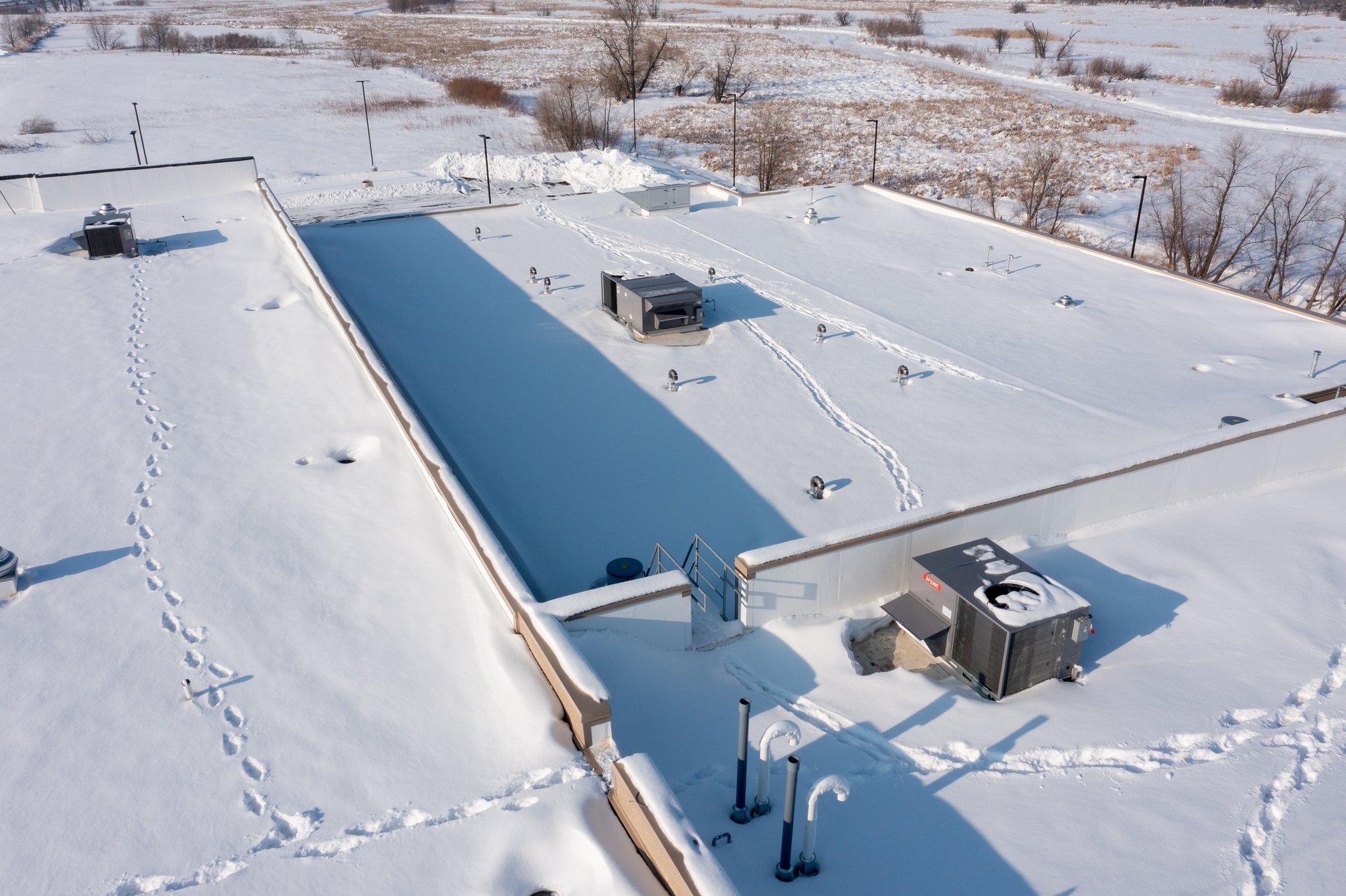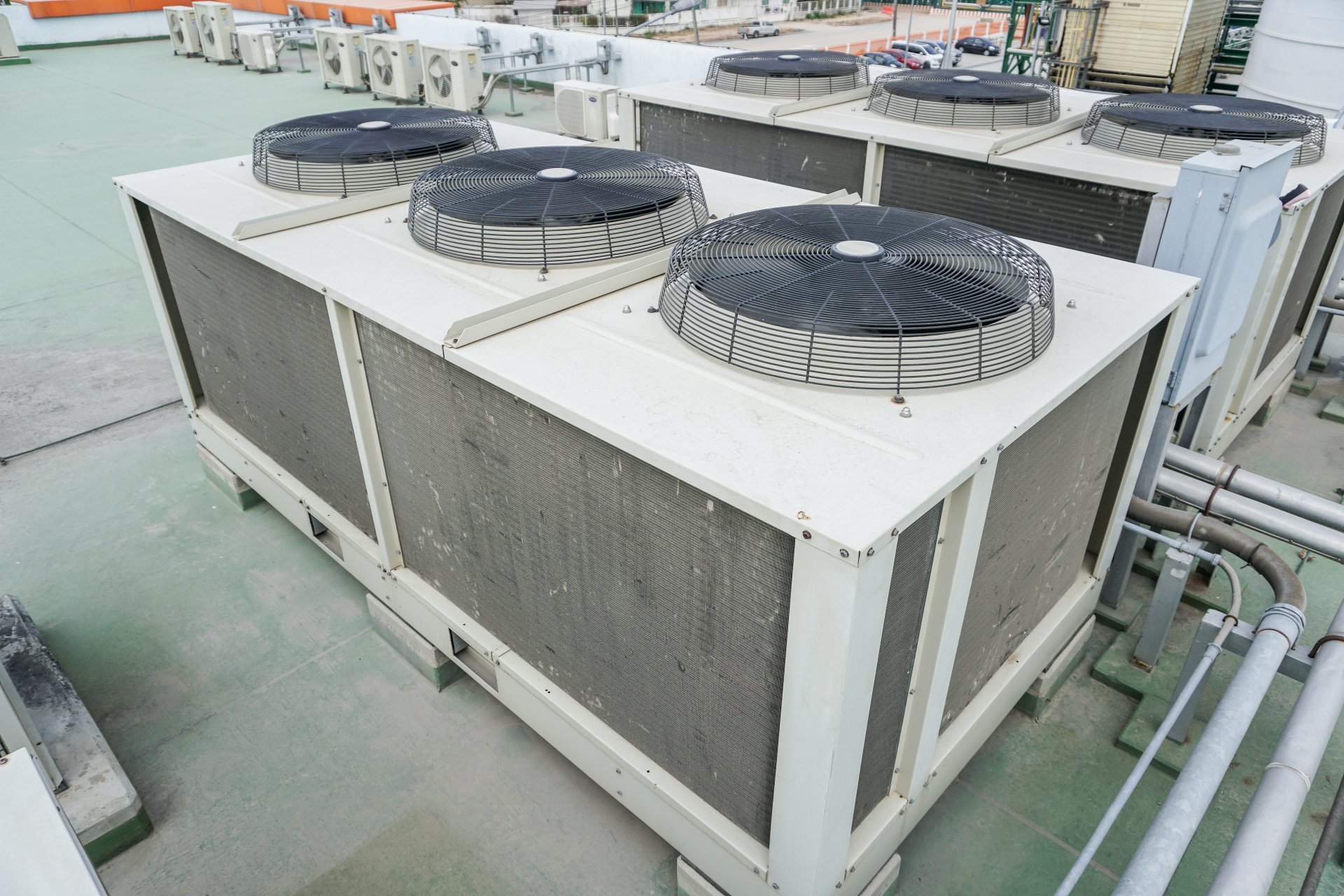
Quick-service restaurant re-roofing in Fresno operates at the intersection of building code compliance and health code compliance — two regulatory frameworks that most commercial roofing contractors navigate only the first of. The building permit process is standard commercial. The health department interface — confirming that construction activity near food preparation areas meets food safety standards, managing the notification and inspection sequence, and ensuring that re-roofing doesn't create a food safety compliance incident — is specific to food service facilities. We manage both compliance tracks on every QSR roofing project.
VOC compliance for QSR roofing in Fresno is enforced by the local air quality management district, and it intersects with the health code for food service operations. Solvent-based adhesives and primers used during roofing work generate VOC emissions that, if they infiltrate the restaurant's air handling system, can create a food safety violation. We monitor the application of any solvent-containing products relative to the restaurant's HVAC intake locations, schedule solvent applications during confirmed off-hours when the HVAC system can be temporarily operated in exhaust-only mode, and confirm re-occupancy timing with the restaurant manager before the HVAC system returns to normal operation.
Franchise brand code compliance adds a third regulatory layer for QSR roofing in Fresno. Many national QSR brands have corporate building standards that specify minimum insulation R-values, approved membrane systems, and construction documentation requirements. These brand standards may be more demanding than local building code minimums. For franchisees, compliance with brand standards is a condition of franchise agreement — not optional. We maintain current familiarity with the building standards of the major QSR brands operating in Fresno and ensure our proposals meet or exceed both local code and brand standard requirements.
QSR & Fast-Food Roofing — Compliance Questions
What health code compliance applies to QSR re-roofing construction?
Health departments in most jurisdictions require food service operators to notify the health authority before major construction that could affect food safety conditions. During construction, the facility must maintain barriers between work areas and food preparation areas, prevent construction dust and debris from entering food zones, and manage contractor traffic patterns to avoid cross-contamination. We include health code interface coordination in our pre-construction checklist for every QSR project — confirming the notification requirement with the Fresno health department before mobilization.
What VOC limits apply to roofing adhesives near a food service operation?
The applicable VOC limits are set by CA's air quality management district and enforced at the point of application. For roofing adhesives used near food service HVAC intakes, we apply the most restrictive VOC tier available — water-based adhesives where the substrate allows, low-VOC alternatives for applications requiring solvent-based chemistry. Chemical application logs documenting product identity, VOC content, and application quantity are included in the project closeout file as standard compliance documentation.
What fire code requirements apply to QSR roofing near commercial kitchen exhaust?
Commercial kitchen exhaust systems — particularly Type I hoods over grease-producing cooking equipment — must maintain fire code clearances from combustible materials. Roofing membrane that terminates too close to a Type I exhaust fan housing can create a fire code violation if the membrane is classified as combustible at the exhaust proximity distance required by NFPA 96. We confirm fire code clearances at all Type I exhaust penetrations during the pre-bid inspection and specify metal protection plates at any penetration that doesn't meet minimum clearance with the membrane termination at standard position.
Does the QSR re-roof require a structural letter for the building permit?
A structural letter confirming the new assembly load is within the existing deck capacity is required by some jurisdictions when the new assembly adds significant weight — typically more than 3 psf — over the existing assembly. QSR buildings are typically light commercial construction, and adding full insulation thickness may approach this threshold on the oldest structures. We confirm the requirement with the Fresno building department before permit application and obtain the structural letter when required. Submitting a permit application without a required structural letter delays the permit by 2-4 weeks.
What CA contractor licensing is required for QSR roofing?
CA requires a licensed roofing contractor for all commercial re-roofing projects above minimum contract value thresholds. The license holder must be named on the permit application and must supervise the work. For QSR chains with national preferred contractor programs, the local contractor performing the work must be the license holder of record — a national contractor cannot pull a local permit in CA without a CA-licensed affiliate. We hold a current CA roofing contractor license and are the license holder of record on all projects we perform in CA.