Roofing Multi-Tenant Flex Buildings in Fresno Where the Roof Plan Keeps Changing
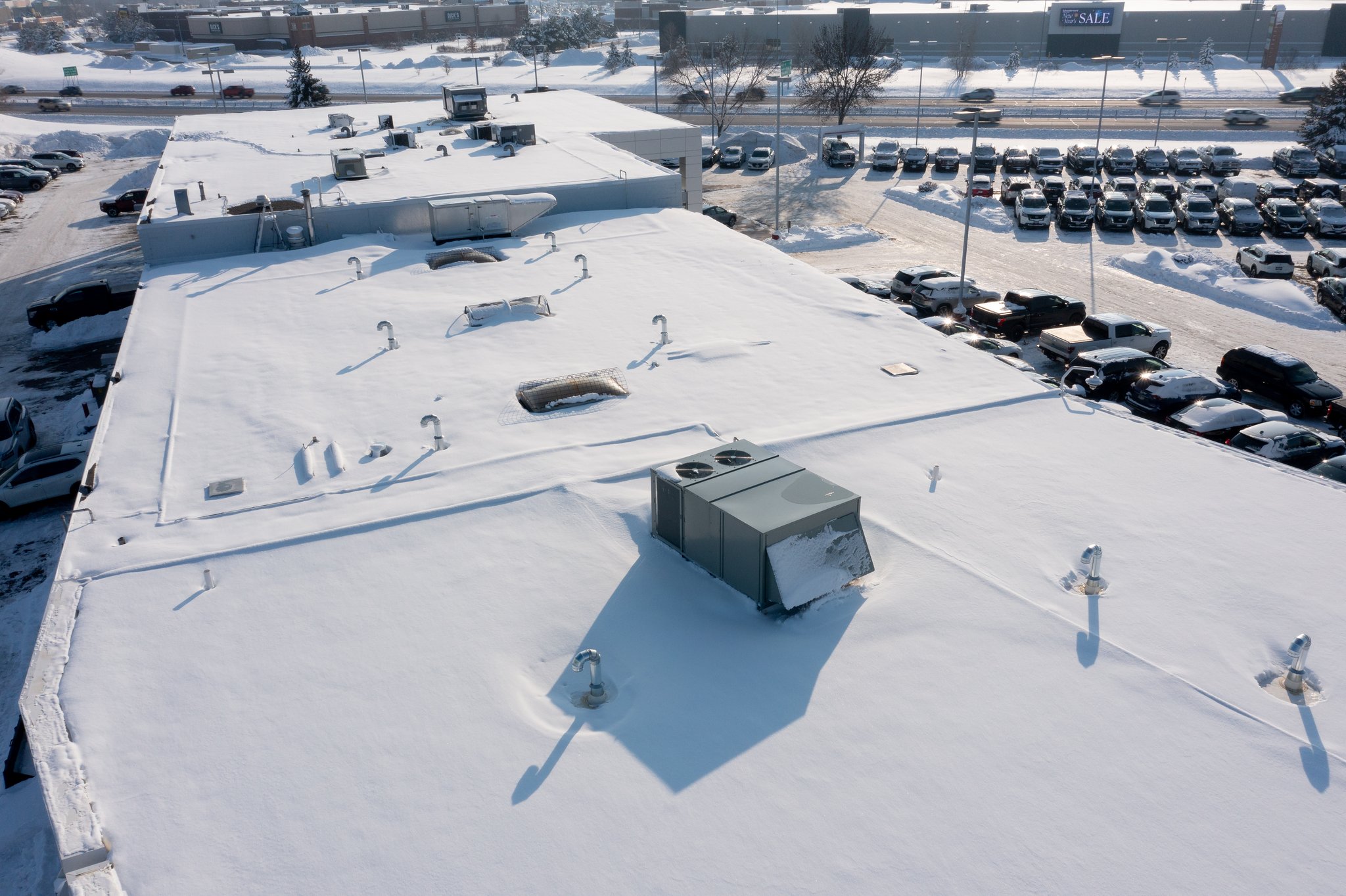
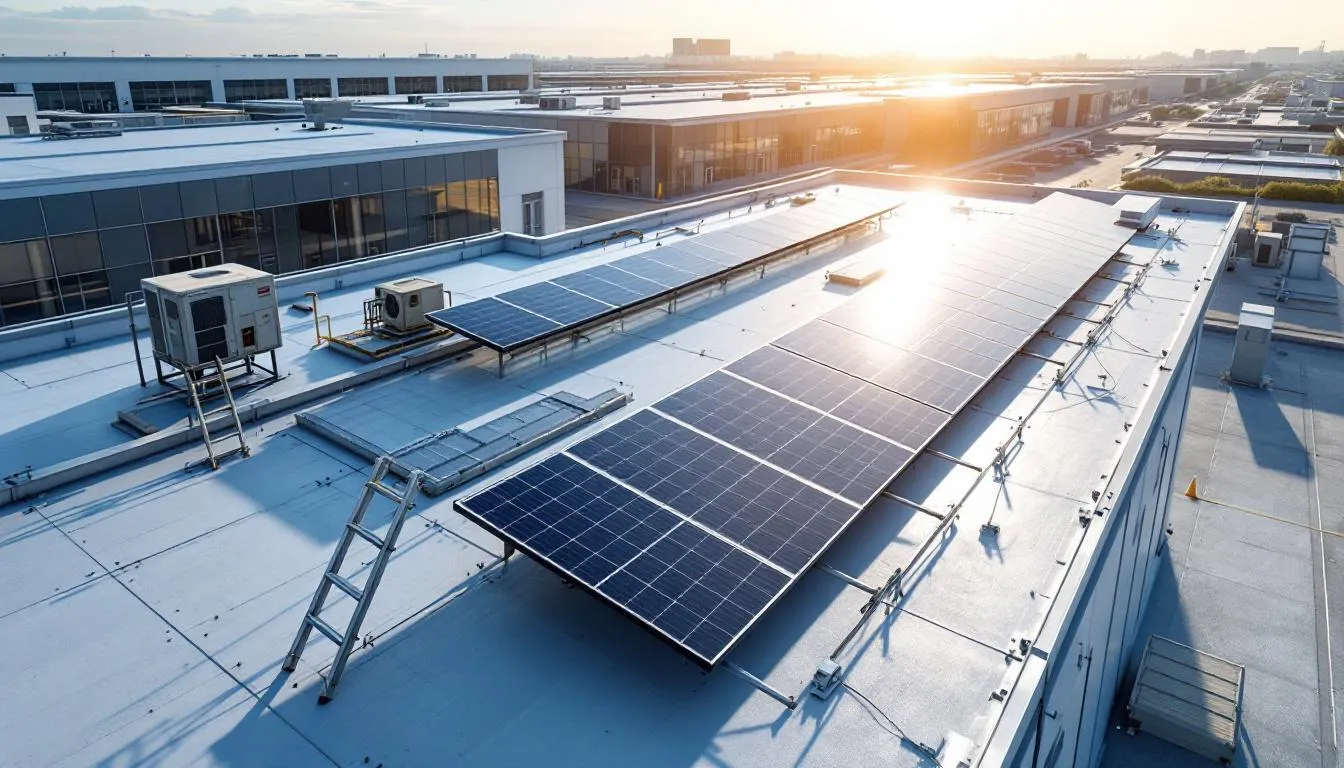
Industrial flex is the shape-shifter of the commercial inventory. One building might hold a light-manufacturing line, a distribution operation, a contractor's shop, and a small office tenant all at once, and those uses turn over across lease cycles. The roof has to perform through every one of those occupancy changes and every round of tenant improvements, which is why the defining roofing reality on a flex building is a low-slope deck carrying far more penetrations, and far more undocumented history, than a single-user warehouse ever does.
Fresno has a deep supply of exactly this building type. The multi-tenant industrial and flex product along the Ventura Avenue corridor, the business-park and light-industrial inventory through south Fresno near the Highway 99 freight spine, and a Central Valley logistics position served by Caltrans District 6 keep these buildings cycling tenants and uses. The Valley climate then bakes the membrane under hard summer sun and tests every one of those penetrations when winter rain arrives, so the seal around each curb and pipe matters more here than almost anywhere.
Many Penetrations and a Roof Full of Undocumented History
The challenges that separate flex roofing from single-user industrial work all trace back to tenancy.
- Penetration density. Each tenant adds rooftop HVAC, electrical, and process runs, so a flex roof accumulates curbs, pipes, and conduit far beyond the original design, and every one is a potential leak path.
- Undocumented tenant modifications. Improvements made across lease cycles are often missing from the property records, so we start every flex scope with a penetration survey that photographs and maps the roof and flags non-standard or poorly sealed penetrations before any new membrane goes down.
- Warranty coordination across modifications. Catching and correcting bad penetrations up front is what keeps the new system's warranty intact after tenants keep modifying the roof.
Membrane for Mixed Use and Mixed Decks
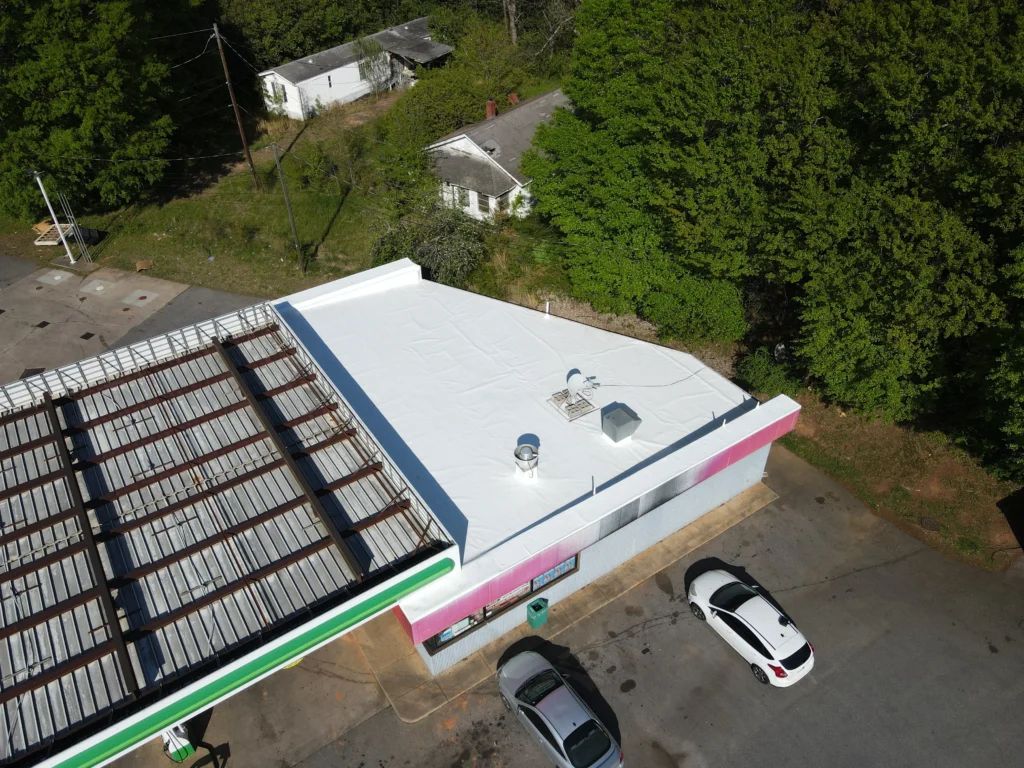
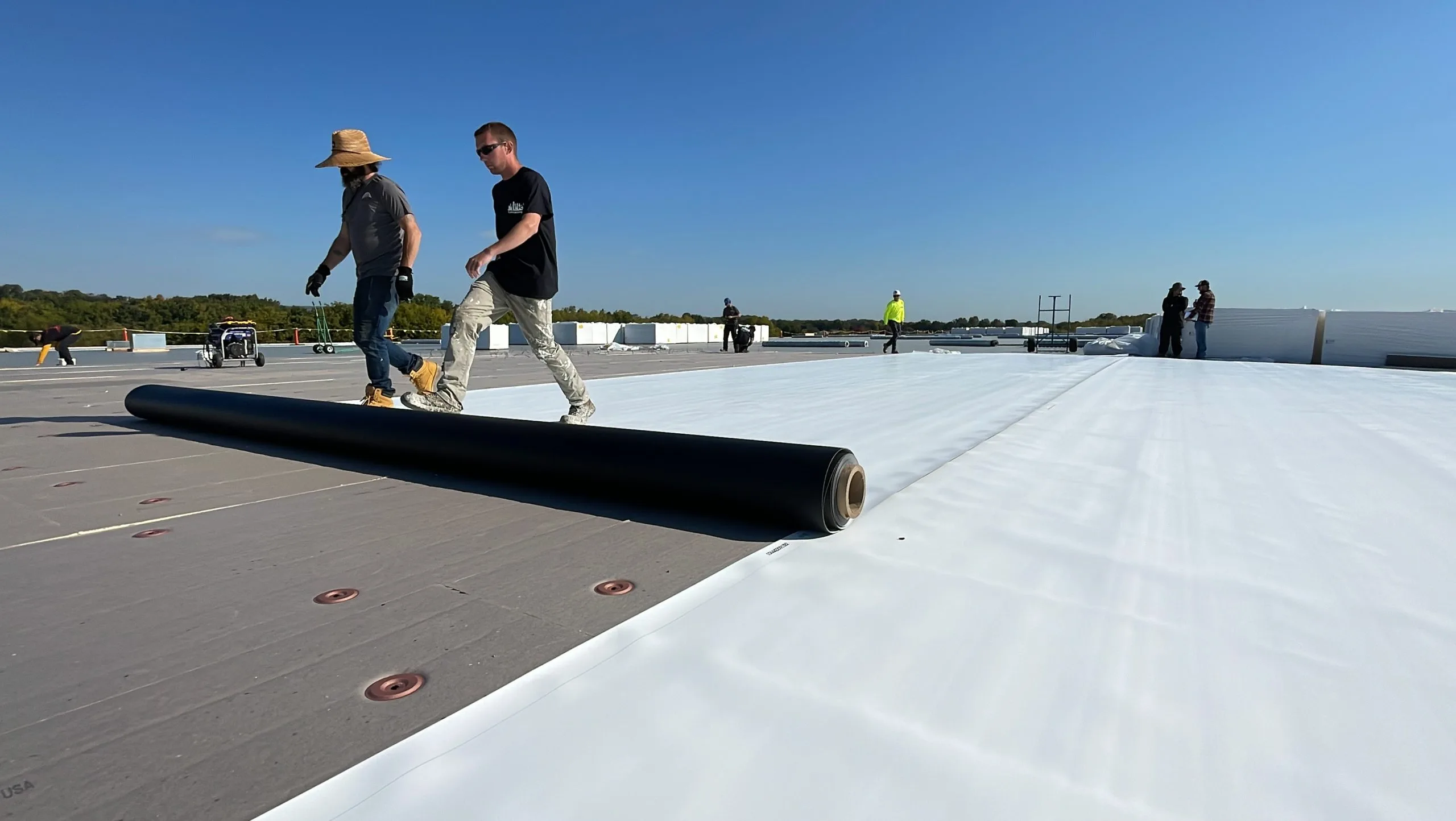
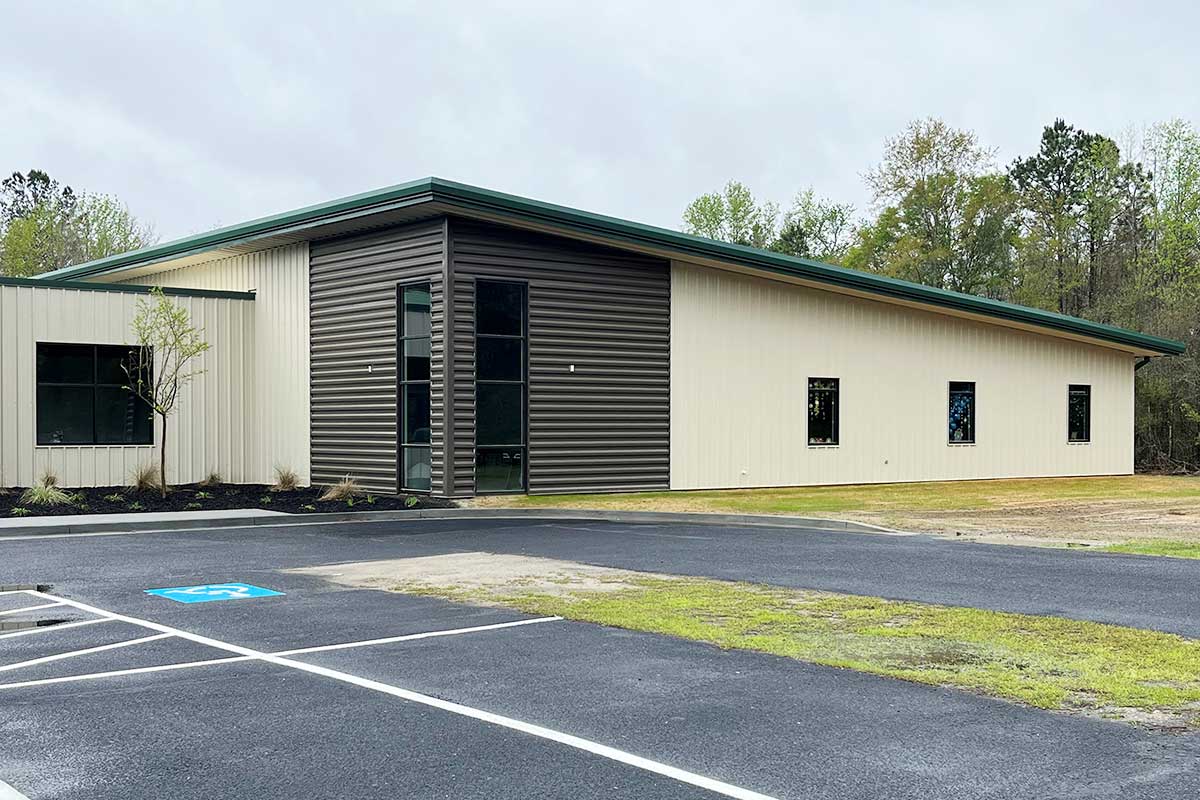
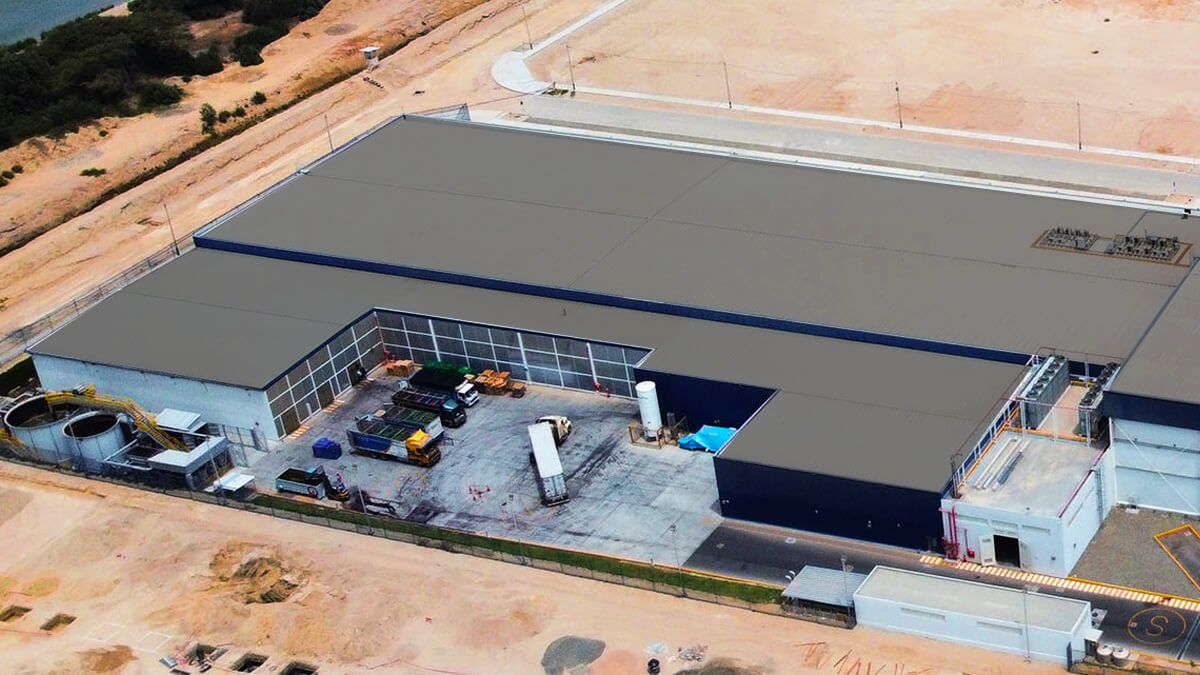
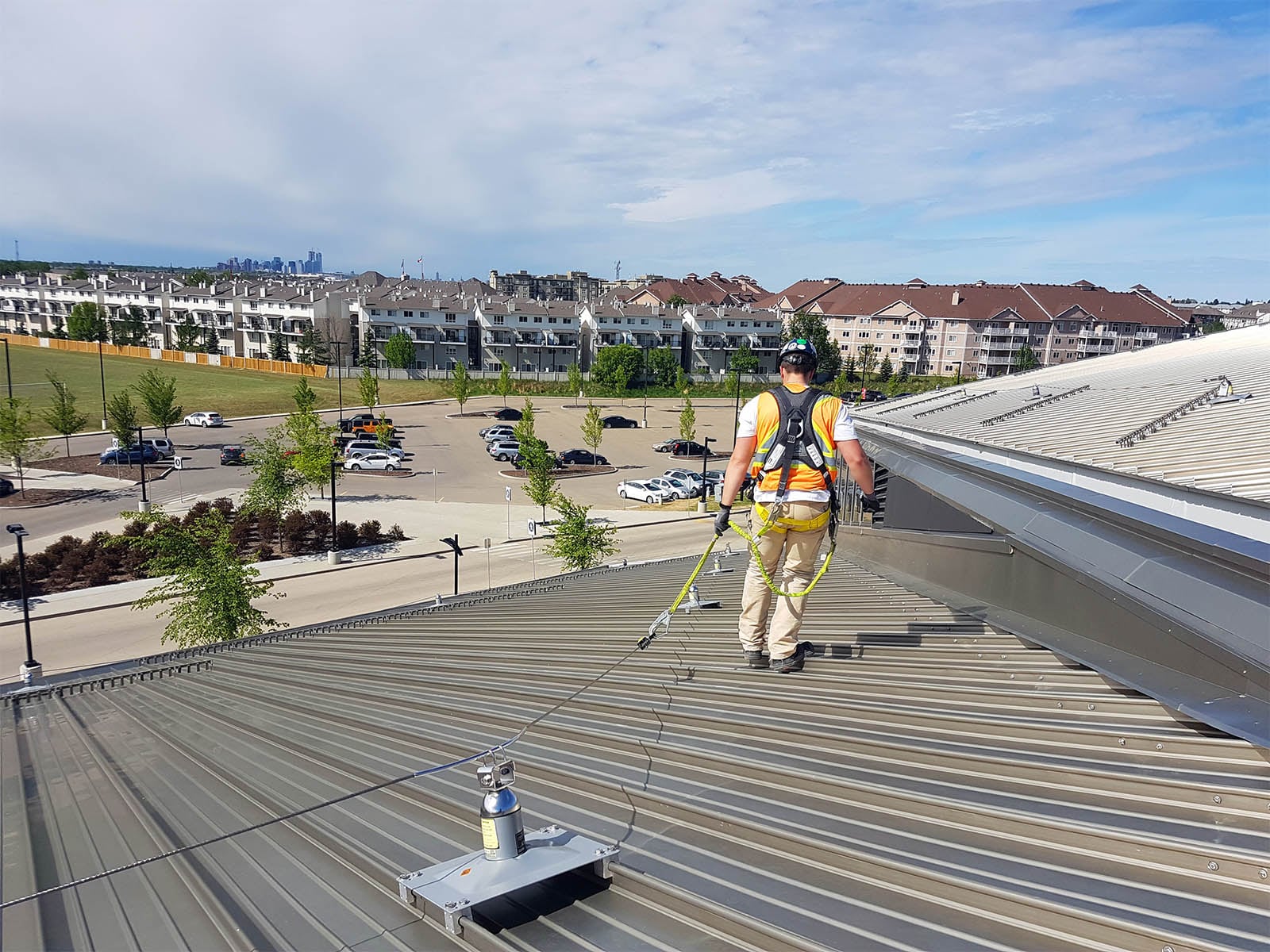
Fresno flex buildings run from 1970s tilt-wall with built-up roofing to modern pre-engineered metal buildings with standing-seam panels, and the spec follows the deck, the condition, and what the current tenants can tolerate for disruption. For tilt-wall and concrete flex, 60-mil TPO mechanically attached over tapered polyiso is the workhorse. Where rooftop equipment is dense or several tenants' service contractors are walking the roof, stepping up to 80-mil TPO or 60-mil PVC fully adhered buys real puncture and traffic resistance. Pre-engineered metal buildings often take a standing-seam recover or a coated-metal approach to extend service life without a full teardown.
Vacancy Transitions Are Where Flex Roofs Fail
The roofing risk that catches investors and property managers off guard shows up at lease turnover. When a tenant leaves and their HVAC units come off, the open curbs are often capped with temporary protection that fails within a rain event or two, and vacant bays collect debris faster than occupied ones and clog drains. Our inspections for buildings in transition confirm curb-cap status, verify that former-tenant penetrations are properly sealed, and check that drains are clear, so an empty bay does not quietly become the source of the next leak.
Coordinating Work Across Tenants
Multi-tenant work starts with a bay-by-bay occupancy map and a contact list from property management. We identify which bays have active rooftop equipment, which sit vacant, and which tenants are sensitive to noise or HVAC downtime, then sequence the work and daily dry-in through the property manager. Tenants get advance notice but communicate through management rather than directly with the crew, which keeps the schedule clean.
Phasing a Reroof Over Occupied Bays
A flex building rarely empties out for a reroof, so the work has to happen over running tenants. We phase the project bay by bay, completing and drying in one section before moving to the next, so no tenant is ever working under an open deck and no single rain event can reach the interior. Material staging and crane or hoist placement are planned around the parking and dock access each tenant needs to keep operating, and noisy tear-off near a tenant sensitive to it is scheduled into windows that property management clears in advance. The point is a reroof that the building barely feels, where leases keep running and the only sign of the project is a finished roof at the end of each phase.
Tilt-Wall Parapets and the Details That Leak First
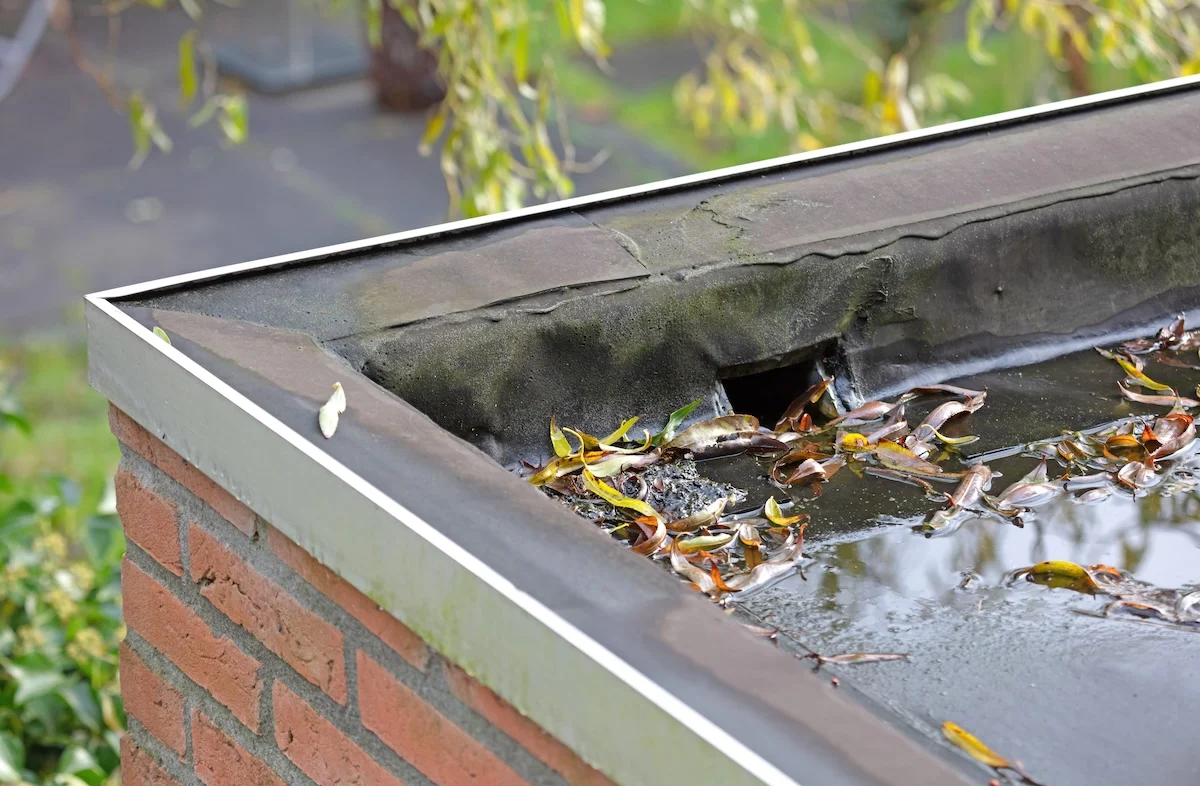
On Fresno's older tilt-wall flex buildings, the parapet walls and the wall-to-roof transitions are where leaks usually start, well before the field of the membrane gives out. Tilt-wall panels move with temperature, and the joints and counterflashing at the top of the wall open up over the years until water tracks behind the membrane termination. We treat the parapet detailing, the coping, and the through-wall scuppers as their own scope on every tilt-wall reroof, because a perfect membrane field still leaks if the wall transition above it is failing. Catching and rebuilding those details during the reroof is what keeps the warranty meaningful and keeps a tenant from chasing a phantom leak that the roof field never caused.
Pricing and Reporting for Portfolios
We price flex roofing by the roof square, based on membrane spec, existing assembly condition, penetration density, and bay configuration, with a fixed-price proposal after a roof walk and a core sample where needed. Investors running multiple flex properties get standardized condition reports they can use for capital planning across a portfolio, so reroof timing on one building can be weighed against the rest.
Industrial Flex Space Roofing Questions
How do you handle tenant-driven penetrations?
They are usually undocumented, so our pre-project survey photographs and maps every penetration, compares it to original drawings where available, and flags anything non-standard or poorly sealed for remediation before new membrane goes down. That prevents warranty disputes later.
What membrane is best for a multi-tenant flex building?
60-mil TPO mechanically attached over tapered polyiso is the cost-effective workhorse for tilt-wall and concrete flex. Where equipment density or multi-tenant service traffic is high, 80-mil TPO or 60-mil PVC fully adhered is worth the added puncture and traffic resistance.
How do you coordinate across tenants with different schedules?
We start with a bay-by-bay occupancy map and contact list from property management, identify active equipment, vacant bays, and noise-sensitive tenants, then sequence the work and daily dry-in through the property manager. Tenants get notice but communicate through management, not the crew.
How do you price flex roofing for investors?
By the roof square, based on membrane spec, assembly condition, penetration density, and bay configuration, with a fixed-price proposal after a roof walk and core sample where needed. Portfolio owners get standardized condition reports for capital planning across properties.
Do you handle standing-seam metal on pre-engineered flex buildings?
Yes. Metal recover systems, including silicone-coated metal and retrofit standing seam, are weighed against full tear-off based on panel condition, purlin spacing, and load capacity. We spec and install both approaches.
Get a Flex Roof Plan That Accounts for Every Penetration
We will survey your roof, map the tenant-driven modifications, check the vacant bays and drains, and deliver a phased plan and clear pricing keyed to how your Fresno flex building is actually occupied.