Mixed-Use Development Roofing in Fresno, CA
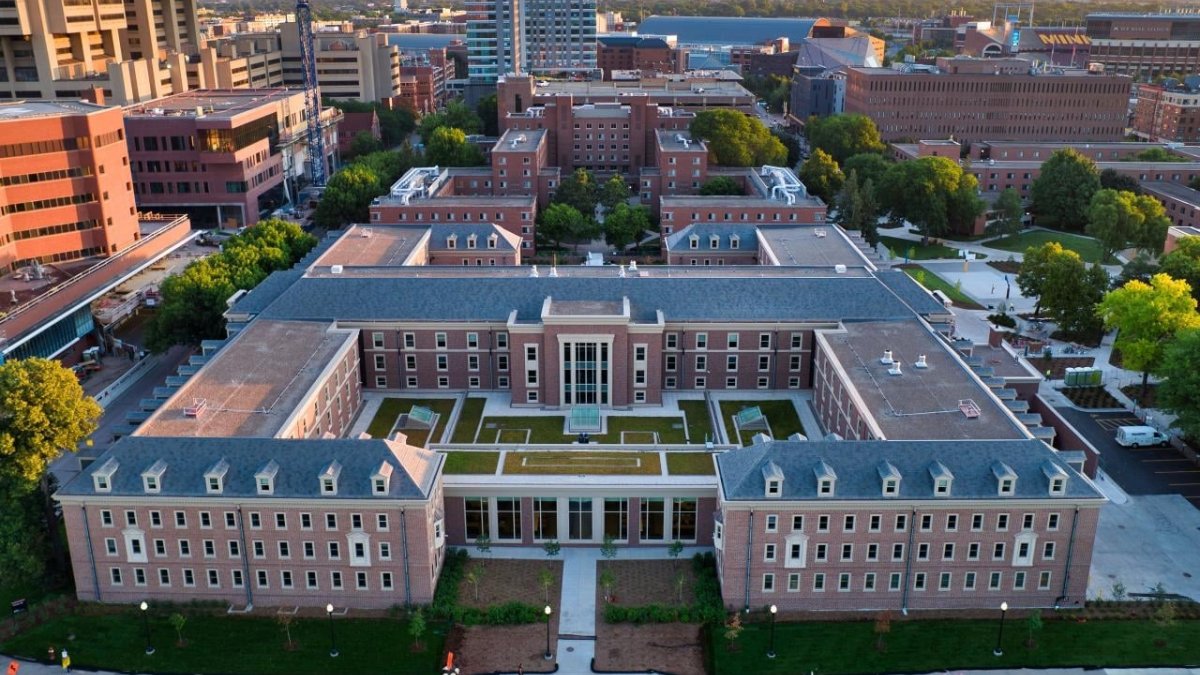
A mixed-use building is really several buildings stacked into one envelope, and the roofing scope has to respect that. Retail at street level keeps daytime hours and hates dust and noise; office floors above run a standard workday; residential units at the top are occupied around the clock; and a parking structure tucked into the base carries its own deck waterproofing and drainage. Treat all of that as one flat plane and you get callbacks. We scope mixed-use roofing in Fresno by mapping the uses vertically first, then matching each roof and deck area to the right assembly and the right warranty. Fresno has leaned hard into this product type as downtown revitalizes around the Fulton Street corridor and the high-speed-rail station district takes shape, and you see it again in infill projects near the Tower District and along the Shaw and Blackstone corridors where retail, apartments, and offices share a single structure.
Podium decks are waterproofing, not roofing
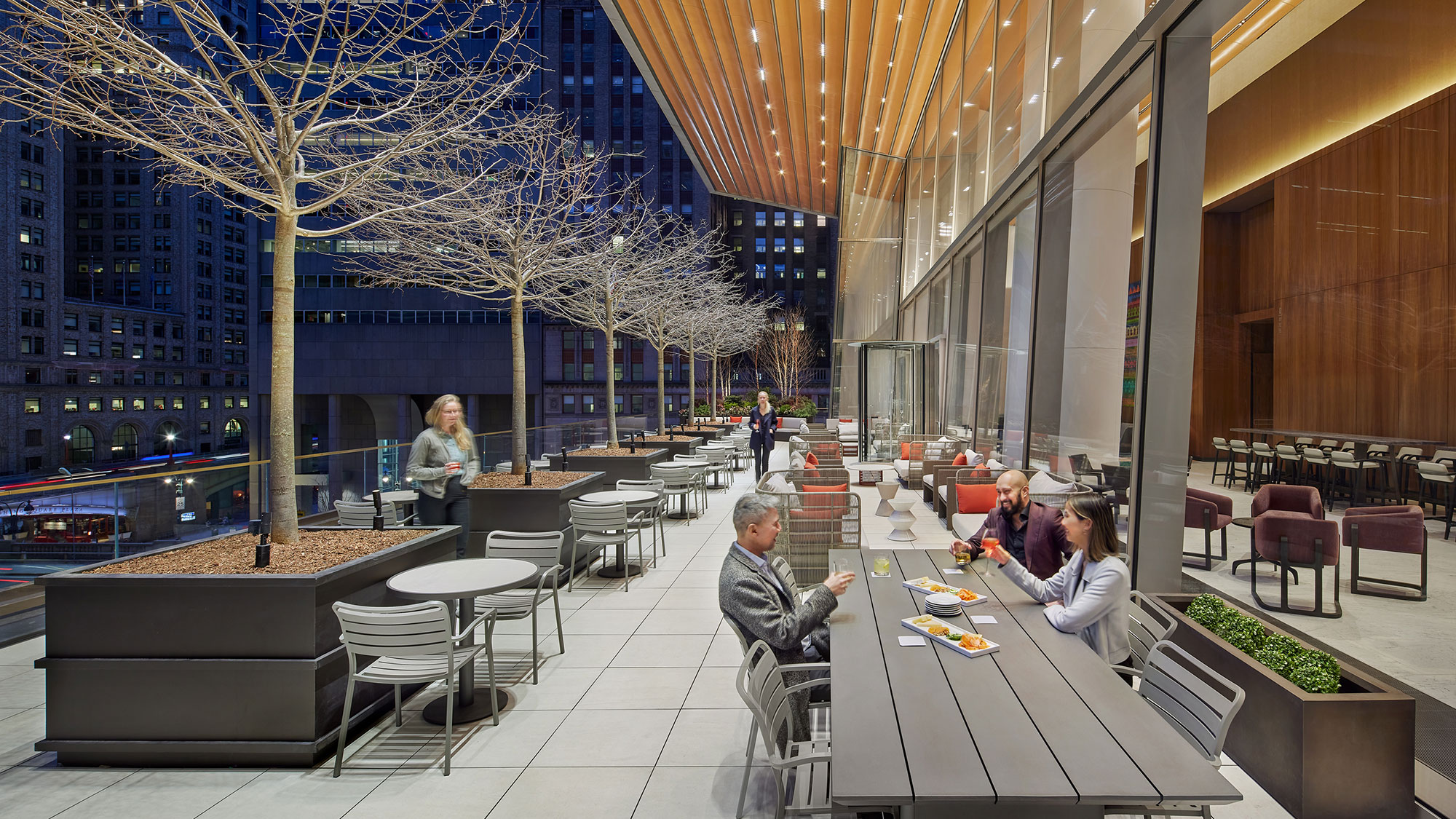
The most expensive mistake on a mixed-use building is treating a podium deck like a roof. The podium is the slab between parking or retail at grade and occupied space above, and when there is a plaza, courtyard, or landscaped amenity on top of it, it needs a traffic-bearing waterproofing assembly — drainage composite, root barrier where there are planters, and a membrane rated for foot or even vehicle loads — coordinated with the structural engineer on the insulation load path. A standard single-ply roofing membrane laid on a plaza deck typically fails within a few years because it was never designed for hydrostatic pressure, root intrusion, or traffic. We keep the podium scope and the field-roof scope distinct from the first conversation so the right system lands in the right place.
Up top, residential and office roofs bring their own list: parapet drainage on taller structures, mechanical penthouse and elevator-overrun flash-throughs, and rooftop amenity decks that, like podiums, want a traffic-bearing assembly under the finish surface rather than a bare membrane. Each of these is a discrete detail, and on a building with this many transitions, the details are where the leaks live.
The Fresno realities that drive the scope
Three local factors shape how we plan this work. First, the units below are occupied — apartment residents, ground-floor restaurants and shops, and office tenants are all living and working under the roof while we replace it, so phasing, daily dry-in, and dust and noise control are non-negotiable. Second, downtown and infill sites are tight, with limited staging room and adjacent occupied buildings, which governs crane picks, material storage, and crew access. Third, the Central Valley climate stresses these assemblies in two directions: months of intense summer heat drive thermal movement that opens seams and stresses the dissimilar-material transitions a mixed-use roof is full of, and the concentrated winter rain season tests every drain, scupper, and podium connection at once. A podium that sheds water fine in July is the one that finds the parking deck below it in January if the drainage was never corrected.
Coordinating warranties and the project team
Mixed-use roofing rarely involves a single decision-maker. There is usually a general contractor, MEP subs, a structural engineer, and often a building-envelope consultant, plus an owner or developer and a lender who want documentation. We work inside that framework — manufacturer-approved submittals, mock-up testing before full installation, QC inspection reports, manufacturer rep visits at critical phases, and NDL warranty registration at closeout. Just as important, we coordinate warranties across the different roof and deck systems so the podium assembly, the field membrane, and the amenity-deck waterproofing don't end up with overlapping or conflicting coverage that leaves a seam between them uncovered. On occupied renovations we do not demobilize at the end of any day unless the work area is watertight, and building management and affected tenants get advance notice of what's happening above them.
Mixed-Use Development Roofing Questions
What's the difference between roofing and waterproofing on a podium deck?
Roofing membranes are built for low-slope drainage and occasional maintenance foot traffic. Podium waterproofing has to handle structural deflection, root intrusion from landscaping, constant hydrostatic pressure in planters, and pedestrian or vehicle loads. Putting a standard roofing membrane on a plaza or amenity deck is the wrong specification and usually fails within a few years.
How do you coordinate roofing work over occupied residential and retail floors?
With a detailed phasing plan that sequences work to limit impact on residents and shops below. Noise, vibration, and dust containment are planned before mobilization, daily dry-in is confirmed in writing, and common-area and elevator access is coordinated with building management so tenants aren't disrupted.
Do you handle rooftop amenity decks on mixed-use buildings?
Yes. Amenity decks need a traffic-bearing waterproofing assembly under the finish surface, not a standard membrane. We specify, install, and warranty those assemblies in coordination with the deck-finish contractor and the structural engineer of record.
What documentation do developers and lenders typically require?
Usually architect-reviewed submittals, manufacturer technical approval of the system, mock-up testing before full installation, QC inspection reports, manufacturer rep inspections at critical phases, and NDL warranty registration at closeout. We work within the project's submittal and QC framework from preconstruction through final inspection.
How do you keep warranties from conflicting across different roof systems?
We map every roof and deck area to its system up front and register coverage so the podium assembly, the field membrane, and any amenity-deck waterproofing align at their transitions. That prevents the gap where two warranties meet and neither one actually covers the seam between them.
Do you waterproof the integrated parking structure as part of the project?
When a parking deck is built into the base of the building, its top level is a traffic-bearing waterproofing problem, not a roofing one — it carries vehicle loads, expansion-joint movement, and drainage that ties directly into the structure below. We scope it as its own assembly with a traffic-rated membrane and proper joint detailing, coordinated with the field-roof and podium scopes so the whole envelope sheds water as one system rather than three disconnected pieces.
How do you sequence work across retail, office, and residential at the same time?
Each use gets a window that fits its hours. Loud tear-off over ground-floor restaurants and shops is timed around their service, work over office floors fits the standard workday, and work over occupied apartments is sequenced and noticed in advance because residents are home around the clock. We publish a daily plan to building management, confirm watertight dry-in before each day ends, and keep staging and access routes from disrupting any one tenant type more than the others.
Get a Fresno commercial roof scope you can act on.
Whether you're building a new mixed-use tower downtown or reroofing an occupied retail-and-residential block, we'll separate the podium, field, and amenity-deck scopes, coordinate with your project team, and give you a phased plan that keeps your tenants in place and your warranties clean.