A Faster, Safer Way to Read a Big Flat Roof
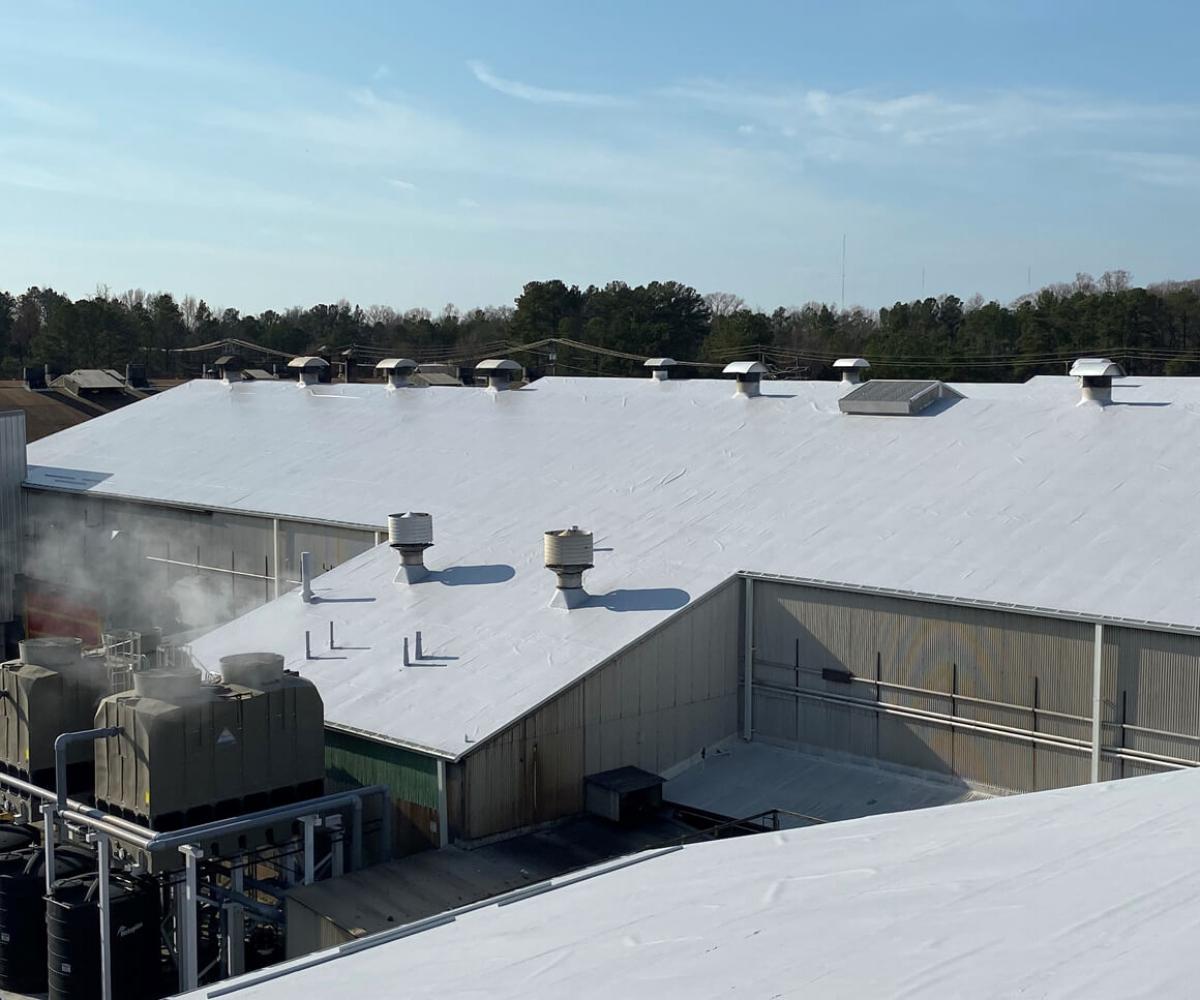
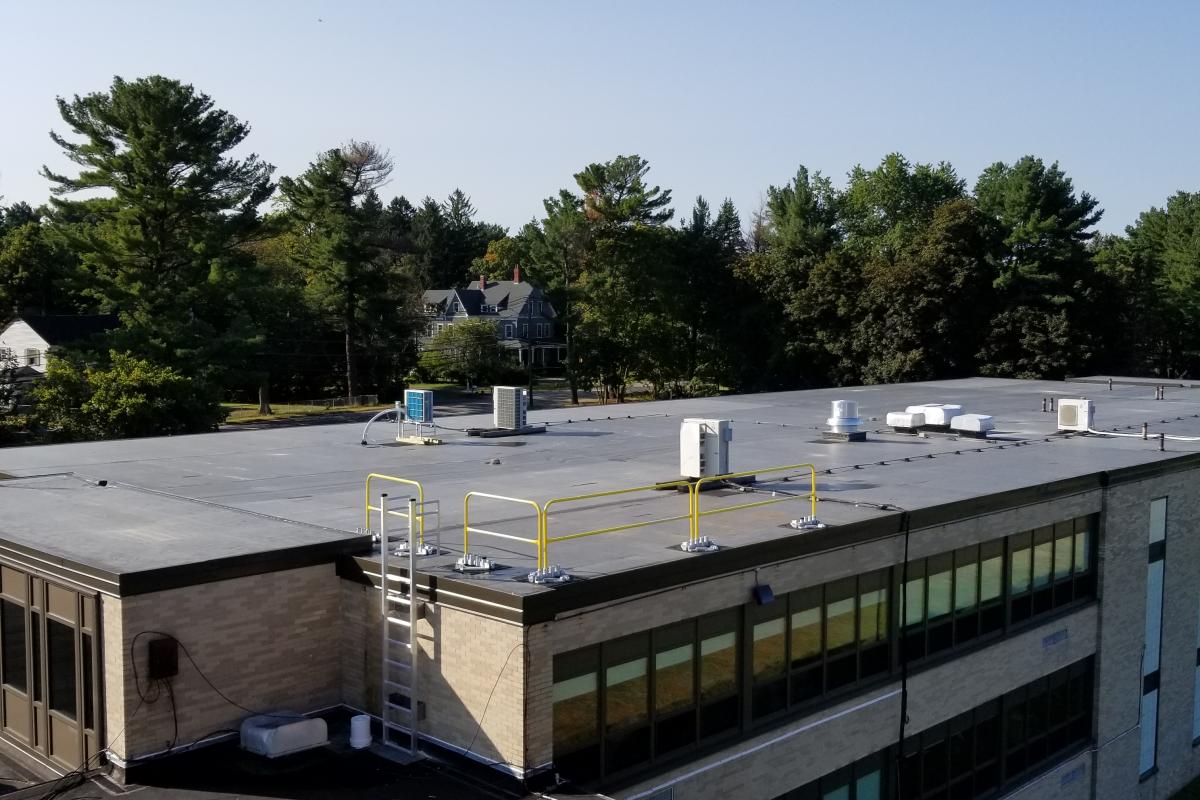
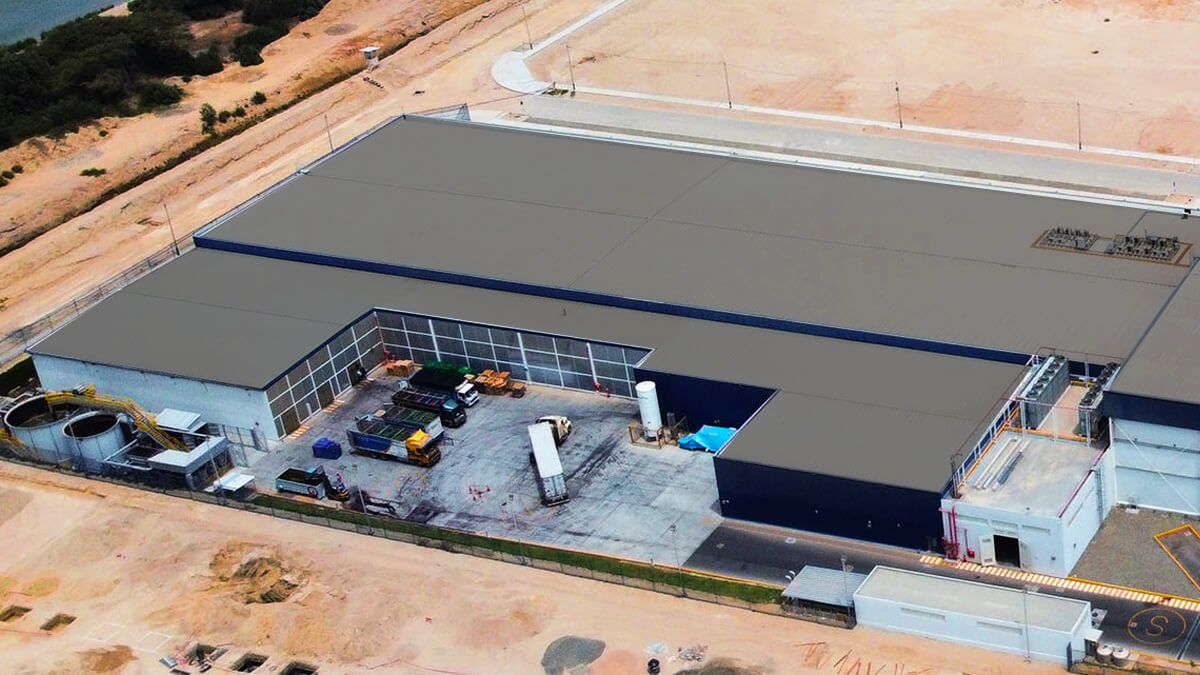
The worst problems on a low-slope commercial roof almost never show themselves to someone standing on it. A produce-handling building southwest of downtown can carry two or three acres of membrane, and walking every foot of it eats a full day, puts a crew on the very surface whose soundness is in question, and still misses what counts. We answer those roofs from the air. A drone carrying a sharp visual camera and a radiometric thermal sensor sweeps the whole field in a sliver of the time, records every drain sump, seam, curb, and parapet on the pass, and leaves no footprints on a membrane that may already be giving up.
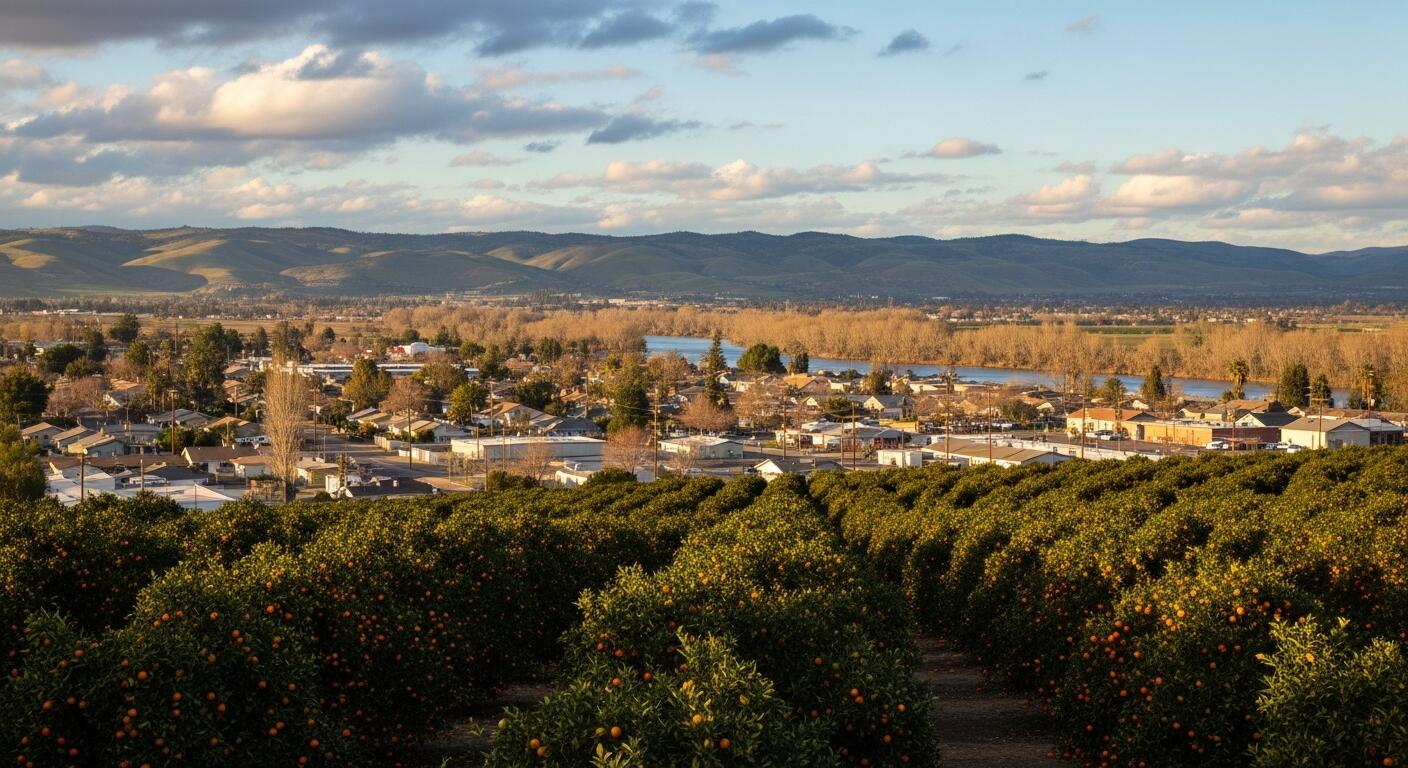
That reach pays off across Fresno's flat-roof stock. We fly the logistics buildings out by the airport and along Cherry Avenue, the retail rooftops around River Park and the Fashion Fair district, the apartment communities stacked up the Blackstone Avenue corridor, and the older brick-and-bar-joist buildings in the southwest where the only roof access is a rickety ship's ladder. On every one of them the camera answers questions a walkover simply cannot.
Infrared Shows the Water Hiding in the Insulation
The single most useful thing one of our flights produces is a moisture map of the insulation under the membrane, and the principle behind it is simple thermodynamics. Insulation that has taken on water stores the day's heat longer than the dry board around it. Once the sun drops and the roof starts shedding heat, the wet zones still glow on the infrared sensor while the dry field goes cold, and the camera traces a hard outline around exactly where moisture is trapped in the assembly, even when the membrane overhead looks flawless.
That one finding decides the most costly call an owner faces on an aging roof. A handful of isolated wet pockets points toward targeted repair or a recover. A roof that lights up edge to edge has saturated insulation throughout and needs a full tear-off, because no coating or overlay dries out soaked board, it only seals the water in to keep eating the deck from below. We run the thermal sweep inside the correct evening cool-down window so the contrast is genuine and the map is something a roofer can write a scope against, not a guess.
- We pinpoint where water actually entered the assembly, which is rarely above the spot where it drips inside the building.
- We measure how much of the field is wet, turning repair-versus-replace into a documented decision instead of an argument.
- We flag saturated insulation before it spreads into deck corrosion or interior mold and a roofing project becomes a structural one.
We Fly Legal, and We Fly in Tight Airspace
Commercial drone work is regulated, and we operate under the FAA Part 107 rules for small unmanned aircraft: a certificated remote pilot in command, an airspace check before every launch, and authorization wherever the airspace requires it. That last point is not academic in this city. A large share of the Fresno area sits under the controlled airspace tied to Fresno Yosemite International Airport, with Fresno Chandler Executive Airport adding another shelf over the southwest, so flights in those rings need clearance through the FAA's authorization system before the aircraft leaves the deck. We pull that clearance, hold visual line of sight, keep the craft clear of people on the ground, and log the flight so the inspection stands up if anyone ever questions it.
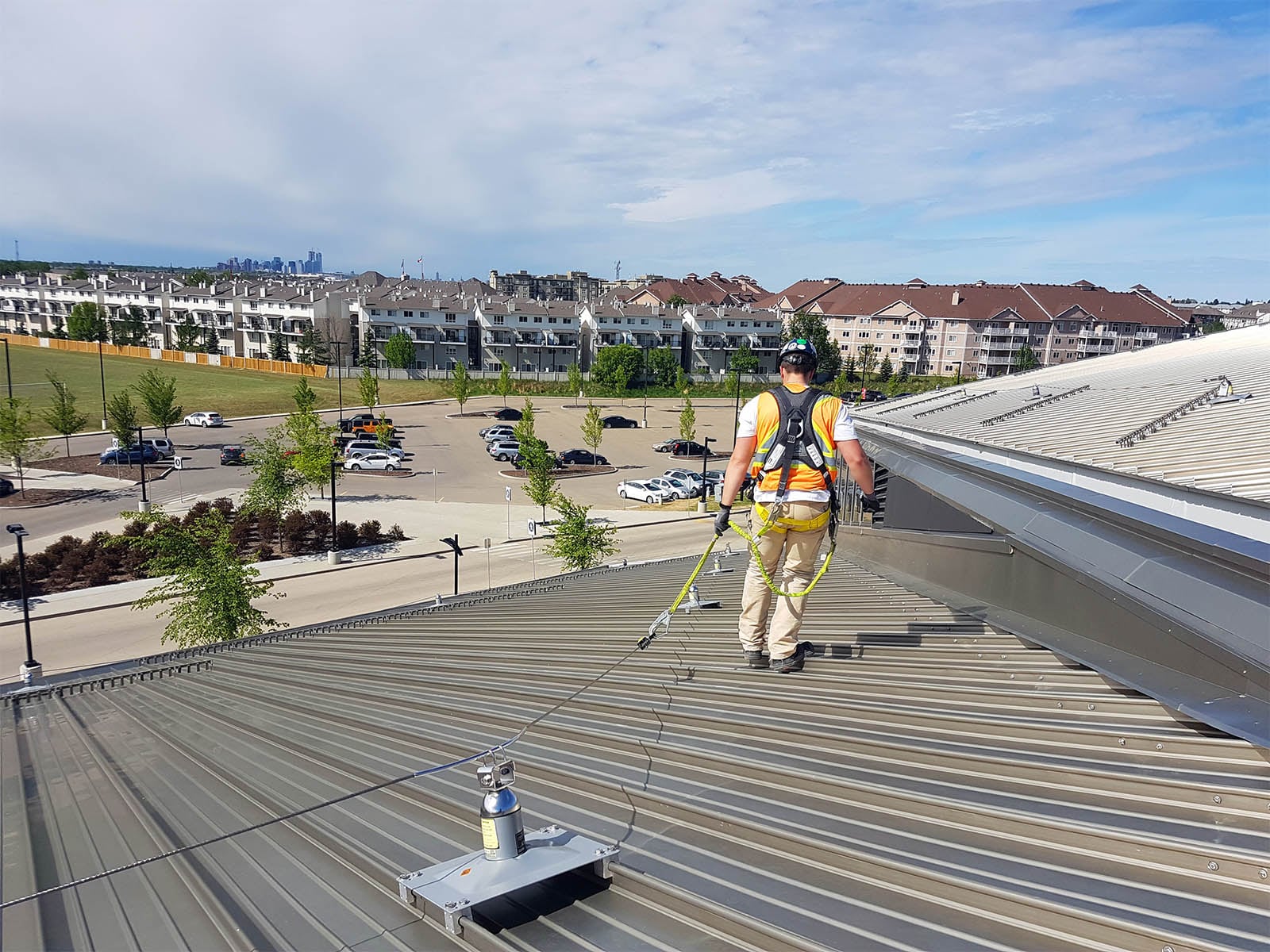
The other safety win is on the ground. Nobody has to climb onto a slick, ponded, or structurally suspect roof to gather the data, which strips out the fall exposure that is the leading hazard in roof inspection. On an occupied building, tenants keep working below while we cover the roof from overhead with no ladders staged, no hatches propped open, and no equipment blocking the lot.
Reports Your Adjuster and Your Board Can Stand Behind
After a storm tears through the valley, the fight is over what the wind or hail actually did, and an insurance adjuster wants proof, not claims. Our aerial inspections produce GPS-tagged imagery that pins every frame to a precise location on the roof, so damage can be reviewed remotely and checked against the claim. We document hail-impact density, wind-lifted or displaced membrane, and harm to rooftop units and flashings, then assemble it into a package formatted for commercial property carriers. When a real weather event hits, we move these flights to the front of the line and turn a claim file around fast while the evidence is still fresh.
The same record works just as hard with no claim in sight. For a property manager spreading capital across a portfolio along Shaw or Herndon Avenue, or a multifamily owner setting reserves, an annual or semi-annual aerial baseline shows how each roof shifts year over year and lets a small seam failure get scheduled out before it becomes an interior loss.
Tighter Reroof Bids and Far Fewer Change Orders
Before we or anyone else prices a reroof, a flight nails down the real numbers. We confirm the true roof area, locate and count every penetration, curb, and drain, and document the existing conditions for the specification. When the bid set reflects what is genuinely up there instead of guesses from a hurried walk, the requests for information and mid-construction change orders that bloat a project largely evaporate, and competing bids finally line up on equal footing.
What Happens When You Call
How is this different from a normal roof inspection? A walkover is fine on a small or steep roof a person clears quickly. On a wide low-slope commercial roof it is slow, partial, and adds foot traffic, and it cannot produce a thermal moisture map at all, because that takes the systematic, even coverage only a flight delivers.
How big does the roof need to be for this to be worth it? Aerial inspection earns its keep on flat commercial roofs above roughly ten thousand square feet: distribution and industrial buildings, shopping centers, office complexes, and multi-building campuses where covering the whole site on foot is impractical.
How soon can you get here? Routine inspections around Fresno usually book within a few business days. Post-storm claim flights jump the queue and often happen within a day or two of the weather, weather and any required airspace clearance permitting.
If you run a large roof anywhere in the Fresno area and you are done paying for inspections that miss what matters, call us. We will fly it, map the moisture, and hand you documentation solid enough to build a decision on.