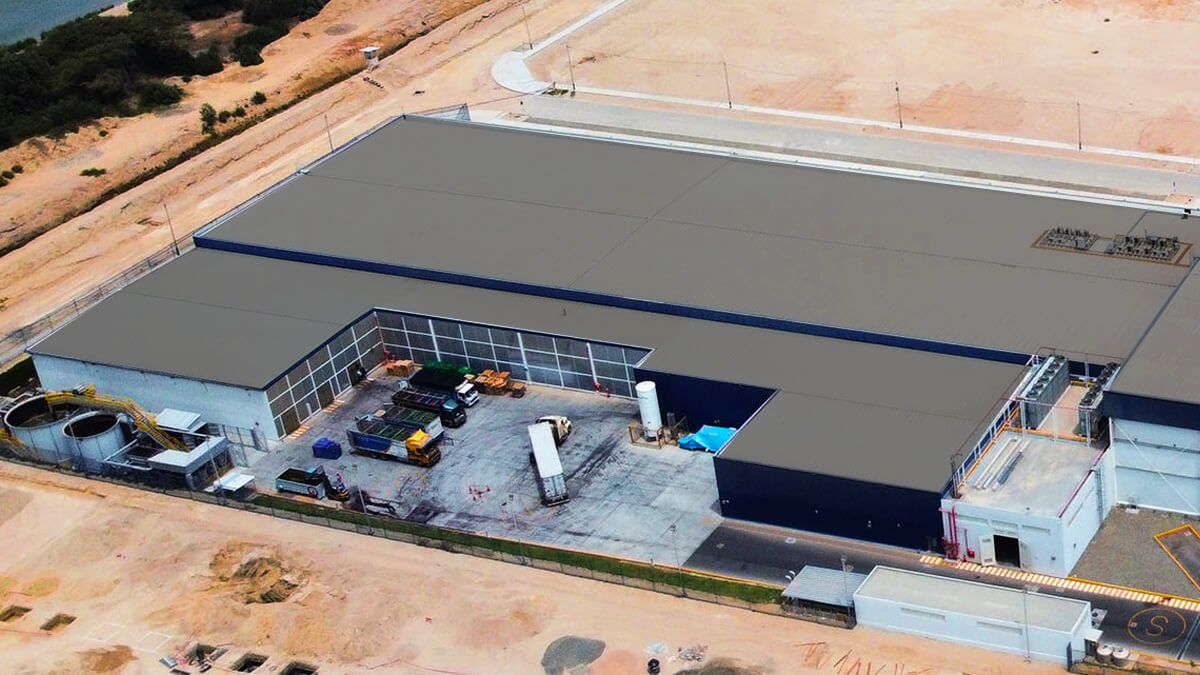
Sun-Maid Growers of California has operated its Fresno processing facility for over a century, and the industrial roofing demands of a large-scale food production plant in California's Central Valley present a combination of challenges that most commercial roofing contractors never encounter. From the heavy processing equipment mounted at rooftop level to the strict drainage regulations enforced by California's Regional Water Quality Control Board, a Fresno manufacturer requires a contractor who understands the intersection of operational continuity, chemical compatibility, and state environmental compliance.
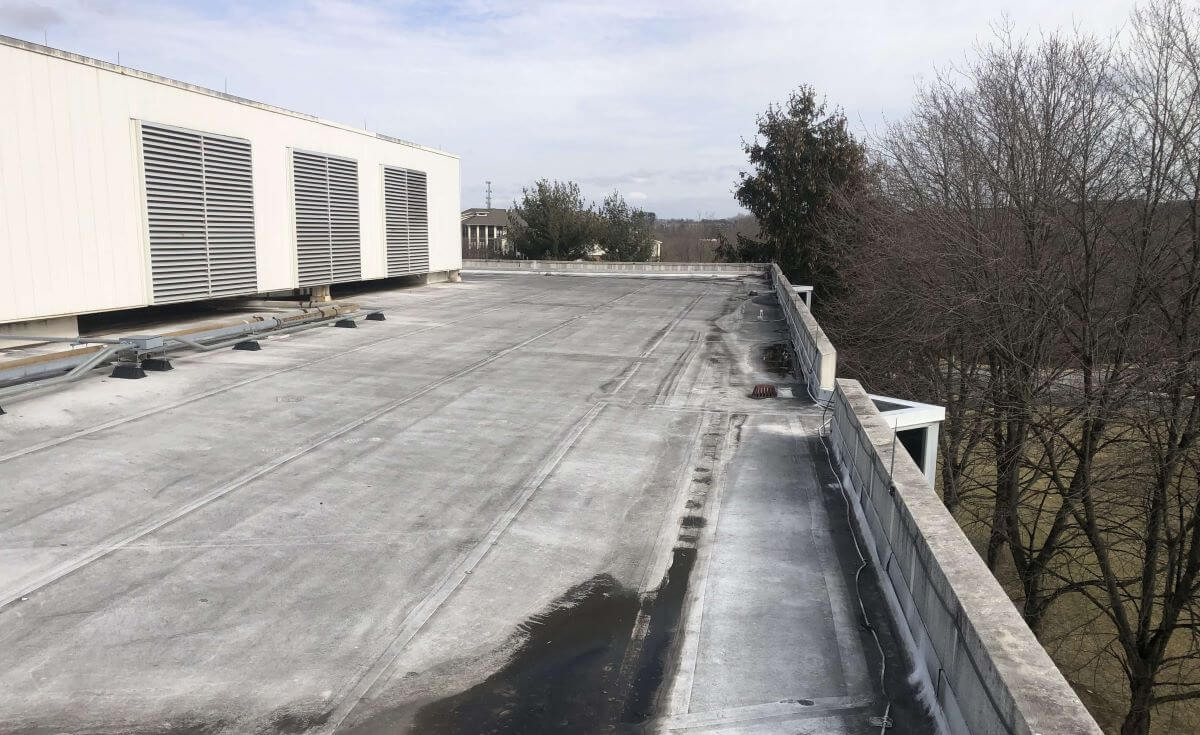
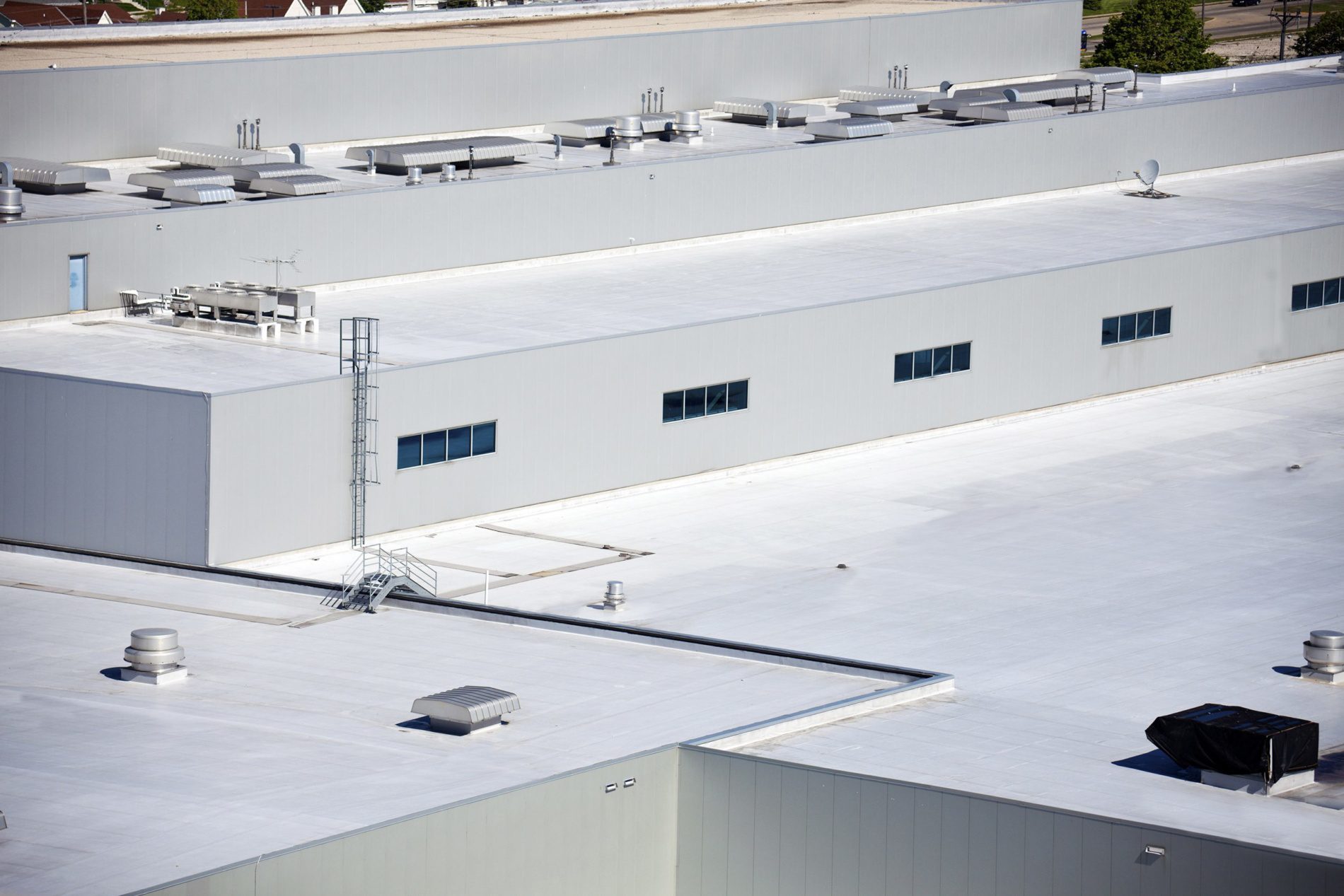
Process equipment load is the first design constraint on any manufacturing roof in Fresno. Evaporative coolers, air handling units, exhaust fans, and refrigeration condensers create point loads that must be engineered into the roofing system from the start. When a re-roof is required, the contractor must work directly with the facility's mechanical engineer to confirm that new insulation and membrane thickness don't compromise existing equipment curb heights or vibration isolation pads. Getting this coordination wrong means costly equipment relocations or, worse, stress concentrations that crack a new membrane within the first year.
Vibration is a persistent threat to membrane integrity on Fresno food-processing roofs. Continuous conveyor systems, industrial dryers, and packaging machinery transmit cyclic stress through the building structure and into the roofing assembly. Fully adhered TPO or modified bitumen systems with reinforced fleece backing tend to outperform mechanically fastened assemblies in these environments because they eliminate the fastener pattern as a failure point. In California's seismic zone, detailing at equipment curbs and parapet walls must also account for lateral movement, adding another layer of engineering review before any material is installed.
Chemical and fume exposure is a reality in food processing. Sugar-laden exhaust, cooking oils, and cleaning agents used in sanitation cycles can degrade standard roofing membranes quickly if the wrong product is specified. Fresno's hot summers amplify this degradation; a membrane that performs adequately in a cooler climate may blister, soften, or lose adhesion when surface temperatures routinely exceed 170°F. The contractor should provide third-party compatibility documentation showing the proposed membrane's resistance to the specific compounds present at the facility, not just a generic chemical resistance chart.
Skylight maintenance and replacement is a recurring line item for Fresno manufacturers. Natural daylighting reduces energy costs significantly in the Central Valley, where electricity rates under California's tiered commercial tariffs are among the highest in the nation. However, polycarbonate and fiberglass dome skylights degrade under intense UV exposure, becoming brittle and discolored within fifteen years. A roof replacement project is the right time to audit every skylight curb, rebed any that have shifted, and replace domes that no longer meet the light transmittance values specified in the facility's energy model.
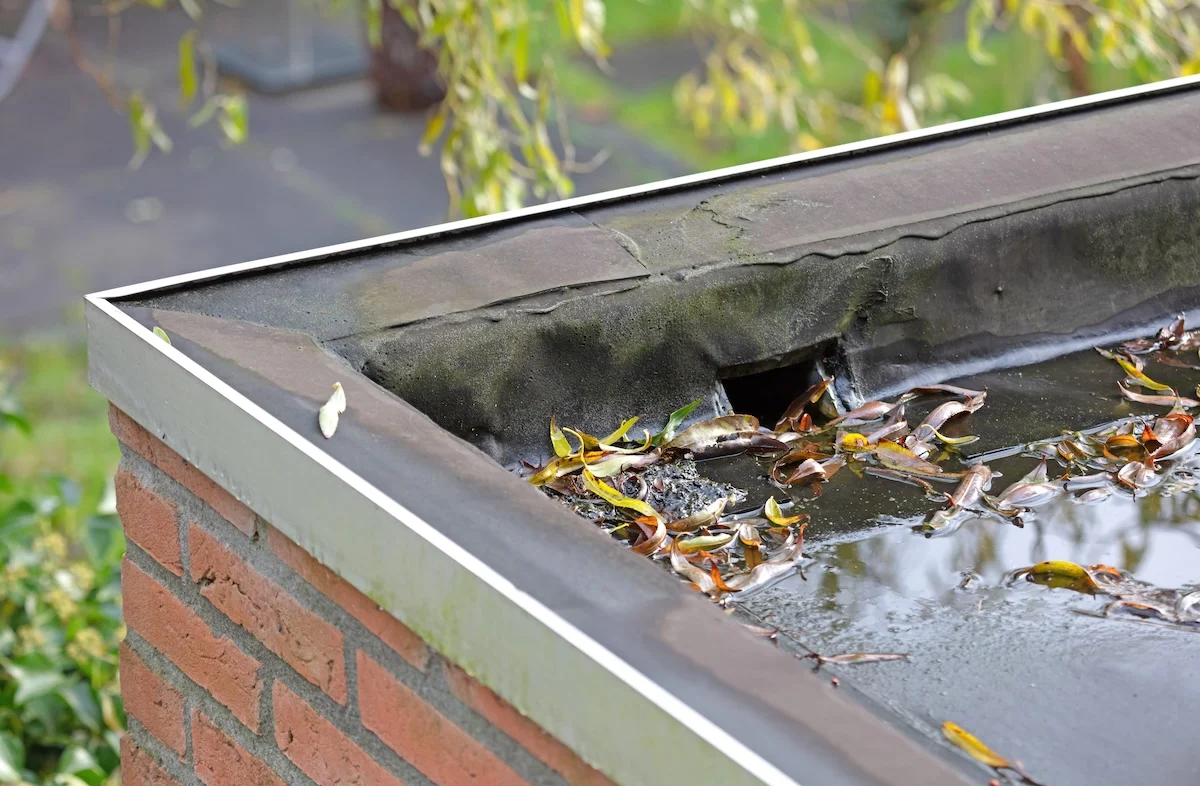
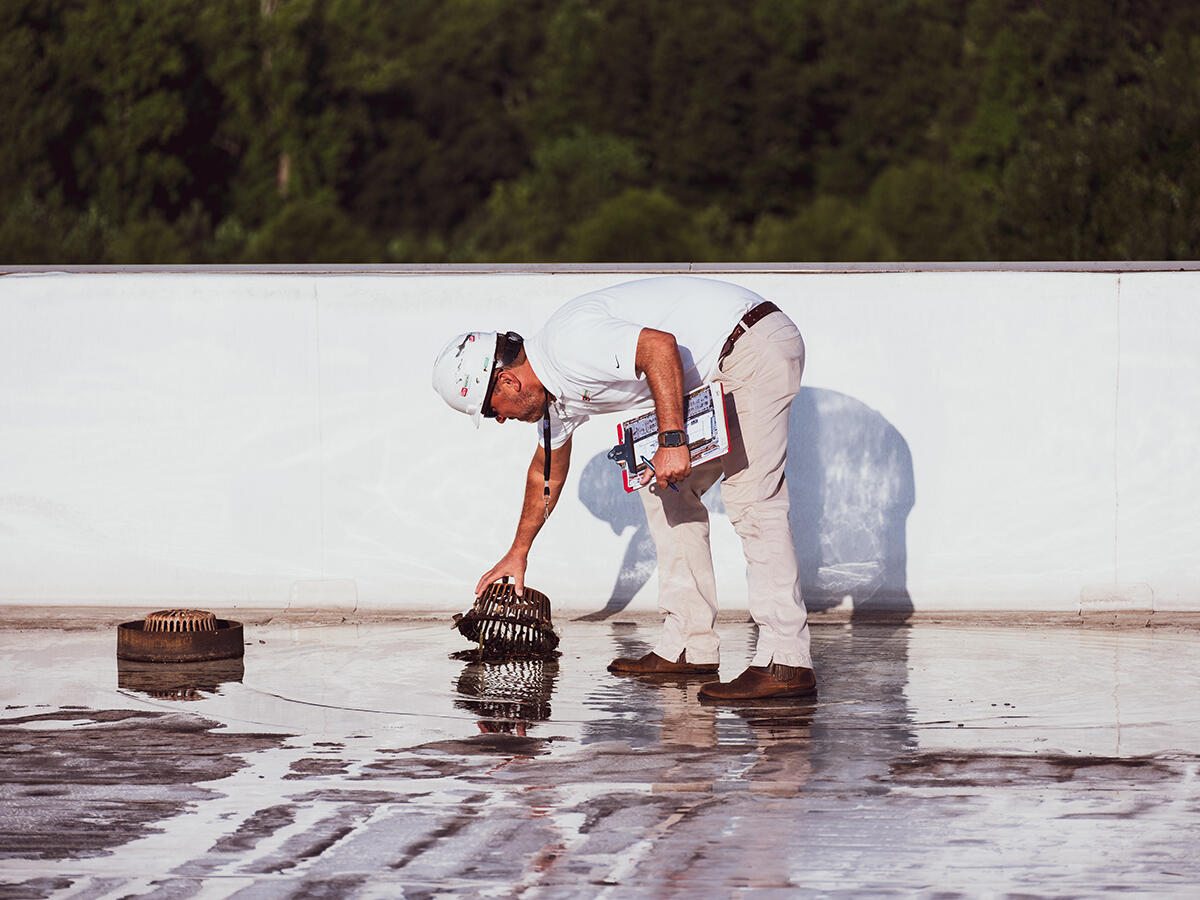
Drainage contamination is a regulatory concern that carries real financial risk in California. Storm water that contacts manufacturing residue on a Fresno plant roof can become a reportable discharge under the Industrial General Permit. Proper roof slope, secondary containment around equipment drains, and the use of gravel-free membrane systems that don't trap particulates are all design elements a qualified contractor addresses during the pre-project assessment. The goal is a roof that sheds water cleanly into a managed collection system rather than allowing contaminated pooling that can eventually reach Fresno's municipal storm drain network.
Schedule coordination with production management is non-negotiable. Most Fresno food processors operate on tight seasonal cycles tied to Central Valley harvests. Raisin processing, for example, concentrates activity from August through November, meaning roof work should be planned for the late winter or spring window when the facility has the most flexibility. A phased project plan that identifies which roof sections can be completed during scheduled maintenance shutdowns, and which require full-facility access restrictions, must be developed and approved by the plant manager before mobilization.
California energy code compliance under Title 24 adds another planning layer. Any re-roof on a conditioned building in Fresno must meet prescriptive cool-roof requirements, including minimum solar reflectance and thermal emittance values. For a manufacturing building where the roof also serves as a component of the overall thermal envelope, the contractor should provide a third-party verified product data sheet confirming Title 24 compliance for the specified membrane. The energy savings from a properly specified cool roof are measurable in a Fresno manufacturing environment where air conditioning loads during summer can represent a significant share of the utility budget.
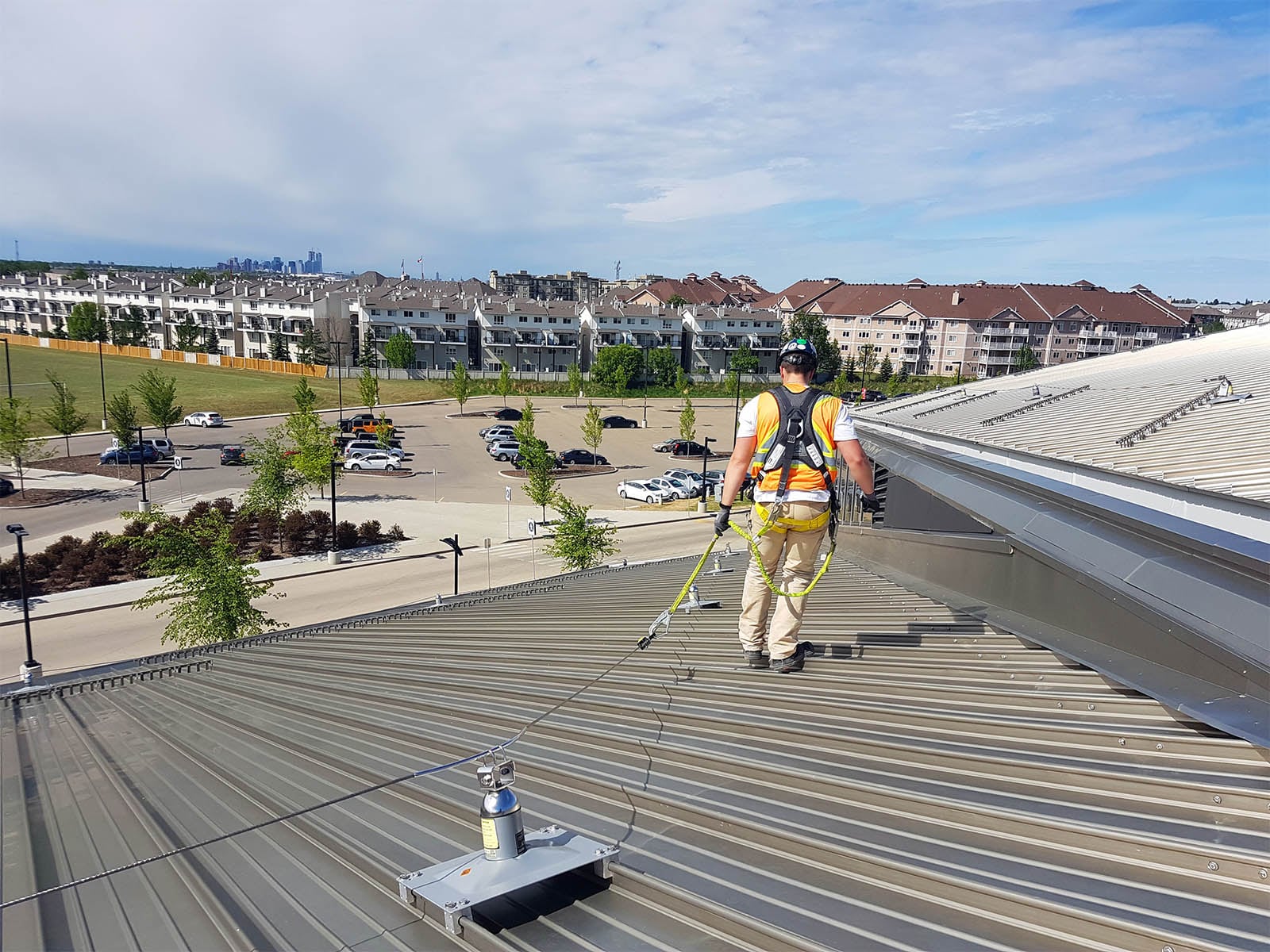
A qualified commercial roofing contractor serving Fresno manufacturers will maintain active OSHA 30 certification for their supervisory staff, carry California contractor's license C-39, and have documented experience with the specific membrane systems used on food-grade facilities. References from local industrial clients, not just generic commercial properties, should be standard expectations before contract execution.
- How does California's Title 24 cool-roof requirement affect a Fresno manufacturing re-roof?
- Any re-roof on a conditioned commercial building in Fresno must use a membrane that meets minimum solar reflectance and thermal emittance thresholds. The contractor must provide third-party certified product data confirming compliance before the project proceeds, and the installation must be documented for permit close-out.
- What membrane types hold up best under rooftop vibration from manufacturing equipment?
- Fully adhered fleece-backed TPO and modified bitumen systems generally outperform mechanically fastened assemblies in vibration-heavy environments because they eliminate fastener patterns as stress concentrators. The specific system should be engineered to the vibration frequency and amplitude profile of the installed equipment.
- How should a Fresno manufacturer plan the scheduling of a major re-roof?
- Work should be phased around production cycles. For most Central Valley food processors, the late winter and spring months offer the widest scheduling flexibility. A detailed phasing plan identifying critical shutdown windows and access restrictions must be approved by plant management before the contractor mobilizes.
- What are the storm water compliance risks of a poorly maintained industrial roof in Fresno?
- Contaminated storm water that runs off an industrial roof can trigger reporting obligations under California's Industrial General Permit. Proper slope, secondary containment around equipment drains, and gravel-free membrane systems reduce ponding and contamination risk.
- When should skylights be replaced as part of a roof project?
- Skylights should be evaluated during every re-roof. Polycarbonate and fiberglass domes that are more than fifteen years old, have become yellowed or brittle, or no longer meet the light transmittance values in the building's energy model should be replaced at the same time as the membrane to avoid opening the roof assembly twice.