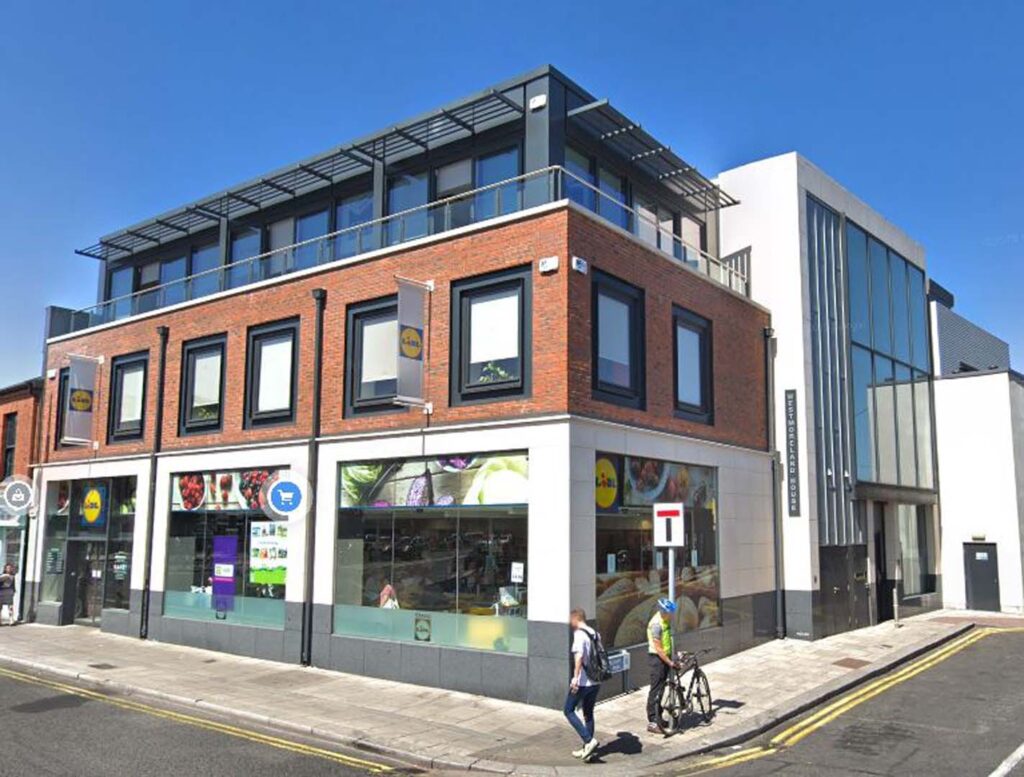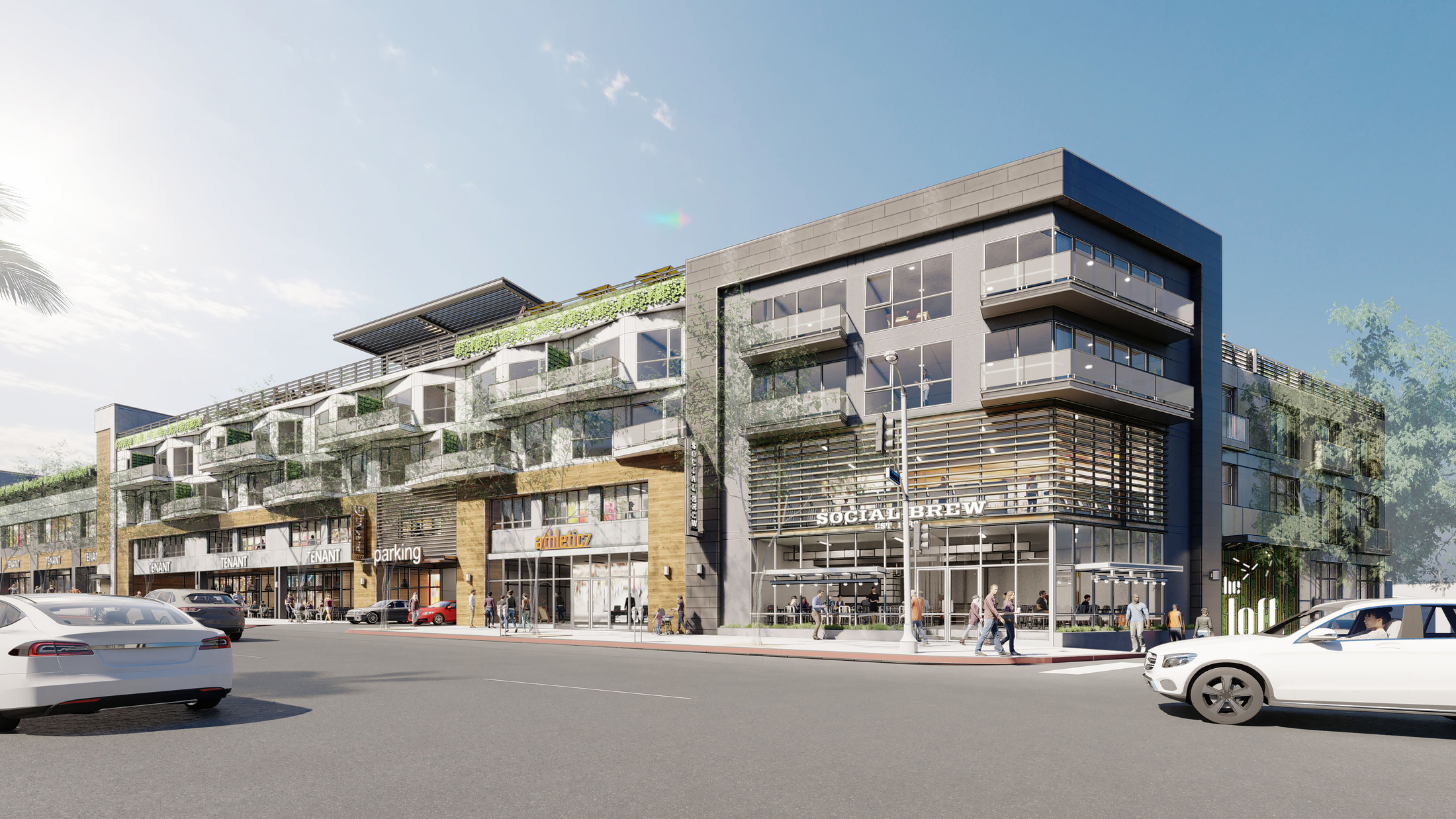
Fresno's downtown has undergone a genuine transformation over the past decade, led by the redevelopment of the Fulton Street corridor and the ongoing densification of the Granville Arts District near Tower District. Mixed-use buildings along Fulton Mall — many rising from the shells of mid-century retail structures — now stack breweries, galleries, and co-working spaces on the ground floor beneath market-rate apartments targeting Fresno State graduates and healthcare workers from the adjacent medical cluster around UCSF Fresno. The High-Speed Rail station planned for downtown Fresno is driving speculative mixed-use investment along its anticipated approach corridors, where developers are positioning themselves ahead of transit-oriented development demand that they expect to materialize in the next five to ten years.
Fresno's climate sits in a unique position that surprises developers more familiar with coastal California: the San Joaquin Valley's tule fog season runs from November through February, saturating roof surfaces with dense moisture for days at a time, while summer temperatures routinely exceed 105 degrees Fahrenheit. This thermal range — from fog-saturated surfaces at near-freezing temperatures to rooftop surface temperatures above 160 degrees in summer — creates thermal cycling stress on roof assemblies that is more aggressive than most of California's coastal markets experience. Mixed-use buildings in the Fulton corridor that were reroofed with systems designed for a milder California climate have experienced accelerated seam separation because the adhesive formulation was not matched to the full Fresno temperature range. Specifying roofing systems for ASHRAE Climate Zone 3B — the correct classification for Fresno — is the baseline requirement, not an option.
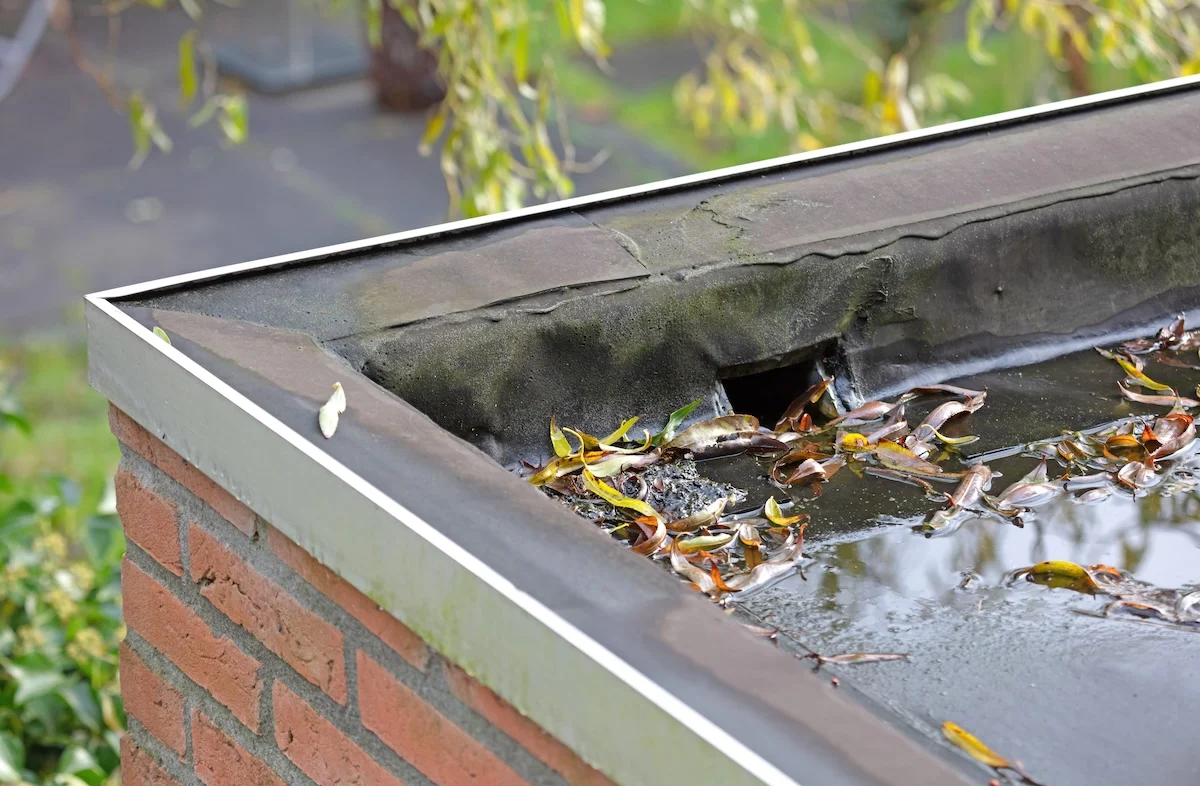
The tule fog season creates a specific moisture management challenge at parapet caps and horizontal flashings. Dense fog deposits moisture on horizontal surfaces continuously for weeks during peak fog events, and this moisture finds its way into any horizontal joint that lacks a positive-slope drip edge. Parapet cap designs on Fresno mixed-use buildings should incorporate continuous through-wall scuppers or positive-slope end caps that drain condensate away from the wall face rather than allowing it to pool at the cap-to-flashing joint. Buildings in the Tower District's older mixed-use stock that retained original coping stone installations without proper counter-flashings have experienced persistent parapet leaks attributed to fog condensate rather than rain — a failure mode that is difficult to diagnose without understanding Fresno's specific microclimate.
Rooftop solar has become functionally mandatory in Fresno's new mixed-use construction under California's Title 24 energy code, which requires solar-ready infrastructure and, for most building types, installed PV systems. Mixed-use buildings on Fulton Mall face an interesting planning challenge: the roof area is divided between the PV array required for the residential component, the HVAC equipment serving both commercial and residential systems, and any amenity deck space that developers want to capture for tenant use. The roofing system beneath a PV array is typically a dark TPO or PVC membrane — not reflective white — to maximize heat absorption for the array's performance. This creates a potential conflict with Title 24's cool roof requirements that must be resolved through compliant trade-off calculations in the energy model.
Seismic performance of roofing assemblies is a consideration in Fresno that is often ignored because the city sits in a lower-risk seismic zone than the Bay Area. However, Fresno is not seismically benign — the San Joaquin Valley sits atop a thick alluvial basin that can amplify ground motion, and mixed-use buildings on podium construction should verify that the roof-to-parapet connection detail accommodates the inter-story drift values in the structural design. Parapet wall anchorage to the roof deck that relies on the roofing membrane as a structural element — a detail that appears in some contractor-designed assemblies — is inadequate. Purpose-designed parapet braces or structural kickers that transfer seismic loads to the diaphragm independently of the roofing system should be specified on all Fresno mixed-use buildings taller than three stories.
The multi-use character of Fresno's downtown mixed-use buildings creates complex rooftop landscapes that require systematic penetration management. A building housing a ground-floor restaurant — common in the Fulton Arts Walk development — generates kitchen exhaust that must be routed to the roof and discharged in a way that does not contaminate the fresh-air intakes of upper-floor apartments. An unhappy situation that occurs in Fresno's dense mixed-use buildings involves grease-laden kitchen exhaust deposits on adjacent roofing membrane — a degradation mechanism that accelerates membrane aging and can void manufacturer warranties. Kitchen exhaust stacks should be elevated above the surrounding roof field by at least three feet and oriented away from prevailing wind directions to minimize membrane contact with exhaust deposits.
Fresno's mixed-use apartment market is less competitive on rooftop amenities than coastal California cities, but the High-Speed Rail station development is expected to shift that dynamic as more transit-oriented projects target urban commuters with disposable income. Rooftop amenity decks on Fresno's mid-rise mixed-use buildings face an extreme UV environment — the San Joaquin Valley receives intense solar radiation nearly year-round — that degrades exposed membrane sections at drain bodies and perimeter flashings faster than in fog-shielded coastal markets. UV-stabilized single-ply membranes with thickness at the high end of the specification range (80-mil TPO at exposed perimeters) have outperformed thinner systems in Fresno's amenity deck applications.
Occupied reroofing in Fresno's downtown mixed-use corridors is complicated by the density of ground-floor tenants who depend on customer foot traffic during business hours. The Fulton Street corridor's success as a pedestrianized commercial zone makes construction access for material delivery and debris removal a logistical challenge that requires coordination with the City of Fresno's Public Works department for right-of-way access. Temporary pedestrian protection systems — overhead protection at building entries, barrier-protected delivery corridors — are required under city policy and add cost that must be reflected in bid documents rather than discovered post-award.
Long-term maintenance on Fresno mixed-use roofs should address the unique wear patterns created by the city's climate. Tule fog season inspections in November — before the fog season peaks — should specifically document the condition of parapet cap joints and counter-flashings that are most vulnerable to fog condensate infiltration. Summer inspections in July should document membrane condition in the zones surrounding kitchen exhaust stacks, where grease deposits are most concentrated. Buildings with PV arrays should coordinate roofing inspections with solar maintenance schedules; the area beneath solar racking is not accessible for standard membrane inspection without temporarily relocating panels, and this coordination is most cost-effective when the two maintenance activities are scheduled together.
- What climate zone should govern roofing system selection for Fresno mixed-use buildings?
- Fresno falls in ASHRAE Climate Zone 3B, which requires roofing system specifications that address both the extreme summer heat — rooftop surfaces exceeding 160 degrees Fahrenheit — and the winter tule fog season with near-freezing fog saturation for extended periods. Systems designed for coastal California markets are frequently inadequate for Fresno's full temperature range, and adhesive formulations not matched to Zone 3B conditions have produced accelerated seam separation in local mixed-use buildings.
- How should tule fog condensate be managed at parapet caps on Fresno buildings?
- Parapet caps on Fresno mixed-use buildings should incorporate continuous through-wall scuppers or positive-slope end caps that drain condensate away from wall faces rather than allowing pooling at the cap-to-flashing joint. Older buildings in the Tower District with original coping stone and no counter-flashings have experienced persistent leaks attributed to fog condensate rather than rain — a failure mode that requires understanding Fresno's microclimate to diagnose correctly. All new and replacement parapet cap installations should include positive drainage provisions.
- How does Title 24 interact with cool roof requirements for Fresno mixed-use buildings with solar?
- California's Title 24 energy code requires solar-ready infrastructure and typically installed PV systems on new mixed-use construction. The dark TPO or PVC membrane optimal beneath a PV array can conflict with Title 24's cool roof requirements. This conflict must be resolved through compliant energy model trade-off calculations that demonstrate overall energy performance, not by simply specifying a reflective membrane regardless of where the array is positioned. Early energy modeling engagement is essential for Fresno's Title 24 compliance path.
- What seismic considerations apply to parapet anchorage in Fresno mixed-use buildings?
- Fresno's San Joaquin Valley alluvial basin can amplify ground motion, and buildings taller than three stories should verify that roof-to-parapet connections accommodate the inter-story drift values in the structural design. Details that rely on the roofing membrane as a structural element are inadequate. Purpose-designed parapet braces or structural kickers that transfer seismic loads to the diaphragm independently of the roofing system should be specified for all mid-rise Fresno mixed-use buildings.
- How should kitchen exhaust from ground-floor restaurants be managed on Fresno mixed-use roofs?
- Grease-laden kitchen exhaust deposits on adjacent roofing membrane accelerate aging and can void manufacturer warranties. Kitchen exhaust stacks should be elevated at least three feet above the surrounding membrane field and oriented away from prevailing wind directions to minimize membrane contact. Membrane sections within three feet of kitchen exhaust discharge points should be inspected semi-annually for grease deposits and cleaned or replaced as needed to maintain the warranty-compliant condition.