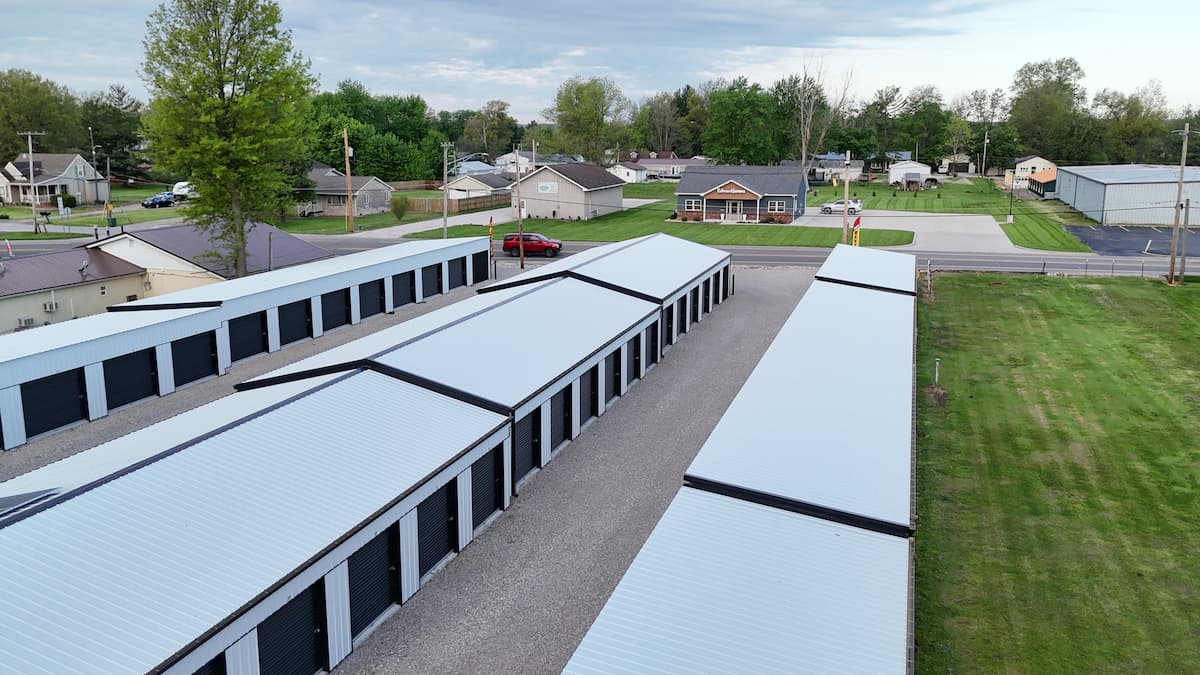
Public Storage operates one of the largest self-storage campuses in Fresno, California, with multiple facilities along Blackstone Avenue and Shaw Avenue serving tens of thousands of square feet of rentable units. Facilities like these depend on commercial roofing systems that perform reliably year after year, protecting tenants' belongings from California's Central Valley sun, occasional winter storms, and the persistent threat of moisture intrusion that can destroy stored furniture, documents, and electronics without warning.
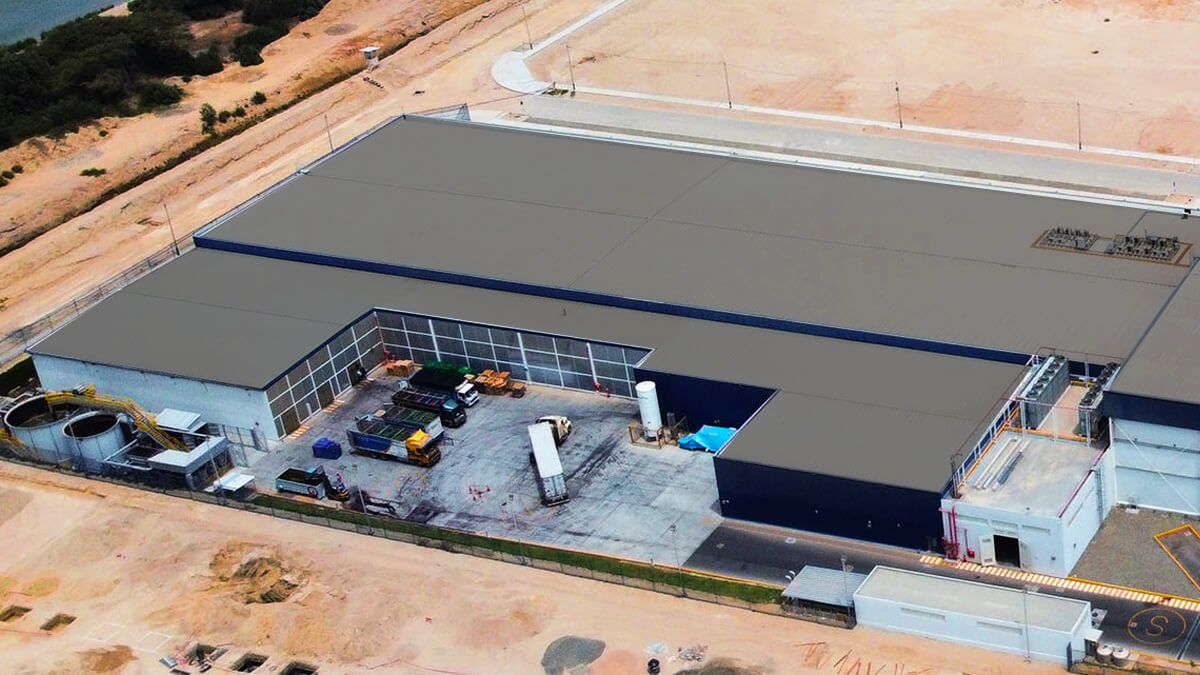
Self-storage buildings present a roofing challenge that is unique in commercial construction: enormous, uninterrupted flat or low-slope footprints that span row after row of identical unit bays. A typical multi-building Fresno storage campus can easily encompass 80,000 to 120,000 square feet of roof surface. At that scale, even a minor defect in membrane installation — a poorly bonded seam, an inadequately flashed penetration, a drain that sits a quarter inch too high — translates into water infiltrating dozens of units before the leak ever becomes visible from the ground.
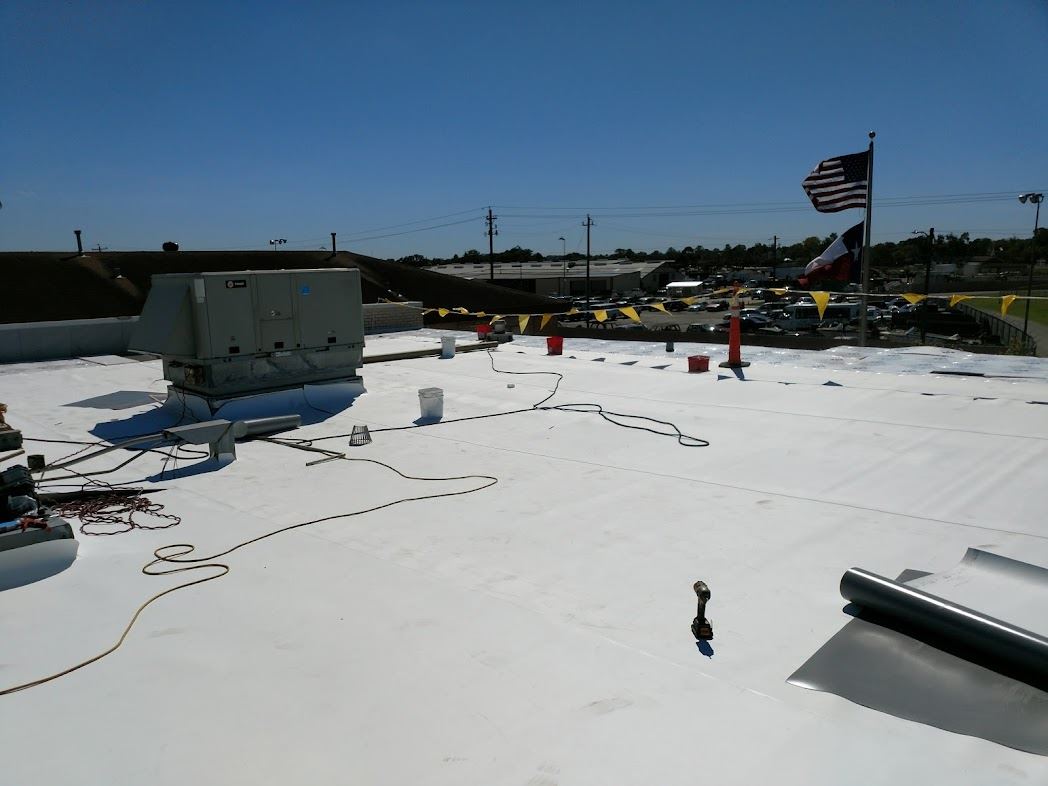
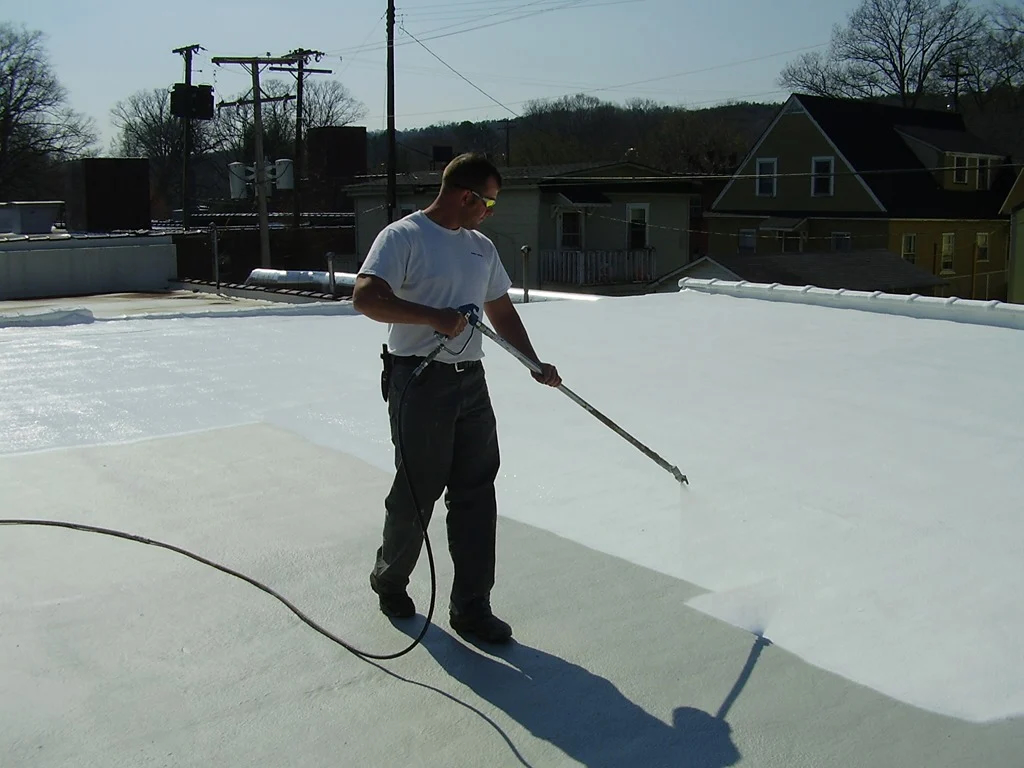
In Fresno's climate, roofing membranes face a thermal punishment that few other regions match. Summer daytime temperatures regularly exceed 105°F, and rooftop surface temperatures on a dark membrane can climb past 170°F. That daily heat cycle expands and contracts the roof assembly repeatedly, stressing seams and flashings over time. California's Title 24 energy code requires cool-roof compliant membranes on low-slope commercial buildings, meaning roofing contractors must specify materials with a minimum solar reflectance index. TPO and white-fleece-backed membranes are the standard answer in the Central Valley, keeping surface temperatures lower and reducing the cooling load on climate-controlled units.
Climate-controlled self-storage is a growing segment in Fresno, and the roofing system plays a direct role in energy performance. Without adequate insulation above the deck — typically polyisocyanurate (polyiso) board in thicknesses meeting or exceeding Title 24 prescriptive requirements — the HVAC systems inside climate-controlled corridors work overtime against summer heat gain. A well-designed roof assembly with a reflective membrane over two or more inches of polyiso dramatically reduces that load, lowering utility costs and protecting the temperature-sensitive goods tenants are paying a premium to store.
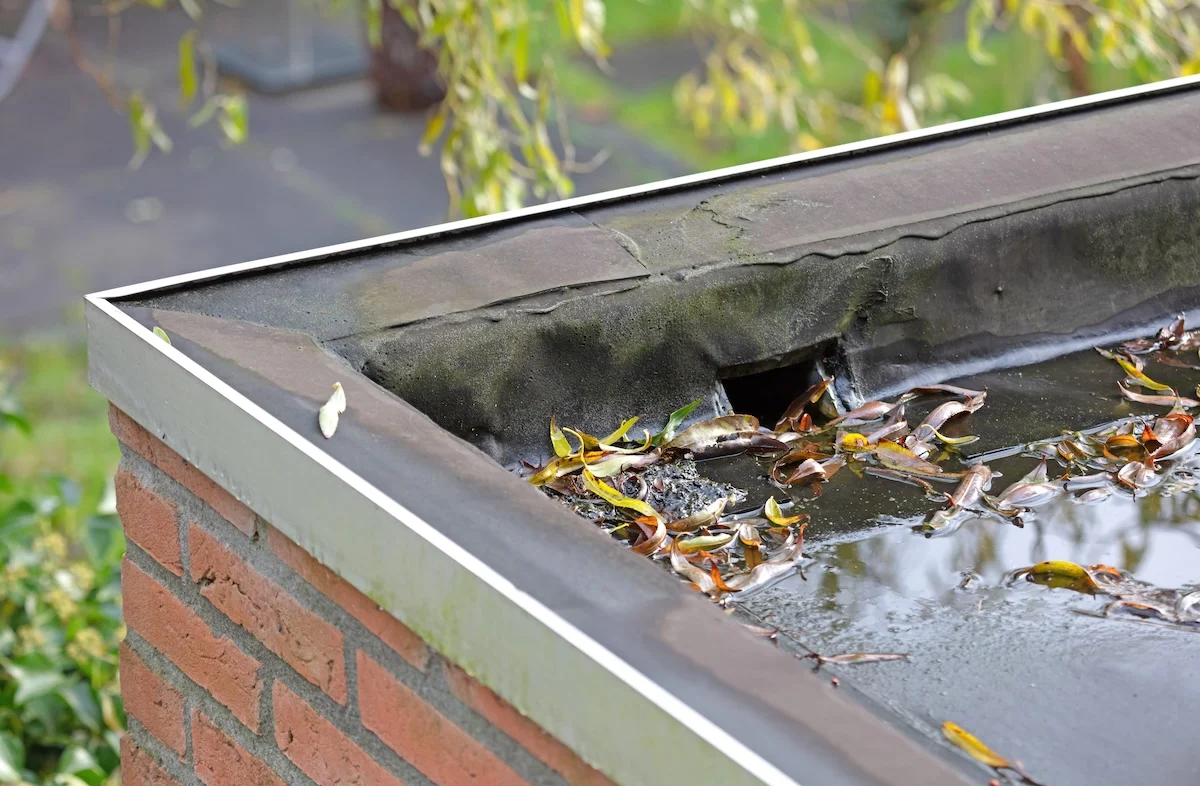
Drainage design on a self-storage roof is non-negotiable. Because unit rows are long and rooflines are continuous, water must be directed to internal drains or scuppers at precise intervals. Standing water even a half-inch deep adds structural load and accelerates membrane degradation. Our Fresno crews survey every existing drain and scupper location before any re-roofing work begins, confirming that the deck has no low spots where ponding can occur and that sumps are properly recessed to encourage positive drainage to the drain bowl.
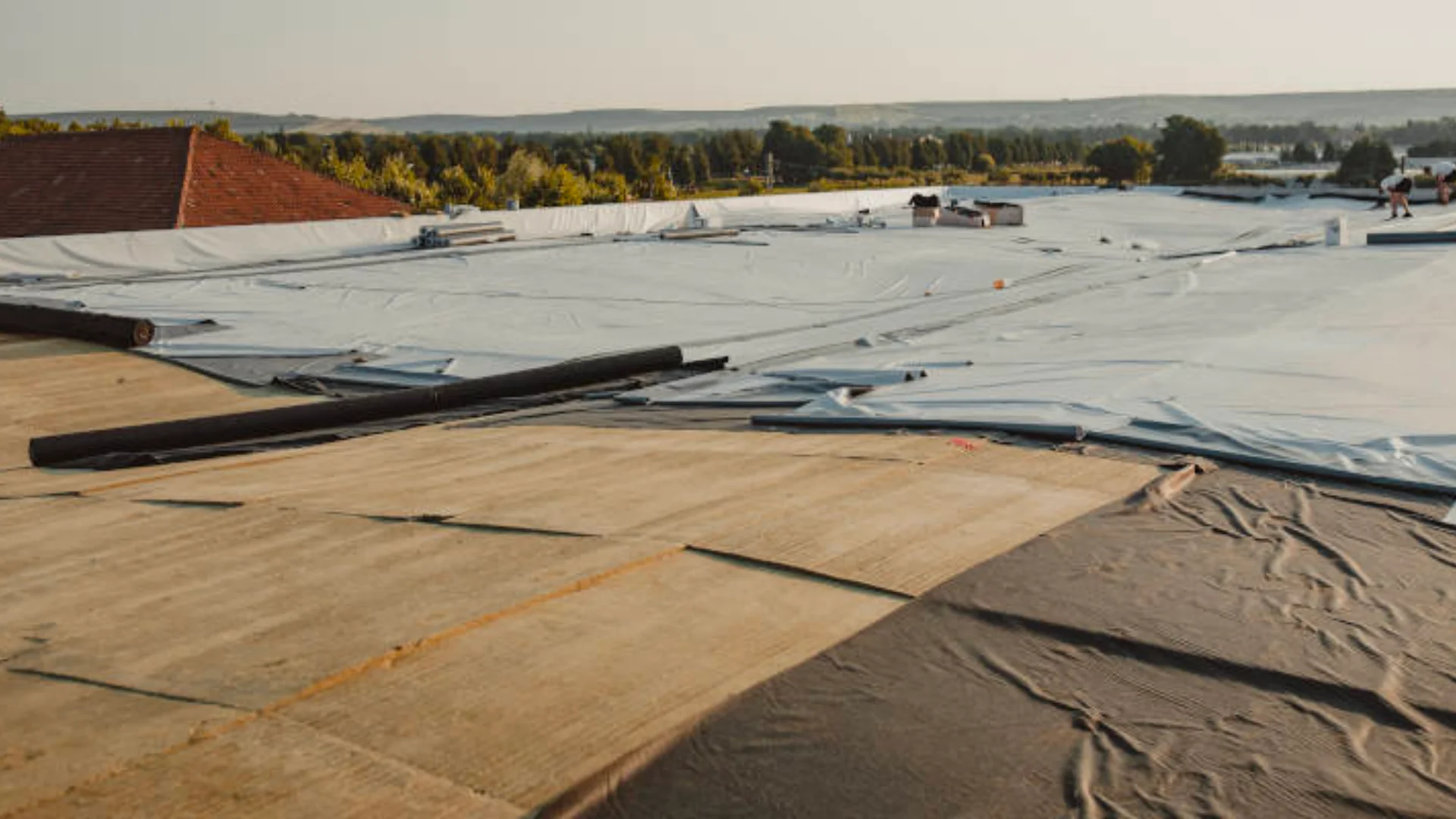
Tenant protection during an active re-roofing project is a practical concern that storage operators often underestimate. Units cannot simply be vacated for weeks while work progresses. Our phased re-roofing approach segments a large campus into manageable sections, working one building or one row at a time, using temporary waterproofing measures at the end of each workday so that tenants' goods remain dry overnight and during any unexpected rain event. Coordination with facility management ensures that high-value or climate-sensitive units are addressed last, with the most robust temporary protection in place.
Penetrations on self-storage roofs are less complex than on hospitality or office buildings — typically limited to HVAC curbs, vent pipes, and electrical conduit — but each one must be flashed with a precision that matches the membrane manufacturer's specifications to maintain the warranty. Many Fresno facilities operate outdoor lighting on rooftop conduit runs, and those conduit-to-membrane transitions are a common failure point on aging systems. During inspection, we document every penetration and flag any where the original pitch-pan fill has cracked or the membrane counter-flashing has separated.
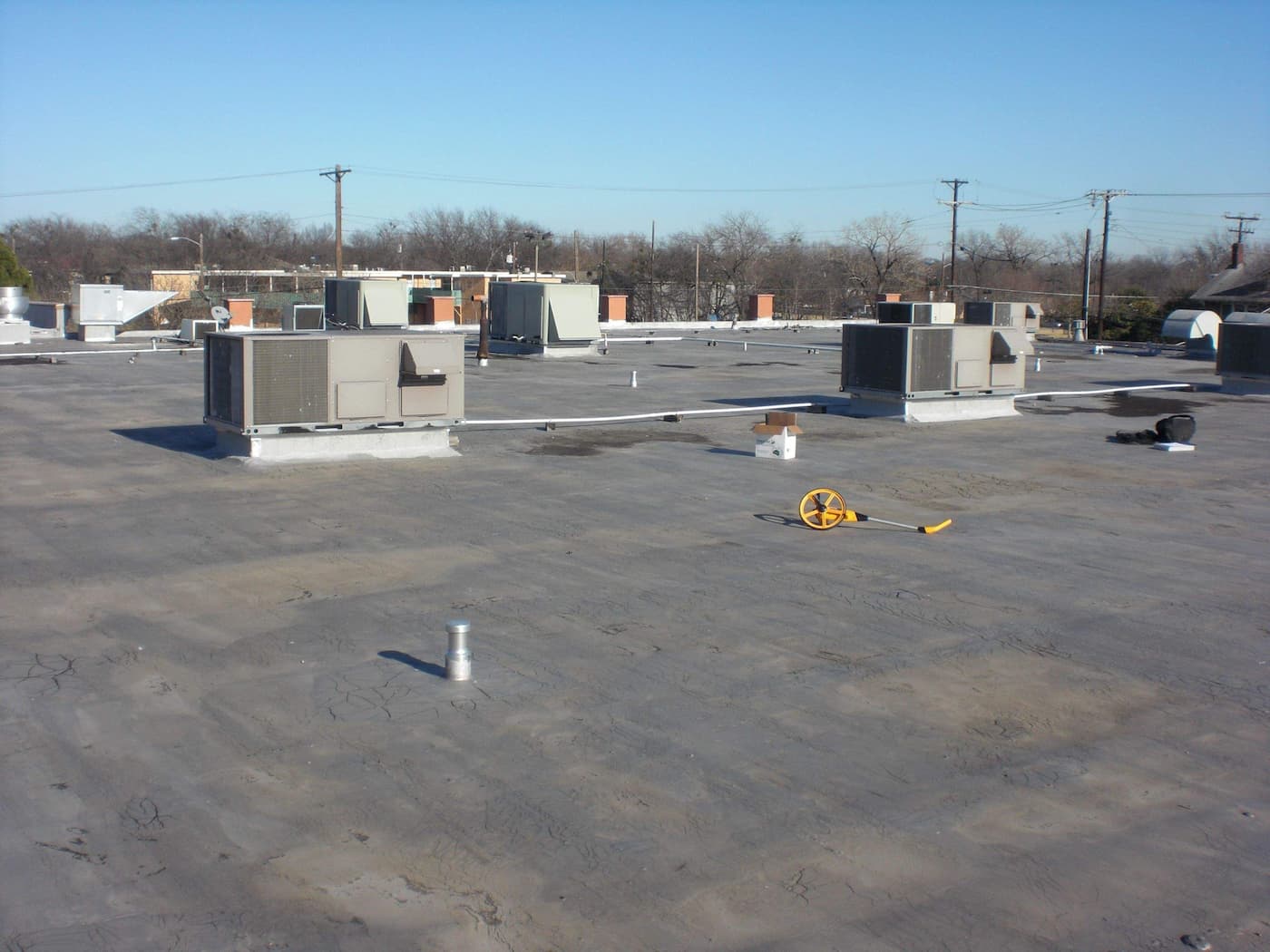
When a storage operator is evaluating whether to repair or replace an aging roof, we provide a detailed condition assessment that maps moisture in the existing insulation using infrared thermography after sundown. Wet insulation retains heat longer than dry insulation, and that thermal contrast shows clearly on a thermal camera scan. The report quantifies the percentage of the roof area that has been compromised, allowing the operator to make a data-driven decision between targeted repairs, partial replacement of wet sections, or full tear-off and re-roofing.
Our Fresno commercial roofing team carries the manufacturer certifications required to issue 15-, 20-, and 25-year NDL (no-dollar-limit) warranties on new self-storage roof systems. Those warranties cover both the membrane and the labor, giving operators a bankable asset they can present to lenders or buyers when the time comes to refinance or sell the property. We coordinate with the membrane manufacturer's technical representative on every large project to ensure installation meets factory standards from day one.
- How does California's Title 24 affect my self-storage roof replacement in Fresno?
- Title 24 requires low-slope commercial roofs to meet minimum solar reflectance and thermal emittance values. In practice this means specifying a cool-roof compliant membrane — typically white TPO or a reflective coating system — and meeting minimum insulation R-values. We handle the compliance documentation and can pull the required energy compliance reports as part of the permit package.
- What membrane type holds up best to Fresno's Central Valley heat?
- Thermoplastic polyolefin (TPO) in 60-mil or 80-mil thickness is the most common choice for large Fresno storage facilities because it combines cool-roof compliance, heat-welded seams, and cost efficiency. For facilities with heavy foot-traffic roofs, 60-mil TPO with walkway pads at access routes is standard practice.
- Can you re-roof a busy self-storage facility without closing units?
- Yes. We use a phased work plan that keeps the majority of units accessible at all times. Each section receives temporary waterproofing at the close of each workday, and any roof that is opened is fully protected before our crews leave the site.
- How long does a full re-roof of a 100,000-square-foot storage campus take?
- A project of that size typically runs four to eight weeks depending on deck condition, insulation depth, and weather windows. We provide a detailed schedule with phase milestones before work begins.
- What warranty can I expect on a new self-storage roof in Fresno?
- With a certified installation using qualifying membrane and insulation systems, NDL warranties of 20 or 25 years are available from major manufacturers. These cover both materials and labor costs for qualifying defects for the full warranty term.