Delaware Statutory Trust sponsors acquiring commercial properties in Fresno have access to one of the Central Valley's most active industrial and distribution markets, a corridor that has drawn increasing 1031 exchange interest as logistics users expand inland from coastal California hubs. Fresno County's position along Highway 99 between Los Angeles and Sacramento, combined with cap rates that remain more competitive than Bay Area or Los Angeles alternatives, has made it a recurring target for DST industrial and NNN retail acquisitions. The roofing due diligence and compliance requirements for commercial properties in California, however, involve a regulatory layer that distinguishes this market from virtually every other state in the country.
California's Title 24 Energy Code is the first regulatory reality that out-of-state DST sponsors must internalize. Title 24 governs the energy performance of commercial buildings, and roofing systems — specifically insulation R-value, roof surface reflectance, and thermal emittance — are directly regulated components. When a DST sponsor acquires a Fresno commercial property and that property subsequently requires a roof replacement during the hold period, the replacement must comply with current Title 24 standards regardless of what the original system was. For an older building that was constructed before current code cycles, this means a replacement can cost materially more than a like-for-like swap would cost in a non-Title-24 jurisdiction, and the reserve analysis must reflect that delta.
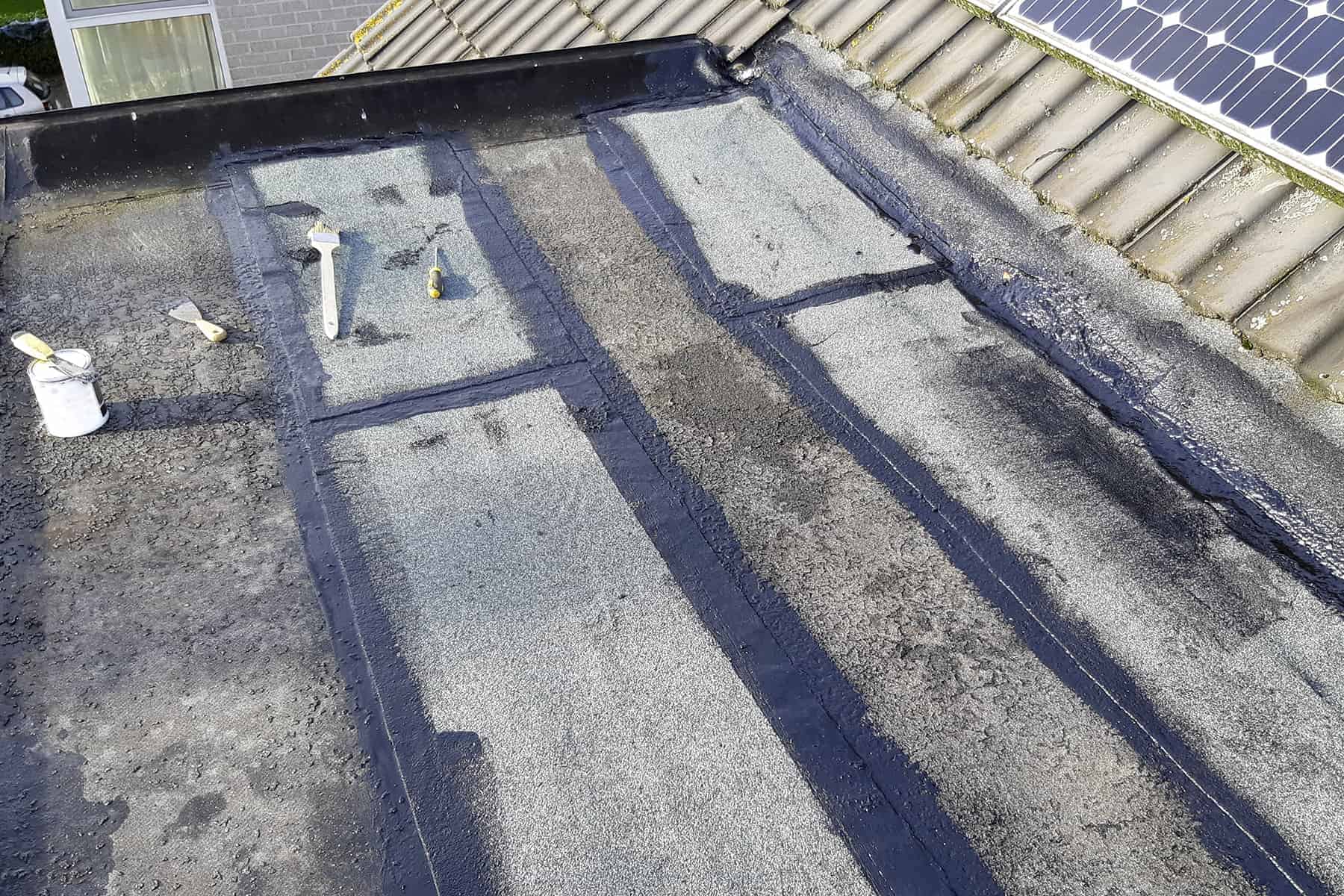
Roof condition reports for 1031 due diligence in Fresno should include an assessment of the existing system's compliance posture — specifically whether the current roof meets current Title 24 requirements or grandfathered status, and what a compliant replacement would cost. This is not merely academic. A DST sponsor entering a ten-year hold on a Fresno industrial building with a fifteen-year-old membrane that does not meet current Title 24 reflectance requirements needs to know that when that roof reaches end of life, the replacement cost includes the cost of bringing the building into code compliance, not just the cost of installing like-for-like materials.
1031 exchange timeline pressure in Fresno mirrors that of any active California market. Buyers identifying Central Valley replacement properties in the late stages of the 45-day window need inspection, report delivery, and reserve analysis completed quickly. A Fresno commercial roofing contractor with familiarity in both large industrial membrane systems and Title 24 compliance requirements can deliver a due diligence report that satisfies institutional broker-dealer standards without requiring a second pass from a code consultant. Sponsors who have developed this local relationship before they need it compress the due diligence timeline and close transactions that competitors cannot match on speed.
The passive DST ownership structure creates operational challenges in California's regulatory environment. Permit requirements for roofing work in Fresno County involve both the building department and, for larger projects, energy compliance documentation under Title 24. A property manager who needs to authorize emergency or significant roof repairs cannot simply hire the first available contractor — the work must be performed under proper permits, by a licensed California contractor, and in compliance with current energy code. Pre-establishing a contractor relationship who understands these requirements means the property manager is never in the position of learning them under pressure during an active leak event.
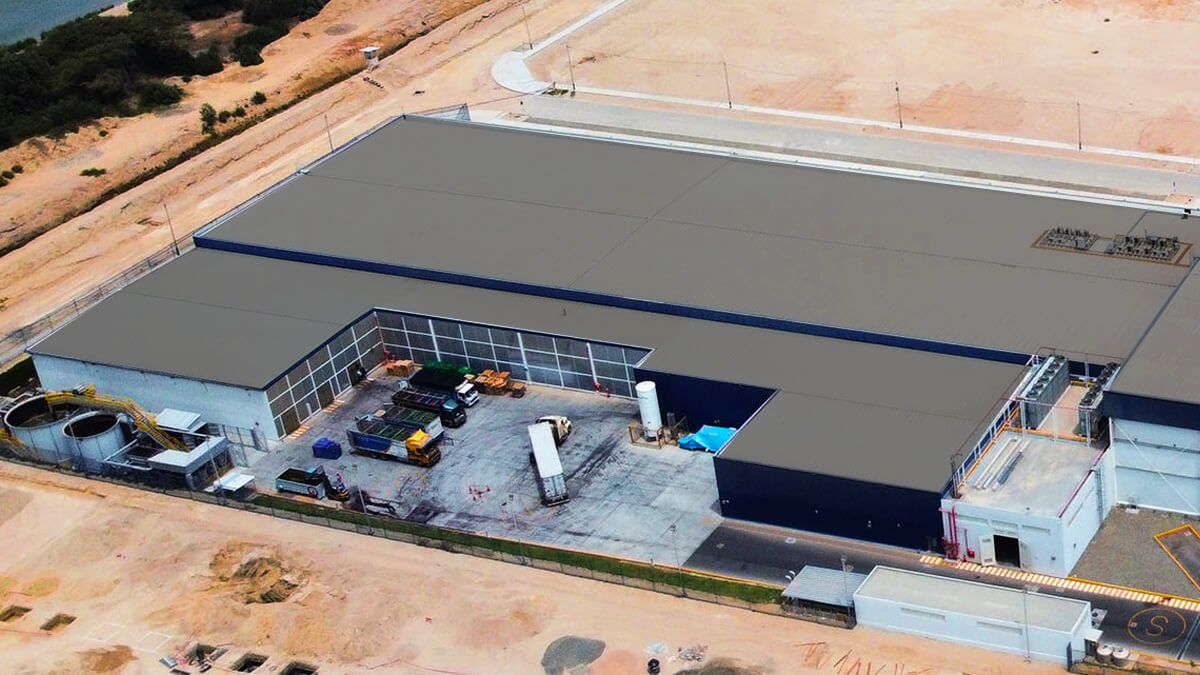
Fresno's industrial market is centered on large-footprint warehouse and distribution facilities that often feature extensive low-slope membrane or metal panel roof systems. At 200,000 to 500,000 square feet of roof area, a replacement is not a routine maintenance event — it is the single largest capital expenditure the property is likely to face during a hold period. Accurate per-square-foot replacement cost estimates using current Fresno labor and material pricing, with Title 24 compliance costs included, are the foundation of any offering memorandum reserve schedule that will withstand scrutiny from institutional investors and broker-dealers who know this market.
Fresno's climate presents a different challenge than coastal California markets. The Central Valley experiences extreme summer heat with extended periods above 100 degrees Fahrenheit, combined with significantly cooler winters and occasional frost. This thermal cycling is not as severe as northern Midwest freeze-thaw, but it does stress membrane systems differently than the mild coastal climate that many California building codes were originally optimized for. A contractor familiar with Central Valley roof performance — particularly the accelerated aging that occurs at membrane seams and flashing terminations under high-heat conditions — delivers a more accurate remaining useful life estimate than one with primarily coastal California experience.
Reserve adequacy for Fresno DST offerings is complicated by California's construction labor cost environment, which is elevated by prevailing wage requirements on many commercial projects and a licensing and insurance cost structure that exceeds most other states. Sponsors who model reserves using out-of-state labor benchmarks will systematically underestimate actual replacement costs. A contractor-provided estimate from a licensed Fresno-area commercial roofer, including the California-specific cost components, is the only reliable basis for a reserve schedule that will protect distributions through the hold period.
Fresno represents a market where careful operational preparation at acquisition pays dividends throughout an extended hold. DST sponsors who document roof condition thoroughly, build Title 24 compliance costs into their reserve analysis, establish a local contractor relationship, and structure hold period maintenance around the Central Valley's specific climate demands are the ones who exit at the projected hold period with distributions intact and investor relationships preserved. The roofing due diligence investment made at acquisition is what makes that outcome achievable.
- How does California's Title 24 Energy Code affect roofing decisions for a Fresno DST property?
- Title 24 mandates minimum roof surface reflectance and thermal emittance values for commercial buildings, effectively requiring cool roof systems on most commercial property types. When a DST property needs a roof replacement during the hold period, the new system must comply with current Title 24 standards even if the existing system predates those requirements. For sponsors, this means replacement cost estimates must include the premium for compliant materials over conventional alternatives, and the offering memorandum's reserve schedule should explicitly reflect this. A contractor familiar with California compliance requirements can provide a Title 24-inclusive replacement estimate as part of the due diligence report.
- What should a Fresno DST due diligence roof report include beyond a standard condition assessment?
- In addition to standard condition documentation — system type, age, current condition, remaining useful life estimate, and replacement cost — a Fresno due diligence report should address the building's current Title 24 compliance status, identify any permits open or required for prior repairs, and note whether the existing contractor of record has current CSLB licensing that would be relevant for warranty claims. For large industrial properties, the report should also address whether the roof drainage system is adequate for Fresno's occasional heavy rainfall events, which can deposit substantial water volume quickly on a large flat roof.
- How does the passive DST structure affect emergency roof repair authorization in California?
- California requires a licensed CSLB contractor for any roofing work and a permit for replacements above a defined scope threshold. A DST property manager must ensure that the service agreement with the roofing contractor covers both emergency response authorization and the contractor's license status. In an active leak situation, temporary repairs may proceed under the contractor's license without a permit, but permanent work requires proper permitting. The pre-established relationship ensures the property manager is never sourcing a contractor in an emergency, which in California's regulatory environment creates both delay and compliance risk.
- How quickly can a Fresno roofing contractor complete due diligence work for a 1031 acquisition?
- A contractor with active Fresno-area commercial operations can typically schedule an inspection within two to three business days and deliver a written report within five to seven business days. For large industrial properties with complex roof systems, allow for a full day of inspection time and additional report preparation time. The key to meeting compressed 1031 timelines is initiating the inspection request as early as possible in the due diligence period, ideally at the time of contract execution rather than after lender or broker-dealer requests trigger it.
- What Fresno-specific climate factors should a DST sponsor factor into roof reserve projections?
- Central Valley summers regularly exceed 100 degrees Fahrenheit, which accelerates membrane aging, particularly at seams and penetration flashings. Cool roof requirements under Title 24 help mitigate some of this thermal loading, but older systems not meeting reflectance standards are aging faster than the calendar suggests. Winter frost in Fresno is mild by Midwest standards but can stress drain collars and flat-panel flashings. Annual maintenance visits, particularly in spring and fall, are the most cost-effective way to extend membrane life and defer the large-scale replacement that dominates the reserve calculation.