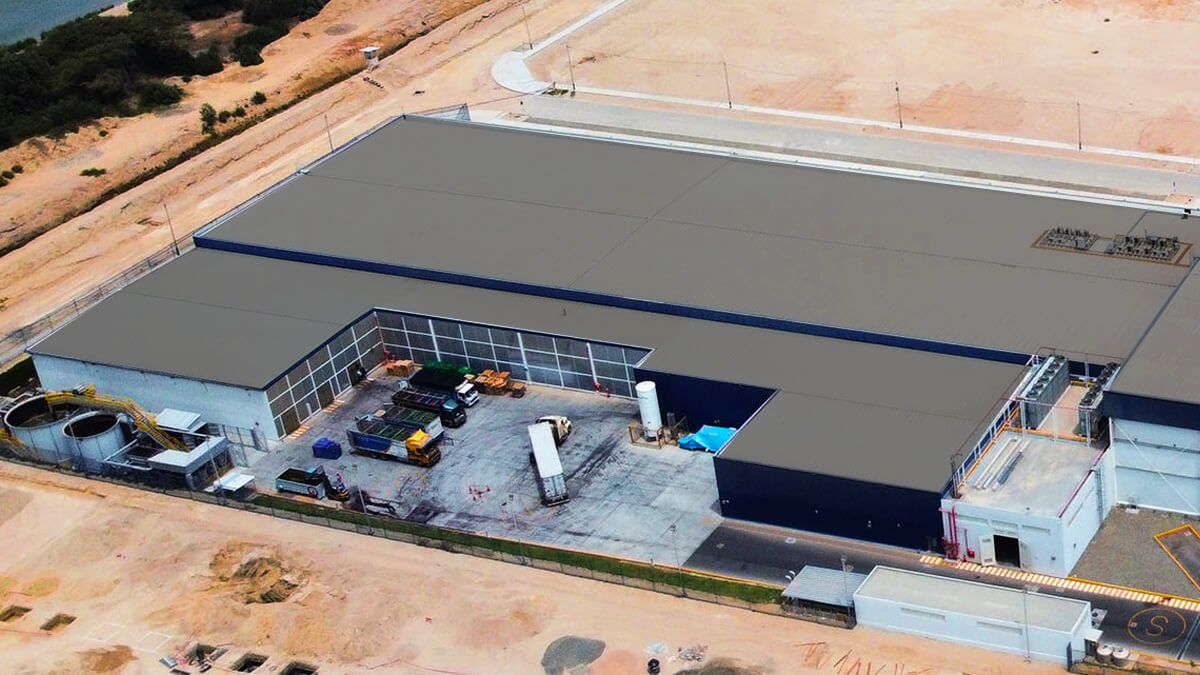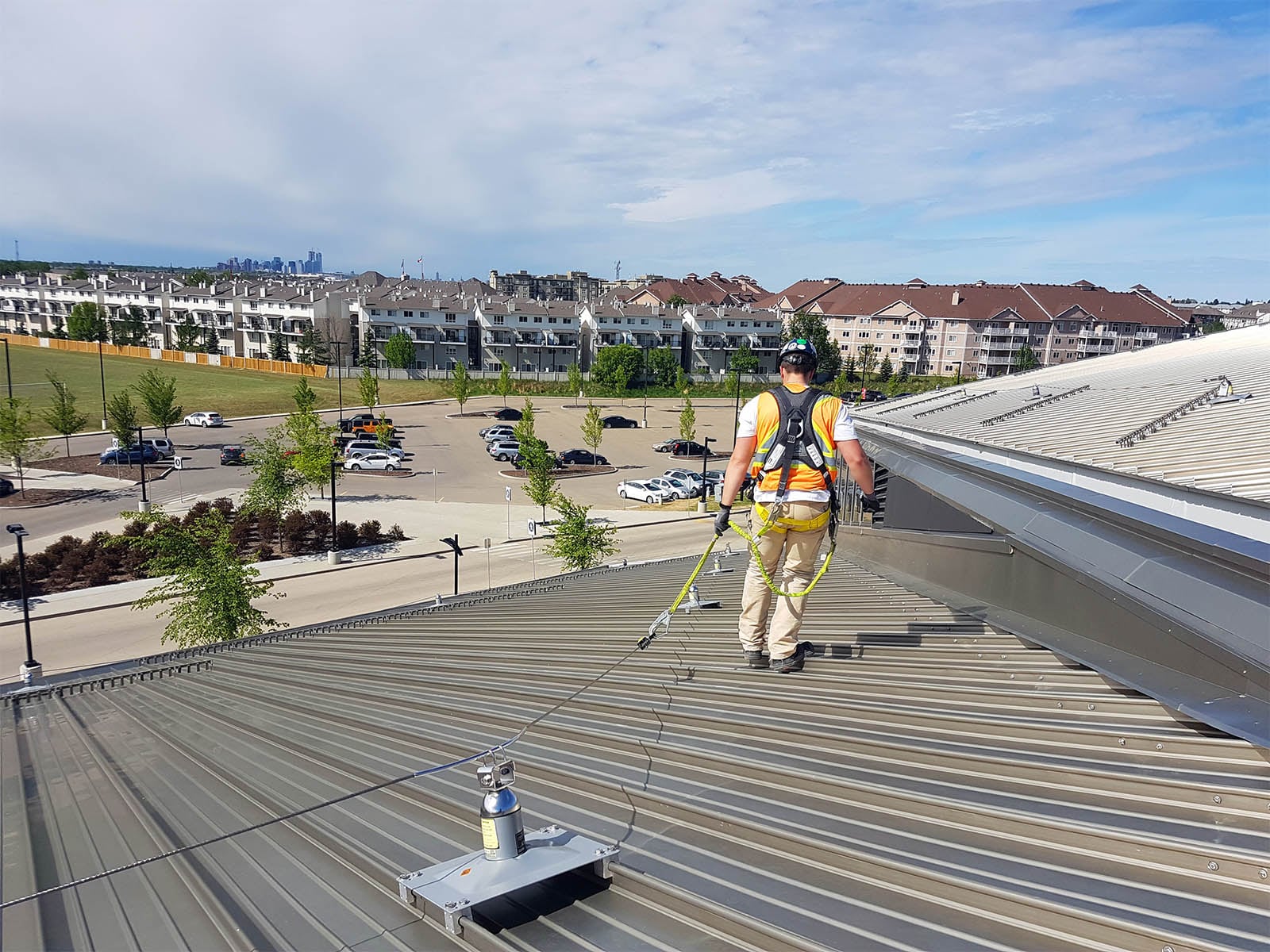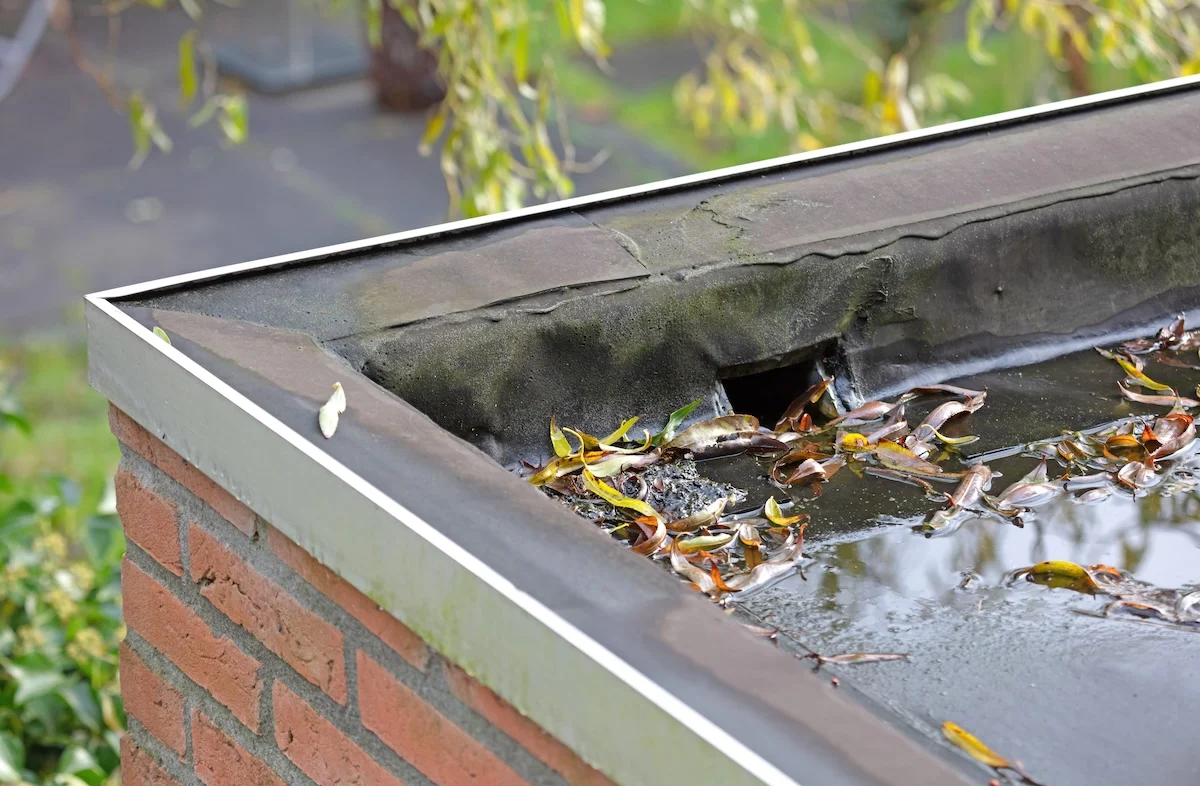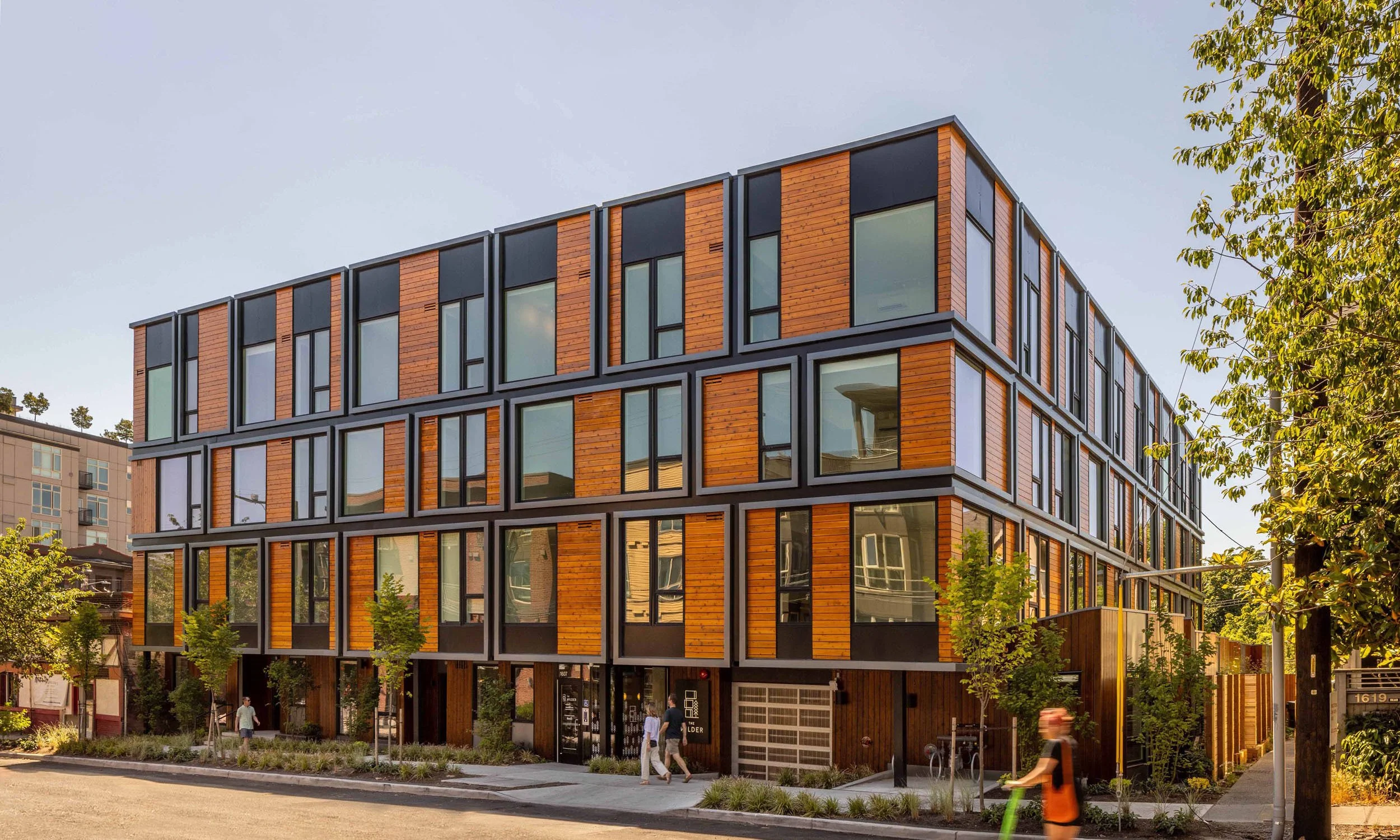
Greystar's extensive apartment portfolio in the Fresno market includes several large communities along the north Fresno and Clovis corridors, and their management standards reflect the institutional-grade maintenance expectations that define professional multifamily roofing work. Apartment and mixed-use residential buildings in Fresno present a roofing challenge distinct from commercial office or warehouse work: occupied units are directly below the work zone, residents have no alternative location during the work day, and the scheduling, notification, and noise management requirements are regulated both by lease agreements and by municipal codes governing construction disturbance.
Scheduling around occupied units is the primary planning challenge for Fresno multifamily re-roofing projects. Contractors typically agree with property management to restrict the noisiest work — jackhammering up tile, tearing off existing membrane, mechanical fastening — to weekday hours between 7 AM and 5 PM, avoiding weekend work that generates tenant complaints and lease enforcement issues. In complexes where a significant percentage of residents work from home, property management increasingly negotiates weekend work windows for the quieter phases — material staging, insulation installation, membrane welding — to spread the disruption across fewer concentrated weekday periods. Written notice to all affected residents at least 72 hours before work on their building section begins is standard practice and is often required by California habitability regulations.
HOA and property management coordination for Fresno multifamily re-roofing projects involves navigating the multi-party decision-making that characterizes condo associations and professionally managed apartment communities. For condo complexes, the HOA board must formally approve the re-roofing contract, typically requiring competitive bids and a membership vote above a defined expenditure threshold. For apartment communities managed by firms like Greystar, the property manager has authority to approve maintenance contracts but must report capital expenditures above a defined threshold to the asset owner. Contractors who can provide clear, professional proposals with manufacturer warranty options, phasing plans, and resident communication templates help property managers streamline the approval process.
Fire-rated roof assemblies are required for Fresno's multifamily buildings under California Building Code. Type III-A and Type III-B construction common in Fresno apartment complexes requires Class A fire-rated roof assemblies, and both TPO and modified bitumen systems can be assembled in Class A configurations with appropriate insulation and deck layers. Contractors replacing roofs on Fresno apartment buildings must verify the fire rating classification of the existing assembly before specifying replacement components, ensuring that the new system maintains or improves upon the fire rating of the original construction.
Balcony and deck waterproofing is a related but distinct scope item that arises during many multifamily re-roofing projects in Fresno. California's SB-326 and SB-721 inspection requirements for exterior elevated elements have driven increased attention to balcony structural and waterproofing conditions in multifamily buildings statewide, and Fresno property owners are increasingly discovering that balcony deck waterproofing has failed in ways that threaten structural integrity. Roofing contractors with experience in traffic-bearing waterproofing systems for concrete balcony decks are well-positioned to address this adjacent scope while mobilized for the main roof replacement, reducing overall project costs through shared mobilization.
Resident notice procedures for Fresno multifamily projects are shaped by California's Tenant Protection Act and by local Fresno ordinances governing construction activities near residential occupancies. Written notices must describe the work scope, identify the daily work window, specify the expected duration of the building section's work, and provide a contact for resident questions. For communities with significant non-English-speaking populations — Fresno has large Spanish and Hmong-speaking resident communities — bilingual notices in Spanish and English are standard practice, and Hmong language notices are appropriate for communities in north Fresno where Hmong-American residents are a significant tenant demographic.
Insurance claims management for Fresno multifamily roofing often involves the community's property insurance policy rather than the owner's capital budget, particularly after hail or windstorm events. Contractors who can provide professional storm damage documentation — geotagged photos, impact pattern analysis, hail size documentation — support the property manager's insurance claim and accelerate coverage determinations. California's hail frequency is lower than the Midwest, but wind events and the occasional Central Valley thunderstorm do cause insurable damage to Fresno apartment roofs. Contractors with established relationships with insurance adjusters in the Fresno market can streamline the claim-to-repair cycle for property managers dealing with storm events.
Phased replacement planning is essential for Fresno apartment complexes with mixed-age building stock. Many Fresno communities were built in phases over multiple decades, and the 1980s-era buildings in a community may need immediate replacement while the 1990s and 2000s-era buildings have five to ten additional years of service life remaining. A comprehensive roof condition assessment that provides an asset-by-asset priority ranking and estimated replacement cost allows property management to budget phased replacements that address the most urgent needs first without overextending capital budgets in a single year.
California contractor licensing requirements for multifamily roofing in Fresno include the C-39 Roofing classification and, for balcony waterproofing work, potentially the C-33 Painting or C-61/D40 Waterproofing specialty classifications. Workers' compensation is mandatory under California law, and compliance verification is a prerequisite for accessing any occupied residential building. Contractors serving Greystar and comparable institutional apartment operators in Fresno are typically required to carry $5 million in commercial general liability and to be registered in ISNetworld or comparable safety management platforms.
- What notice requirements apply to multifamily re-roofing in Fresno, California?
- Written notices at least 72 hours before work on each building section are standard and often required by California habitability regulations. For Fresno communities with significant non-English-speaking populations, bilingual Spanish-English notices are standard practice, with Hmong language notices appropriate for north Fresno communities with substantial Hmong-American resident populations.
- How do California SB-326 and SB-721 affect Fresno multifamily roofing projects?
- These laws mandate inspection of exterior elevated elements including balcony decks, and failing balcony waterproofing is frequently discovered during multifamily re-roofing mobilizations. Contractors with traffic-bearing waterproofing experience can address this adjacent scope while mobilized for the main roof, reducing overall project costs through shared mobilization and setup.
- What fire rating is required for Fresno apartment building roofs?
- California Building Code requires Class A fire-rated roof assemblies for the Type III-A and III-B construction common in Fresno apartment complexes. Contractors must verify the existing assembly's fire rating classification before specifying replacement components to ensure the new system maintains or improves upon the original construction's fire rating.
- How are insurance claims handled for storm-damaged Fresno apartment roofs?
- Contractors provide professional storm damage documentation — geotagged photos, impact pattern analysis, hail size documentation — to support property manager insurance claims. While Fresno's hail frequency is lower than Midwest markets, wind events and occasional Central Valley thunderstorms cause insurable damage, and contractors with established insurer relationships streamline the claim-to-repair cycle.
- What contractor license is required for multifamily roofing in Fresno?
- A California C-39 Roofing license is required for membrane work, with C-33 or C-61/D40 classifications potentially needed for balcony waterproofing scope. Institutional apartment operators typically require $5 million in commercial general liability and ISNetworld or comparable safety platform registration as prerequisites for accessing occupied residential communities.