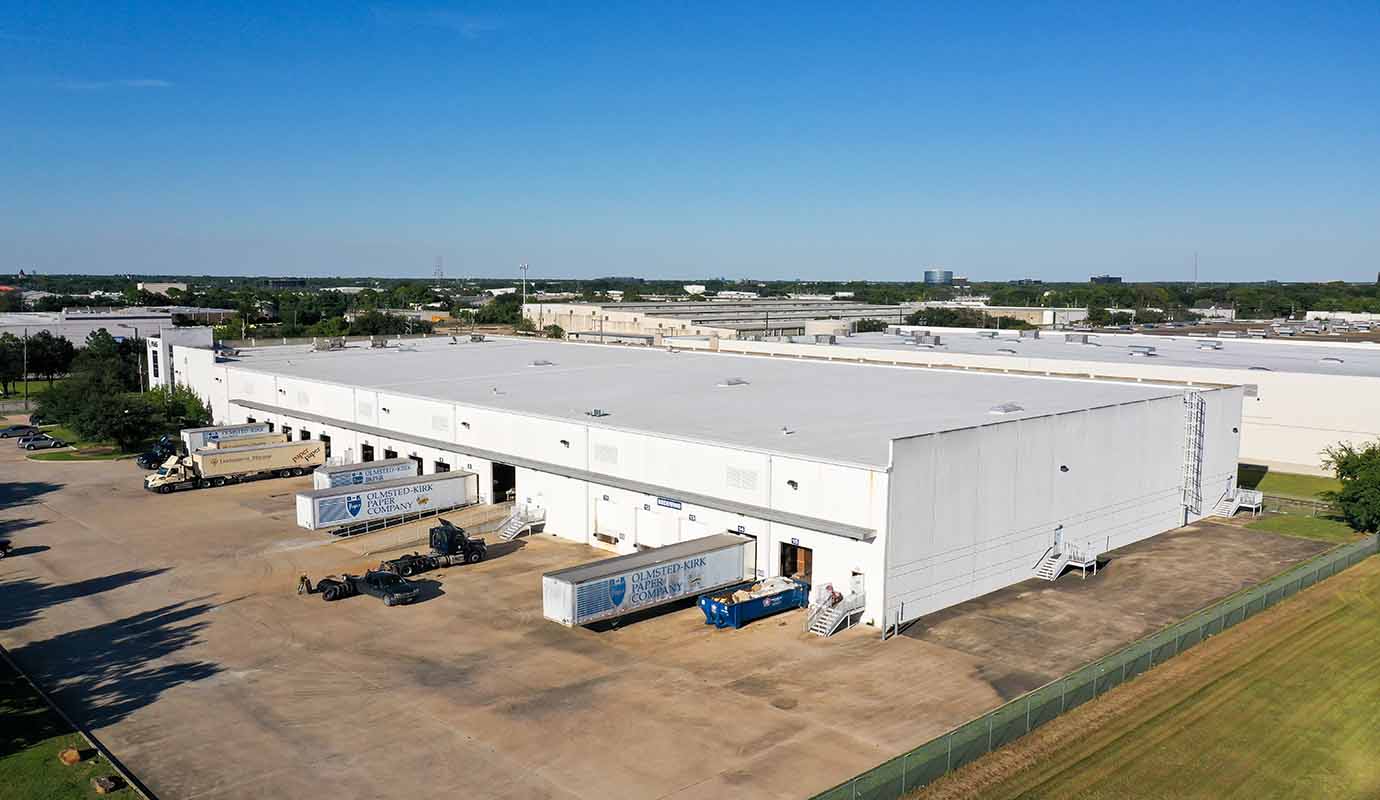
Stag Industrial REIT has maintained an active California acquisition program that includes Central Valley logistics and light industrial assets, and Fresno's position as the agricultural and distribution hub of the San Joaquin Valley has made it a target for industrial REITs seeking yield premiums that coastal California markets no longer offer. Asset managers overseeing commercial properties in Fresno operate under a distinct regulatory and climate context that sets this market apart from every other major California city. Title 24 of the California Building Standards Code imposes cool roof requirements on commercial re-roofing projects in the San Joaquin Valley's Climate Zone 13, mandating minimum solar reflectance and thermal emittance ratings that affect product selection, installation costs, and compliance documentation — and a Title 24 violation discovered during a property inspection or permit audit creates an immediate liability that must appear in investor disclosures.
Multi-property preferred vendor programs in Fresno deliver their most immediate value in regulatory compliance management. A commercial roofing contractor serving a REIT portfolio under a master service agreement can maintain consistent Title 24 compliance documentation across every project, ensure that product specifications meet current CEC-required cool roof ratings, and manage the building permit process on capital projects in a way that prevents the permit-avoidance shortcuts that private landlords sometimes take and that institutional owners cannot afford. For a REIT with five or ten commercial properties in Fresno, the compliance exposure from a single non-permitted re-roofing project — discovered during a transaction due diligence process — can derail a disposition or refinancing at exactly the wrong time.
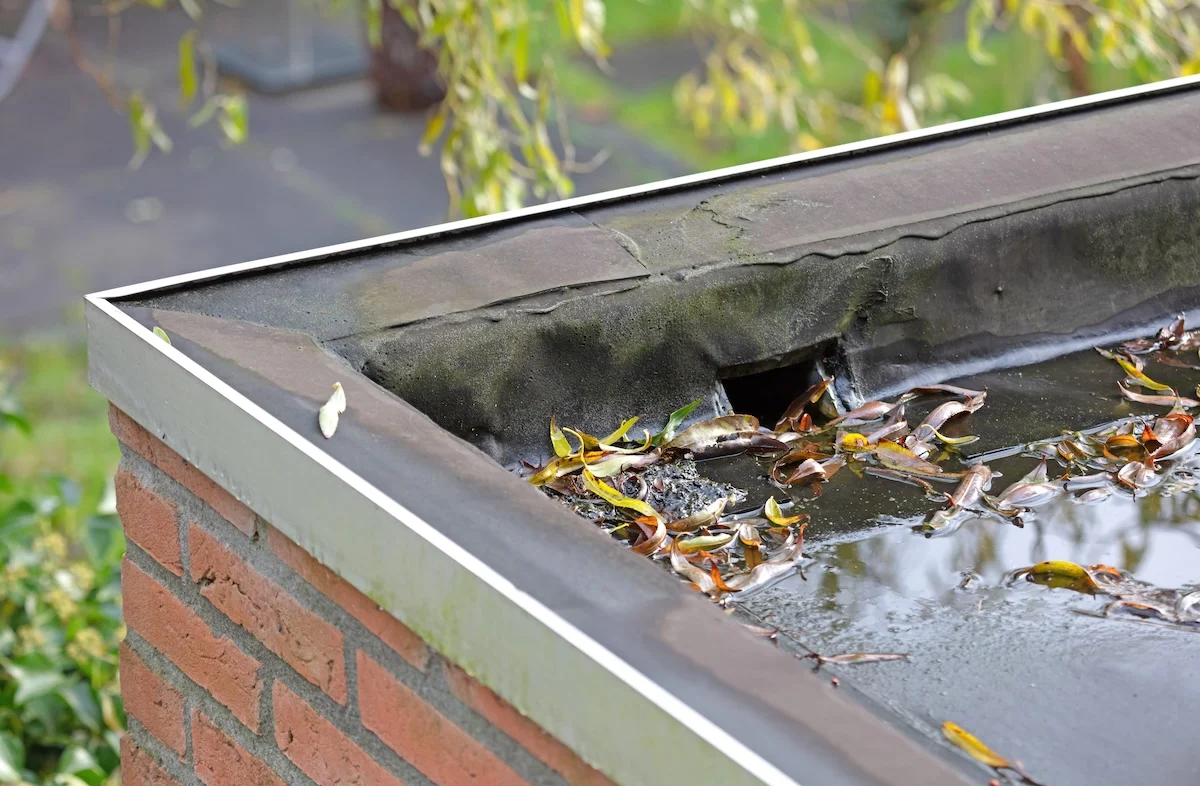
NOI protection in Fresno requires understanding how the Central Valley climate stresses commercial roofing systems. Fresno experiences extreme heat, with summer temperatures routinely exceeding 105 degrees Fahrenheit, followed by cold winter nights that create significant daily thermal cycling stress on roofing membranes. This extreme diurnal temperature range — sometimes exceeding 40 degrees within a 24-hour period — accelerates membrane aging, seam stress, and flashing deterioration faster than either a pure hot or a pure cold climate would produce individually. A reserve model built on national average service life assumptions for TPO or modified bitumen without a Central Valley climate adjustment will consistently underfund replacement reserves and produce investor reporting surprises.
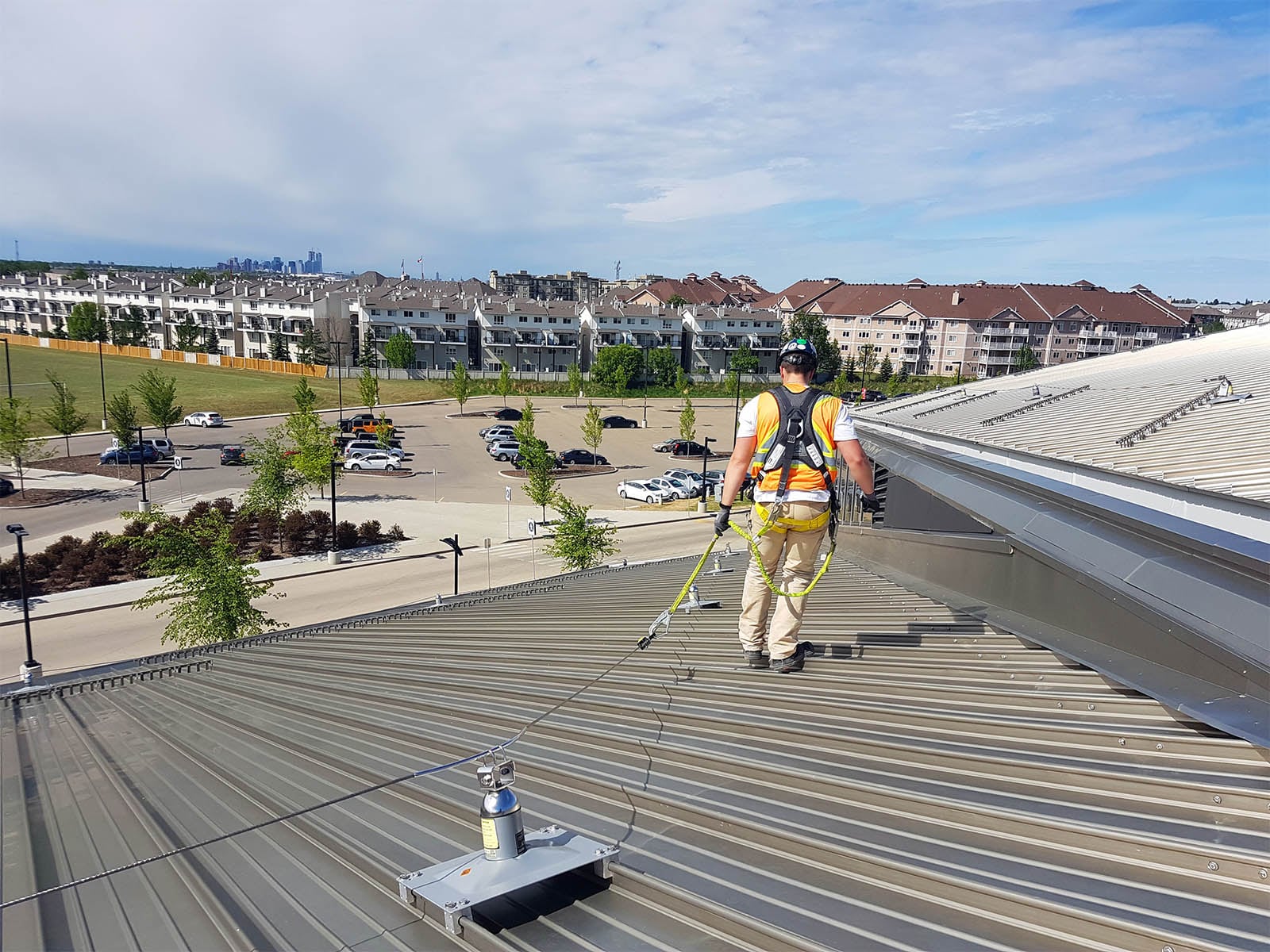
Ten-year CAPEX reserve modeling for Fresno commercial roofs should explicitly incorporate three Fresno-specific factors: shortened membrane service life due to extreme thermal cycling, Title 24 upgrade costs that apply to any re-roofing project regardless of whether the immediate driver is end-of-life or storm damage, and seismic preparedness for roof-mounted equipment anchoring that California code requires. Fresno sits in a seismically active region, and commercial roofs carrying HVAC equipment must have properly engineered equipment supports that are inspected and documented as part of any capital project. Current commercial roof replacement costs in Fresno run $11 to $16 per square foot, elevated by California labor costs and Title 24 product premiums over commodity roofing materials.
Property condition assessments for Fresno acquisitions should evaluate Title 24 compliance status as a primary finding rather than a footnote. If the existing roofing system predates Title 24's cool roof requirements and a re-roofing project is anticipated within the holding period, the PCA should flag the upgrade cost as a CAPEX requirement rather than treating it as an elective improvement. The compliance cost is triggered by the re-roofing event, not by a voluntary decision — and that distinction matters for how it appears in acquisition cost modeling and investor reporting. PCAs should also document the condition of seismically anchored roof equipment and note any deficiencies that could create liability or code violation exposure.
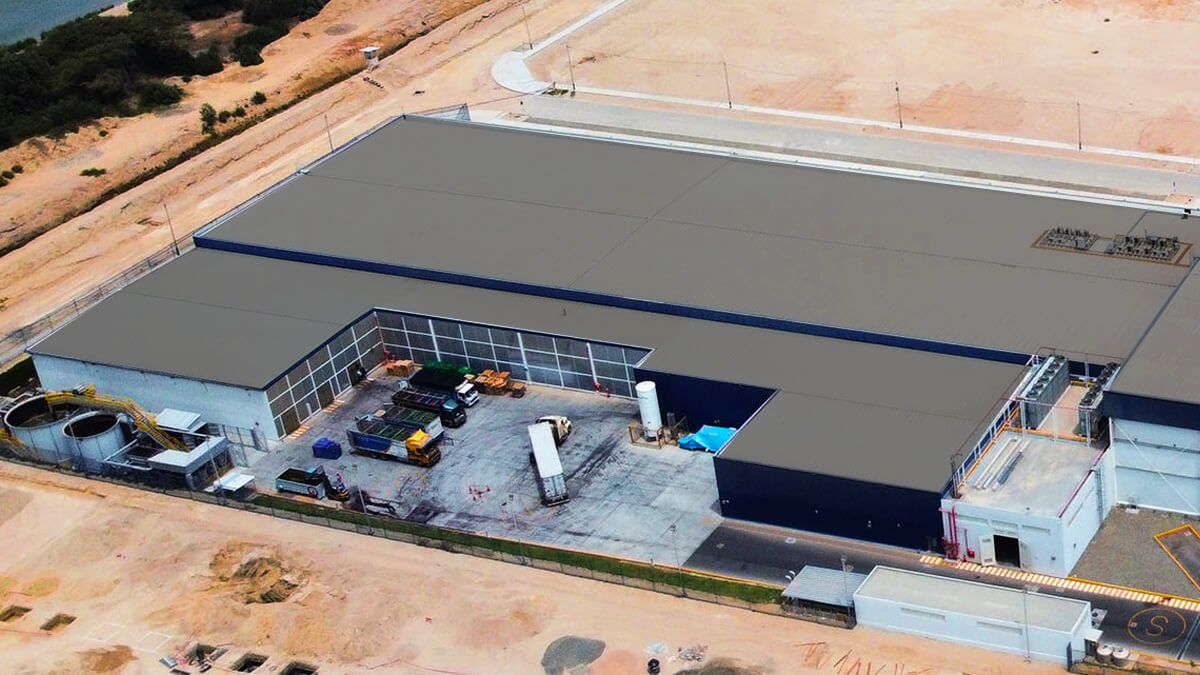
Fresno's commercial real estate market has absorbed growing industrial REIT investment as Bay Area and Los Angeles markets have priced institutional buyers toward secondary California markets. The I- 41 corridors host a growing inventory of distribution and cold storage assets serving agricultural processing and food distribution, and REITs acquiring these properties face roofing systems that may have been installed when the building was a single-tenant food processing facility and then modified for multi-tenant use without proper permit documentation. A thorough PCA for any Fresno industrial acquisition should trace the roofing system's permit history and identify gaps that need to be regularized before or shortly after close.
CapEx versus OpEx classification in Fresno is complicated by Title 24's effect on re-roofing scope. A project that might be classified as a maintenance repair in another state — patching and coating an aging single-ply membrane — can trigger Title 24's re-roofing requirements in California if the work exceeds defined thresholds, converting what the asset manager intended as a maintenance expense into a full replacement CapEx event. Your Fresno roofing contractor needs to understand this threshold and structure scopes of work in a way that either stays below it intentionally or, when full replacement is warranted, produces the Title 24 compliance documentation that supports capitalization and investor reporting.
Fresno's agricultural economy creates a specific commercial real estate tenant base — food processors, cold chain operators, agricultural equipment distributors — that places above-average mechanical loads on rooftops through ventilation equipment, cooling towers, and process exhaust systems. These penetrations multiply the number of rooftop flashings and sealant points that require regular inspection and maintenance. An MSA with a Fresno contractor that includes annual penetration inspection and sealant renewal as a standard preventive maintenance item reduces the cumulative failure risk from this above-average penetration density and generates the service records that demonstrate proactive management to both tenants and investors.
Institutional investors in REIT portfolios with California exposure increasingly track compliance and sustainability metrics as part of their portfolio review process. A Fresno commercial property with documented Title 24 compliant cool roofing, seismically anchored equipment, and an active preventive maintenance program under a preferred vendor MSA generates the data trail that supports GRESB reporting, green bond eligibility assessment, and the kind of asset-level disclosure that sophisticated institutional co-investors increasingly request. In a California market where regulatory compliance is the baseline expectation and documentation gaps carry real liability, a roofing program that produces systematic evidence of compliance is an asset management requirement, not a premium service.
- How does a multi-property MSA benefit a REIT with Fresno commercial holdings?
- An MSA in Fresno ensures consistent Title 24 compliance documentation across all projects, manages the building permit process to prevent non-permitted work exposure, and maintains seismic equipment anchoring inspection records that California code requires. For a REIT where a single compliance gap discovered during due diligence can derail a disposition, systematic compliance management across the portfolio is a direct financial protection.
- How does Title 24 affect NOI planning for Fresno commercial assets?
- Title 24 cool roof requirements are triggered by re-roofing events, converting what might otherwise be a partial repair into a full compliance upgrade. Failing to model this in CAPEX reserves means that a Year 8 roof repair is actually a Year 8 full-replacement event with a Title 24 product premium — a gap that appears as an unplanned capital call against distributions when it is not reserved in advance.
- What CAPEX reserve adjustments are specific to Fresno's climate and regulatory environment?
- Reserves should shorten service life assumptions for TPO and modified bitumen membranes due to extreme thermal cycling, add a Title 24 upgrade cost premium to all replacement events (typically 8–12% over commodity product pricing), and include a seismic equipment anchoring inspection allowance. Current Fresno replacement costs of $11–$16 per square foot should be used rather than national averages.
- What PCA requirements are unique to Fresno acquisitions?
- The PCA should evaluate Title 24 compliance status and flag any non-compliant system as a triggered CAPEX item, trace the permit history of the existing roofing system for any unpermitted modifications, assess seismic anchoring of roof-mounted equipment, and include an estimate of the Title 24 upgrade cost required when the next re-roofing event occurs during the planned holding period.
- How does California's re-roofing permit threshold affect CapEx versus OpEx classification in Fresno?
- California's Title 24 triggers apply once repair or replacement work exceeds specified thresholds of the total roof area. A contractor who understands this threshold can structure maintenance work to stay below it when full replacement is not yet warranted, preserving OpEx treatment. When replacement is appropriate, the contractor must produce Title 24 compliance documentation that supports capitalization of the full project cost.