Cinema Roofing in Fresno Starts With the Span Over the Seats
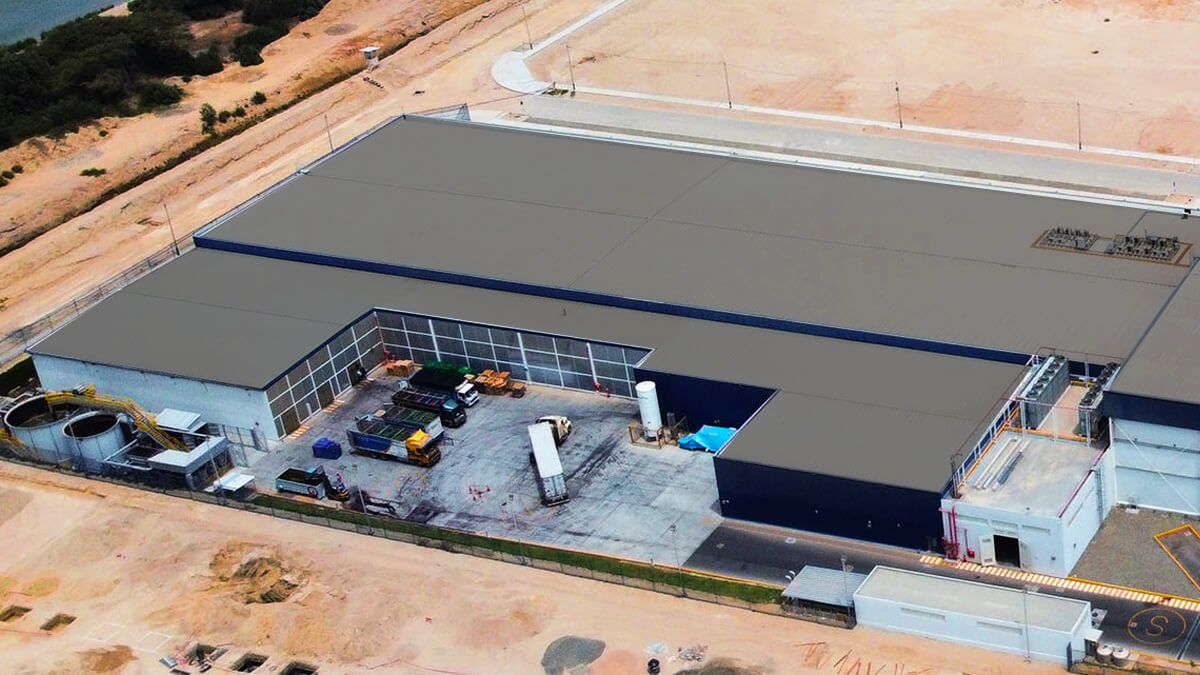
A movie theater roof is defined by what it has to span. The big auditorium bays carry long-span, low-slope decks with no intermediate columns, often 80 to 150 feet clear in a multiplex, and those spans behave nothing like the short bays over a retail box. The deflection they carry, the way they hold sound and insulation, and the dense rooftop mechanical that conditions a full house all set cinema roofing apart. We roof multiplexes, independent houses, and entertainment buildings around Fresno, and we spec the fastening and attachment to the actual deck and span rather than pulling a pattern off a strip-center template.
Fresno gives cinemas a strong footing. The entertainment and retail anchors around River Park and the Manchester Center area, the commercial draw along Blackstone Avenue, and a metro that pulls evening traffic off the Highway 99 corridor keep auditoriums full into the late hours. The Valley climate then works the roof hard, loading acres of low-slope membrane under months of intense sun before winter rain probes every seam and drain on a deck that has to stay watertight over a packed room.
Long-Span Decks, Sound, and Insulation
The structural and acoustic realities of an auditorium roof drive the system from the start.
- Clear-span deflection. Long auditorium spans flex more than a short retail bay, so fastener density and insulation attachment are set from the real deck type and span, and on spans where deflection is a concern we may move to an adhered or hybrid system to avoid concentrating point loads at seams.
- Sound and thermal performance. The roof assembly is part of how the auditorium controls outside noise and holds conditioned air for a full house, so insulation and attachment are specified with both acoustic and energy performance in mind, not just water resistance.
- Deck verification before attachment. Older steel deck with short ribs has lower fastener pull-out than modern deep-rib deck, so we confirm deck type and gauge, and pull-test where needed, before committing to mechanical attachment.
Membrane We Specify for a Multiplex
The common cinema specification in Fresno is 60-mil or 80-mil TPO mechanically attached over tapered polyiso. Tapered insulation corrects the drainage that flattens out on decades-old theater roofs, and white TPO meets the cool-roof energy requirements most jurisdictions now apply to commercial reroof permits. Around the rooftop units we add reinforced walkway pads so HVAC service crews are not wearing out the membrane on their service routes.
Dense Rooftop HVAC for a Full House
Rooftop mechanical on a theater is concentrated and heavy. Each auditorium typically gets its own dedicated unit to handle peak occupancy, and on top of that there is concessions exhaust, lobby heating vents, and condensers for the walk-in coolers feeding food service. The penetration cluster on a typical Fresno multiplex rivals a hospital or data center, and every curb, duct, and conduit run is individually flashed and documented before new membrane goes over it.
Deck Type and What Goes Over It
Cinema construction is usually steel deck or concrete deck over structural steel, and each substrate calls for a different attachment approach. Steel deck takes mechanical attachment directly, while concrete favors adhered or ballasted systems where loads allow. On any reroof we start with a core sample to confirm the existing layers, moisture content, and weight-in-place before recommending a recover or a full replacement.
Keeping Outside Noise Out of the Auditorium
Sound control runs in both directions on a theater roof. The auditorium has to keep its own audio in and keep outside noise out, and on a low-slope roof the assembly itself is part of that barrier. A thin or poorly attached system over a long-span deck can drum under heavy Valley rain or transmit aircraft and traffic noise into a quiet scene, which is exactly the kind of distraction that pulls an audience out of a film. We specify insulation thickness and attachment with acoustic mass in mind, not just thermal value, and we pay attention to how rooftop units are isolated so equipment vibration does not telegraph into the rooms below. The result is a roof that holds conditioned air for a full house and keeps the soundtrack to what is on the screen.
Drainage on a Decades-Old Flat Roof
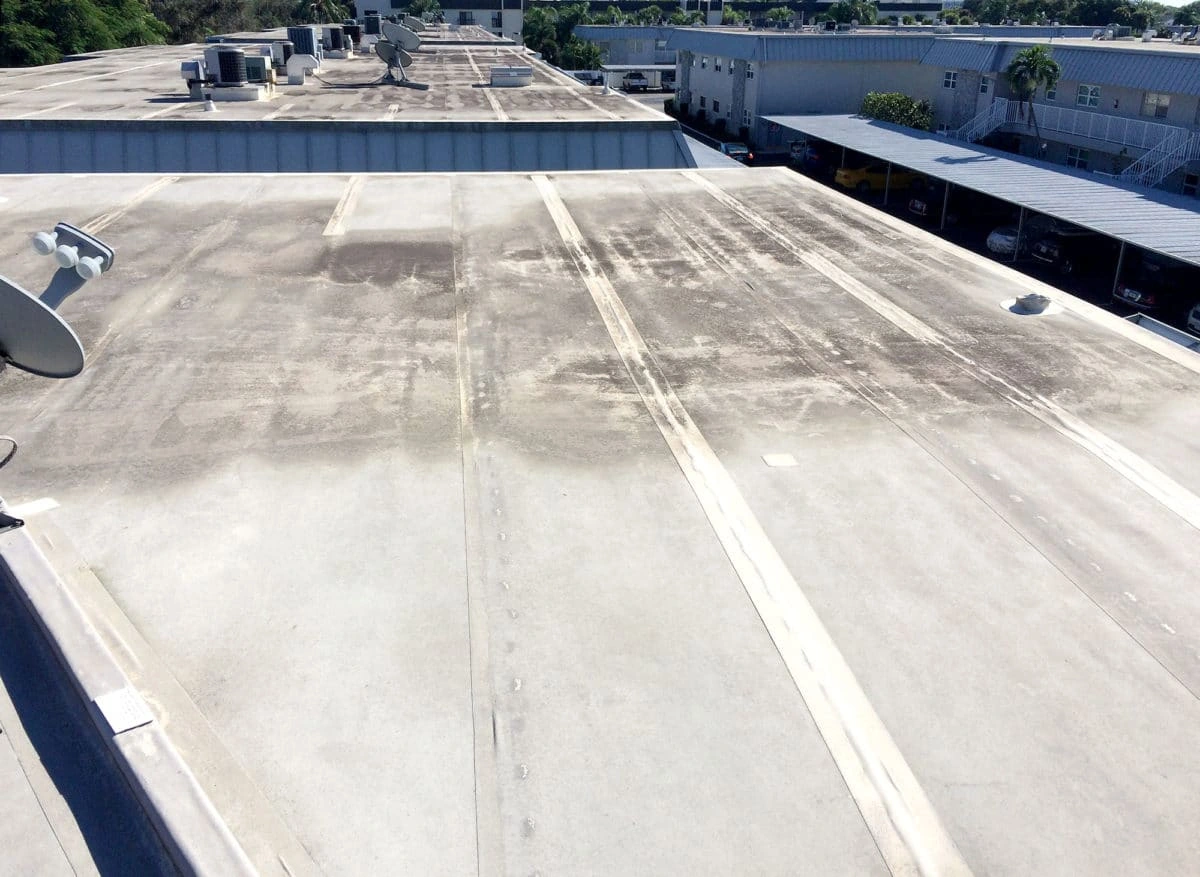
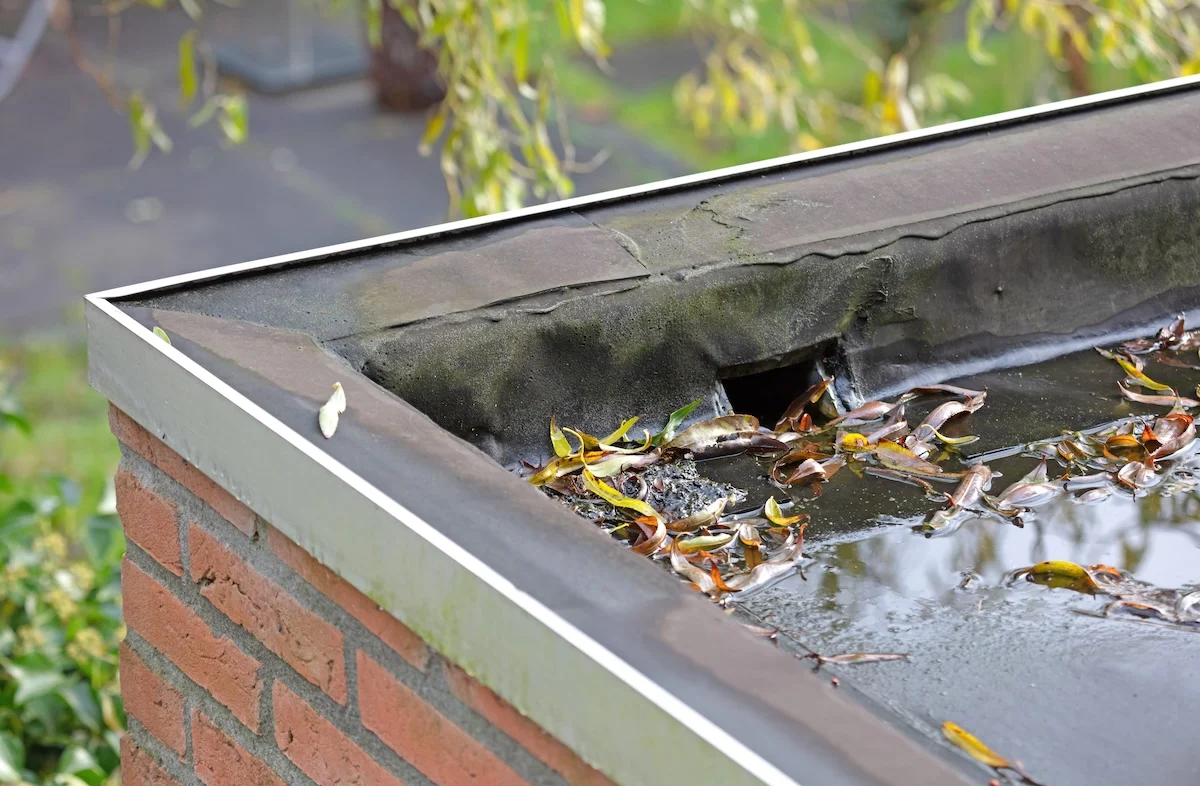
The flat decks over theater auditoriums tend to lose what little slope they had as the building ages and the structure settles, and the result is ponding that sits for days after Fresno's winter storms. Standing water is the single biggest reason an older cinema roof fails early, accelerating UV breakdown and loading the deck with weight it was not meant to carry full-time. Tapered insulation is the fix, rebuilding positive slope to the drains and scuppers so water actually leaves the roof, and on a multiplex with several large bays the tapered design has to account for each bay's drainage independently. We map the existing low spots during the roof walk and design the tapered system around where water is actually pooling, not around an idealized drawing.
Working Around the Evening Show Schedule
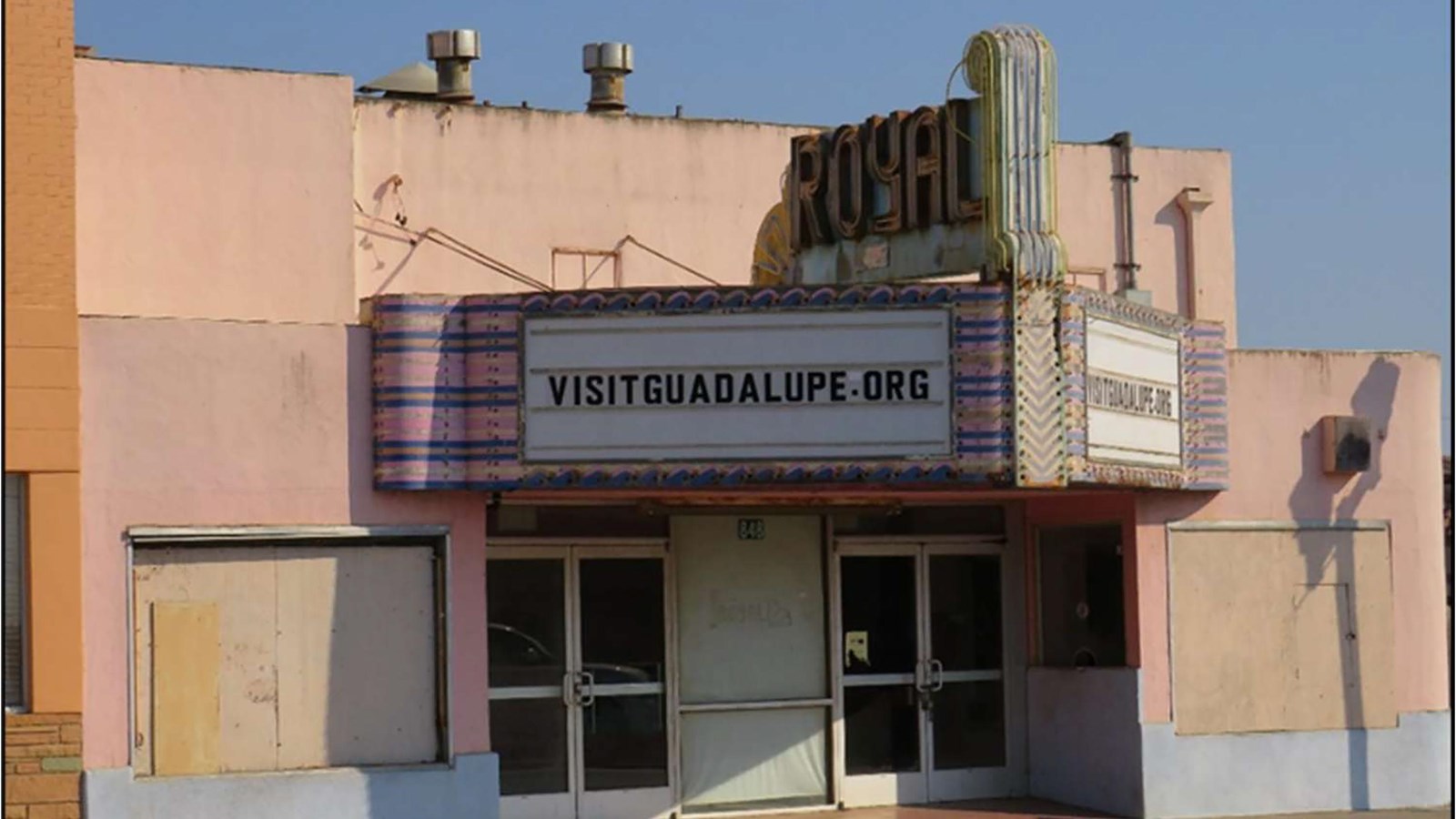
Theaters run from afternoon into the late night, seven days a week, so the scheduling looks like a 24-hour building. We sequence tear-off and dry-in so every section is watertight before the evening screenings start, coordinate any HVAC shutdown needed for curb or penetration work, and keep the crew clear of evening opening procedures, marquee electrical, and entry foot traffic. The marquee and entry canopy connections, a chronic leak source on older theaters, get re-flashed as their own scope items.
Movie Theater Roofing Questions
What membrane do you put on a multiplex?
Most commonly 60-mil or 80-mil TPO mechanically attached over tapered polyiso. Tapered insulation corrects the drainage that flattens out on older theater roofs, and white TPO meets the cool-roof energy code most jurisdictions now apply to reroof permits. We add reinforced walkway pads around rooftop units to protect the membrane from service traffic.
How do you handle the long-span auditorium decks?
Long-span steel deck needs fastener patterns and pull-out testing matched to the rib depth and gauge, so we verify the deck before specifying attachment. Where deflection is a concern we may use an adhered or hybrid system to avoid concentrating fastener point loads at seams.
Can the work happen without disrupting showtimes?
Yes. We plan around the screening schedule and evening operations, sequencing tear-off and dry-in so each section is watertight before evening shows, and coordinating any HVAC shutdown needed for curb or penetration work.
How do you price a cinema reroof?
By the roof square, based on membrane spec, existing assembly condition, penetration density, and access. Most multiplex reroofs include tapered insulation, which adds cost but extends membrane life by ending ponding. We give a fixed-price proposal after a roof walk and core sample.
Do you handle the marquee and entry canopy connections?
Yes. Marquee and canopy attachment points that penetrate the membrane are treated as individual flashing items, and entry canopy-to-building transitions, a common chronic leak on older theaters, are evaluated and re-flashed as part of the project.
Get a Cinema Roof Scope Built for Your Building
We will walk your auditorium decks, core the assembly, inventory the rooftop mechanical and canopy connections, and deliver a plan that respects the span, the sound, and the show schedule that keep your house running.