Fresno's Central Valley hospitality sector has expanded steadily as the region draws agricultural industry travelers, San Joaquin Valley business visitors, and gateway tourism heading toward Yosemite and Sequoia. Full-service hotels along Shaw Avenue and the Manchester Center corridor host large volumes of conference and leisure guests year-round, and the roofs above those properties work as hard as any structure in the building. With summer temperatures regularly exceeding 105 degrees Fahrenheit, low-slope roof membranes on Fresno hotels absorb extraordinary radiant loads, accelerating degradation of aged built-up systems and pushing HVAC equipment harder than it would run in milder climates.
Property Improvement Plans are a consistent driver of hotel roofing projects in Fresno. When franchise brands such as Hilton Garden Inn, Marriott Courtyard, and Hampton Inn require owners to bring properties up to current brand standards, the scope frequently includes rooftop mechanical upgrades, re-screening of HVAC curbs, and full membrane replacement. Completing those PIP requirements on schedule matters enormously in a market where flag relationships determine rate competitiveness. A Fresno hotel operator who delays a roof replacement risks failing a quality assurance inspection at a time when the Valley's extended tourism season is already under way.
The agricultural calendar shapes Fresno's hotel demand in ways that directly affect construction scheduling. Peak occupancy arrives in late spring with Blossom Trail visitors and runs through the Raisin Festival harvest season into fall. Skilled roofing contractors working on Fresno hotels plan membrane installations and tearoffs for January through early March, when occupancy drops and the dry Central Valley weather still cooperates. Noise from pneumatic equipment and generator-powered kettles travels easily through interior corridors, so crews working on occupied properties use pre-dawn staging, rubber-wheeled material carts, and sequential bay installation sequences that keep work zones at least two room bays away from occupied floors.
TPO membrane systems have become the specification of choice for most Fresno limited-service hotels over the last decade. White or light-gray TPO reflects the intense summer solar radiation, measurably reducing cooling loads on properties where rooftop HVAC condenser banks are already stressed by ambient temperatures. Fully adhered TPO over polyisocyanurate insulation delivers the R-value improvements that many PIP checklists now require, and the weldable seams hold up well through the freeze-thaw cycles that Fresno can see during January cold snaps. Extended-stay properties in the north Fresno corridor near Highway 99 have benefited particularly from this system because their flat roofs carry heavy equipment loads from added laundry and kitchen ventilation.
Pool deck roofing and waterproofing at Fresno hotels requires specialized attention beyond standard membrane work. Most full-service properties along Van Ness and Palm avenues operate outdoor pools that are engineered into podium decks above parking structures or mechanical rooms. The waterproofing assembly beneath those deck finishes takes the combined punishment of pool water chemistry, foot traffic, California seismic movement, and Fresno's wide diurnal temperature swings. A failed deck membrane under tile or pavers can go undetected for months before interior water damage signals the problem, which is why annual probe inspections and five-year full replacement cycles are standard practice for well-managed Fresno hotel assets.
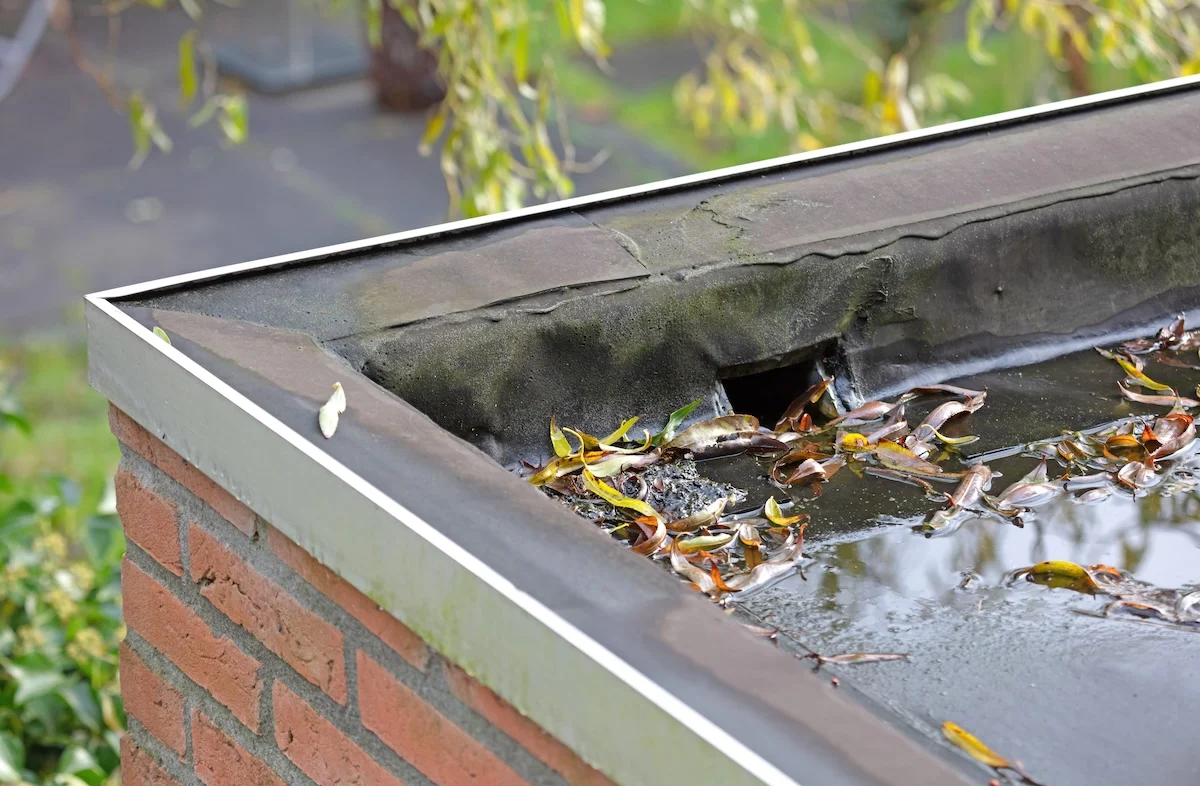
Emergency roofing response in Fresno most often follows the intense but brief thunderstorm cells that move across the Valley floor in late summer. Unlike coastal California markets, Fresno can receive two inches of rain in under an hour from a monsoonal surge, overwhelming internal roof drains that were partially blocked by cottonwood seed accumulations from the season. A standing water event on a flat hotel roof is not merely a maintenance nuisance — it puts immediate weight stress on decking, threatens electrical conduit penetrations, and can push water through HVAC curb flashing gaps into ceiling plenums above guest rooms. Hotels that maintain active service agreements with local roofing contractors get same-day tarp and drain-clearing response rather than waiting in a general emergency queue.
Fresno's branded franchise hotels face a layered inspection environment that includes both franchisor QA audits and California's Title 24 energy compliance requirements. Roof assemblies that fail to meet the Cool Roof Rating Council's reflectance minimums can trigger Title 24 compliance failures during permit inspections, which delays certificate of occupancy issuance on renovation projects. Roofing contractors experienced in the Fresno market understand that submittals for hotel work must include manufacturer data sheets meeting CEC-approved product listings, and that the plan check process through the City of Fresno Development and Resource Management department moves faster when the roofing scope is packaged with the broader PIP permit application.
Preventive maintenance contracts for Fresno hotel roofs typically include three annual visits timed around the seasons: a spring inspection after the brief rainy period to document winter damage, a midsummer inspection to assess membrane blistering and lap seam condition after peak thermal stress, and a pre-winter inspection to clear drains and seal any penetrations before the December-January rain window. Hotels that skip this cycle generally discover the cost in the form of saturated insulation, which on a 20,000-square-foot low-slope roof can represent tens of thousands of dollars in added tear-off weight charges and disposal costs when replacement eventually becomes necessary.
Guest satisfaction scores at Fresno hotels correlate more closely with roofing and waterproofing performance than most asset managers initially expect. A single water intrusion event in a guest room during a peak occupancy weekend generates online reviews that persist for years, affects OTA ranking algorithms, and triggers franchisor incident reports. Operators who invest in robust maintenance programs — core samples every three years, infrared moisture surveys after significant rain events, and documented drain cleaning logs — protect not just the physical asset but the revenue-generating reputation of the property in a market where Fresno's growing convention business increasingly rewards hotels with consistent quality scores.
- How does Fresno's summer heat affect hotel roof membranes?
- Sustained temperatures above 100 degrees accelerate oxidation of aged built-up systems and can cause blistering in improperly adhered TPO or EPDM membranes. Specifying high-reflectance white TPO with an ENERGY STAR rating reduces surface temperatures by up to 50 degrees compared to dark-surface assemblies, significantly extending membrane service life in the Central Valley climate.
- When is the best time to replace a hotel roof in Fresno without disrupting guests?
- January through mid-March offers the optimal window: occupancy is lowest, the rainy season is typically winding down, and temperatures allow adhesive and welding work to cure properly. Coordinating the roofing scope within a broader PIP project during this window allows a single mobilization that covers mechanical, roofing, and façade work simultaneously.
- What are the PIP roofing requirements for Fresno franchise hotels?
- Most major flags now require minimum R-25 insulation values and CEC-approved cool roof products for California properties. Franchisor checklists increasingly include re-screening of HVAC curbs, replacement of pitch pans with manufactured pipe boots, and documented waterproofing warranties from the manufacturer rather than contractor-only guarantees.
- How do I handle a roof leak emergency at my Fresno hotel during peak occupancy?
- A retained service agreement with a local commercial roofing contractor guarantees priority response, typically within two to four hours for active leaks. Immediate steps include moving guests from affected rooms, placing containment under ceiling penetrations, and calling the contractor before the leak spreads laterally through insulation — lateral migration makes repairs far more extensive than the original breach.
- Does Fresno's seismic activity affect hotel roof systems?
- Minor seismic events can stress rigid insulation boards at parapet transitions and crack caulked expansion joint covers that were already aging. Hotels on podium-deck construction are most vulnerable because the roof and deck waterproofing assemblies move independently during tremors. Annual inspection of expansion joints and parapet cap flashings is the most cost-effective mitigation strategy.