Roofing Over Sensitive Lab Space in Fresno Where a Leak Is Not an Option
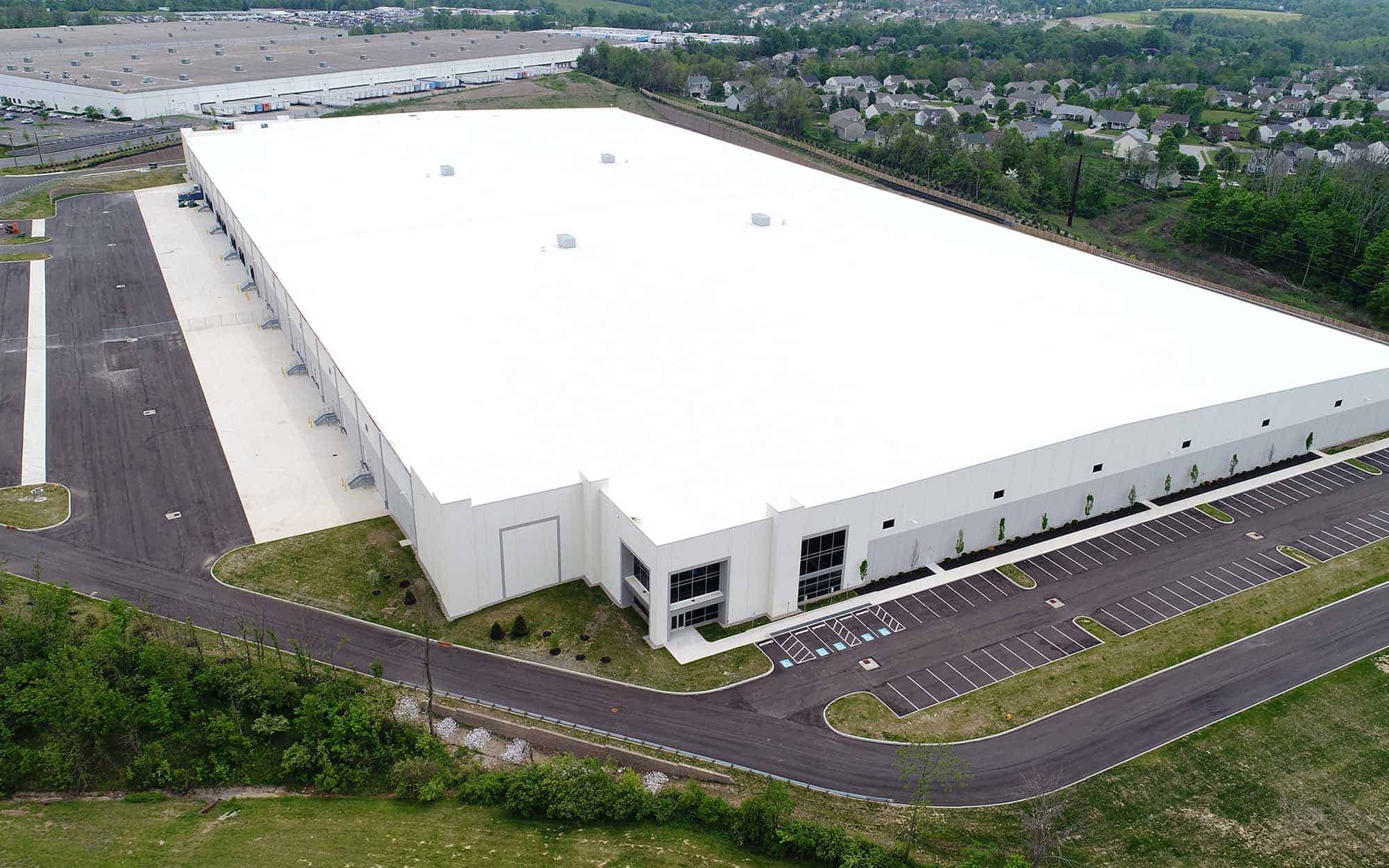
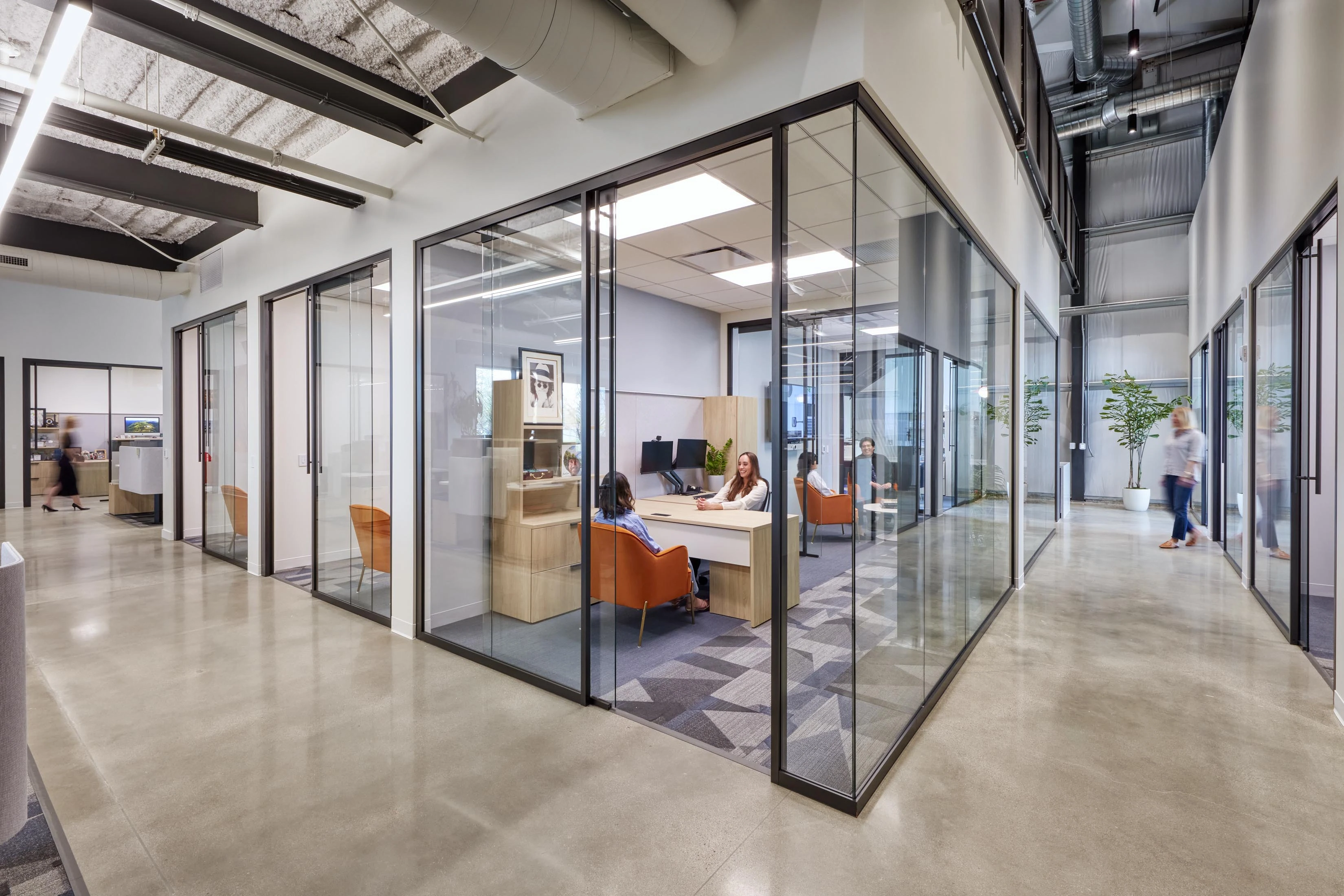
A pharmaceutical or laboratory roof is judged by a single standard: nothing gets through to the equipment below. A drip over a balance, an analyzer, a cleanroom, or a cold-storage vault is not a maintenance ticket, it is a quarantined batch, a contamination investigation, and a regulatory report. We roof drug-compounding suites, clinical and analytical labs, biotech research space, and life-science buildings around Fresno, and we plan every one of them so the worst case never happens rather than scrambling to fix it after it does.
Fresno's life-science demand sits inside a broader medical and research base. The hospital and outpatient cluster driven by the Community Medical Centers campus near downtown, the research and teaching environment tied to UCSF Fresno and Fresno State, and the lab and diagnostic tenants scattered through the medical-office corridor along Herndon Avenue all generate buildings full of equipment that cannot tolerate water. Add a Valley climate that delivers months of relentless solar load and then dumps winter rain, and the roof becomes the one barrier protecting millions of dollars of instrumentation and product.
Cleanroom HVAC Curbs and the Pressure You Cannot Disturb
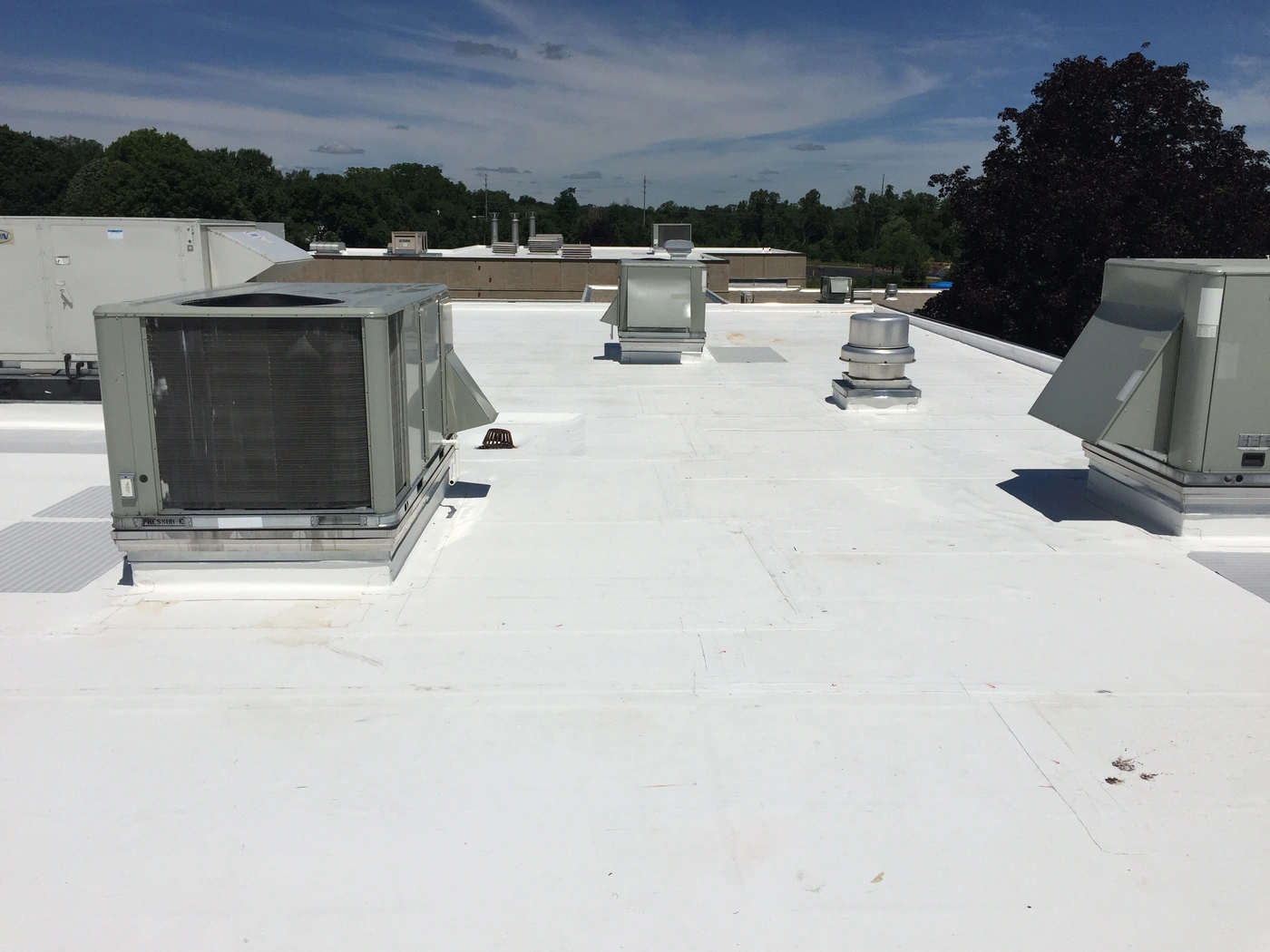
The rooftop of a lab building is dense and unforgiving. Air handlers maintaining ISO-classified cleanroom pressure, fume-hood and chemical exhaust stacks, HEPA-filtered biosafety exhaust, and building-automation conduit all break the roof plane in tight clusters. The cleanroom HVAC curbs are the heart of the problem, because the pressure differential between classified spaces has to hold even while we flash around the equipment that maintains it.
- Pressure-differential coordination. Any flashing work near cleanroom supply or exhaust connections is scheduled with the facility's MEP team and timed to maintenance windows, with pressure recovery confirmed before the area is signed off.
- Corrosive exhaust fallout. Solvent and acid vapor from lab exhaust stacks condenses and drips onto nearby membrane, creating localized chemical attack that standard warranties exclude. We identify the exhaust chemistry before specifying membrane in those zones.
- Contamination control during work. Tear-off and re-flash near critical air paths is sequenced and contained so dust and debris never migrate into the air distribution serving classified space below.
Membrane and Detailing for Lab Conditions
For lab and pharmaceutical roofs we favor 60-mil PVC for its chemical resistance, and in the zones immediately around solvent or acid exhaust stacks we step up to a reinforced membrane with higher plasticizer density confirmed against the manufacturer's chemical-resistance guide. Standard TPO does not belong next to a corrosive exhaust stream. Around every cleanroom curb we build redundancy into the flashing because the cost of a single failed detail is measured in the equipment underneath it, not in square footage.
Access, Credentialing, and Working a Regulated Campus
Showing up to a pharmaceutical campus without cleared credentials wastes a mobilization day and can trigger a compliance event. Active manufacturing and compounding sites carry FDA facility standards, and controlled-substance areas can add DEA security requirements that dictate who is allowed on the roof, when, and with what documentation. We start credentialing and background coordination during preconstruction, typically a few weeks out, so the whole crew is cleared before the start date and escort and access rules are written into the coordination plan, not discovered on day one.
Scheduling Around Validated Operations
Validated processes and continuous environmental monitoring mean we work around the facility's calendar, not ours. Penetration work near critical HVAC is tied to planned maintenance windows, and we keep direct contact with facilities and EHS so any temporary change to a monitored space is coordinated and verified.
Cold Storage Vaults and Vapor Control
Many Fresno lab and pharmaceutical buildings carry refrigerated and ultra-low-temperature storage on the production side, from stability chambers to walk-in vaults holding product and reagents. The roof over those spaces faces the same vapor-drive problem as any cold-storage assembly, but with stakes set by the value of what is inside. If the assembly's thermal continuity breaks, condensation forms inside the insulation and on the cold side of the deck, corroding steel and degrading R-value with no surface leak to signal the problem until product or equipment is already at risk. We design tapered insulation over refrigerated zones around the actual operating temperatures and confirm the vapor-retarder strategy matches the Valley's drive direction, hot and dry outside against a cold interior, so the assembly stays dry through its service life.
Restoration Versus Replacement on an Occupied Lab
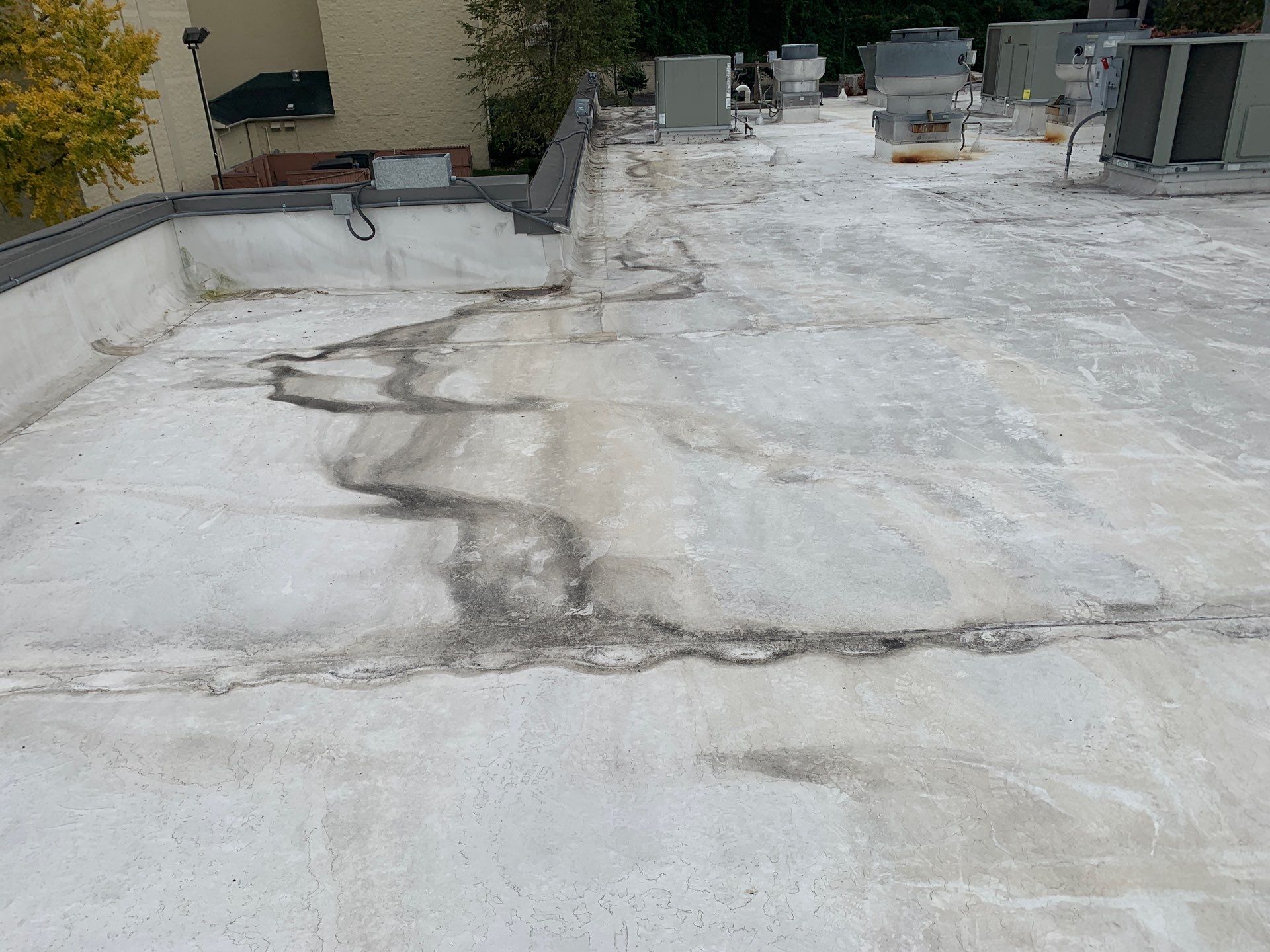
Not every lab roof needs a tear-off, and on a building full of running instrumentation, the less invasive option is often the safer one. Where the existing membrane is sound and the insulation tests dry, a fluid-applied or single-ply recover can extend service life without exposing the interior to an open deck over sensitive equipment. We core the assembly and run moisture verification before recommending a path, because pulling a roof off a working cleanroom building when a restoration would have done the job introduces risk no one needs. When the core samples show wet insulation or a failing deck, we say so plainly and scope the replacement with the containment and phasing the building requires.
Documentation a Quality Team Can Stand Behind
These buildings live inside a quality-management system, and the roof project has to feed it. We deliver contractor qualification records, the site safety plan, material submittals for the facility engineer, daily work reports, manufacturer installation documentation, system certifications where required, and warranty registration, formatted to drop into the facility's document-control process. When an auditor asks about roof condition over a GMP area, the answer should already be on file.
Pharmaceutical & Laboratory Roofing Questions
How do you handle access and security on a regulated campus?
We begin contractor credentialing and background coordination during preconstruction, usually a couple of weeks before mobilization, so the full crew is cleared before the start date. Controlled-substance areas may add DEA or facility security clearance. Escort and access restrictions are documented in the coordination plan up front.
What membrane do you use near corrosive lab exhaust?
60-mil PVC is our baseline for chemical resistance, and around solvent or acid exhaust stacks we step up to a reinforced, higher-plasticizer membrane confirmed against the manufacturer's chemical-resistance guide. Standard TPO is not appropriate next to a corrosive exhaust stream.
How do you protect cleanroom pressure during the work?
Flashing near cleanroom supply or exhaust connections is scheduled with your MEP team and timed to maintenance windows. We confirm pressure-differential recovery afterward and verify no dust or debris entered the air paths above the cleanroom envelope.
Do you work on biotech and university research buildings?
Yes. Research buildings bring similar access and coordination demands, often with multi-tenant lab suites running their own HVAC and biosafety exhaust. We coordinate with biosafety committees and EHS offices the same way we do on pharma sites.
What do you provide at closeout?
Contractor qualification documentation, the safety plan, reviewed submittals, daily reports, manufacturer installation documentation, required system certifications, and warranty registration, all formatted for your facility's document-control and quality system.
Protect the Equipment Under Your Roof
We will assess your lab or pharmaceutical roof, map the exhaust and cleanroom penetrations, flag the zones that need chemical-resistant detailing, and lay out a plan that keeps your validated operation running and your quality team supplied with documentation.