Sports & Recreation Facility Roofing in Fresno, CA
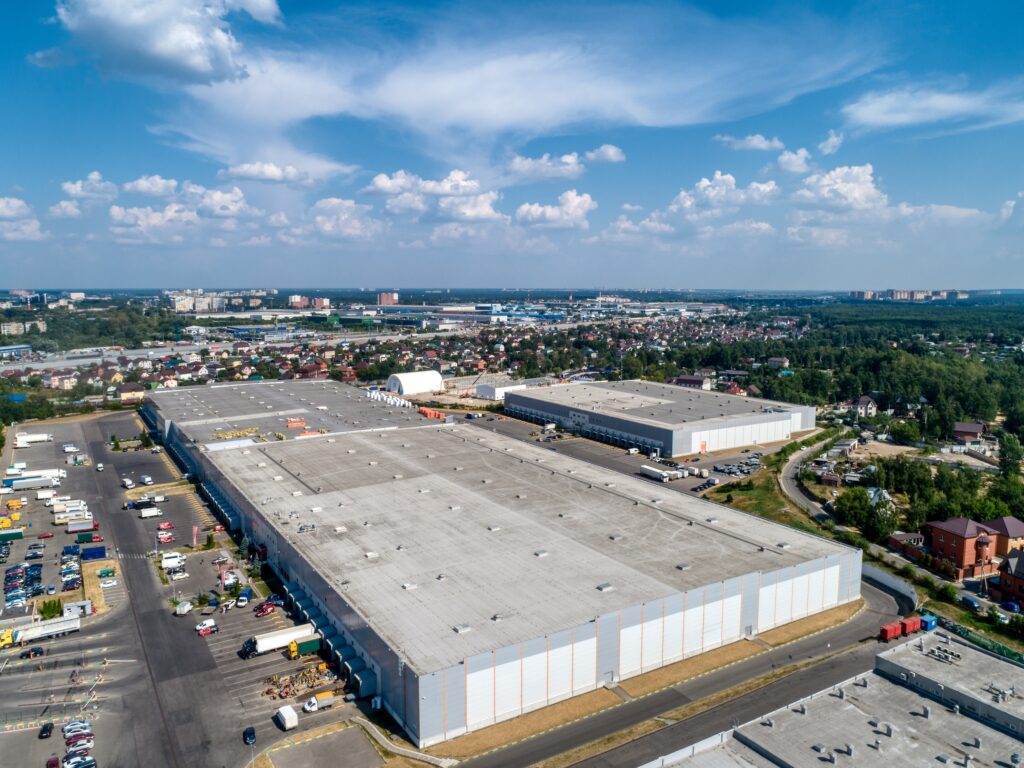
Sports and recreation buildings combine two of the hardest things you can ask of a roof: a long, column-free span and a saturated interior atmosphere, all on a building whose busiest hours are exactly when most roofers want to go home. Gyms, field houses, community recreation centers, aquatic centers, and arena structures share that profile, and it makes them genuinely demanding to roof well. Fresno has a deep bench of these facilities — the city and county park system runs recreation and aquatic centers across the metro, the universities and Fresno City College carry gymnasiums and athletic buildings, private clubs and indoor sports complexes line the Shaw and Blackstone corridors, and growth toward Clovis has added newer recreation and aquatic facilities. The structures vary, but the roofing problems rhyme: big spans, heavy humidity, dense mechanical loads, and no easy maintenance window.
Long spans and humidity, working against each other
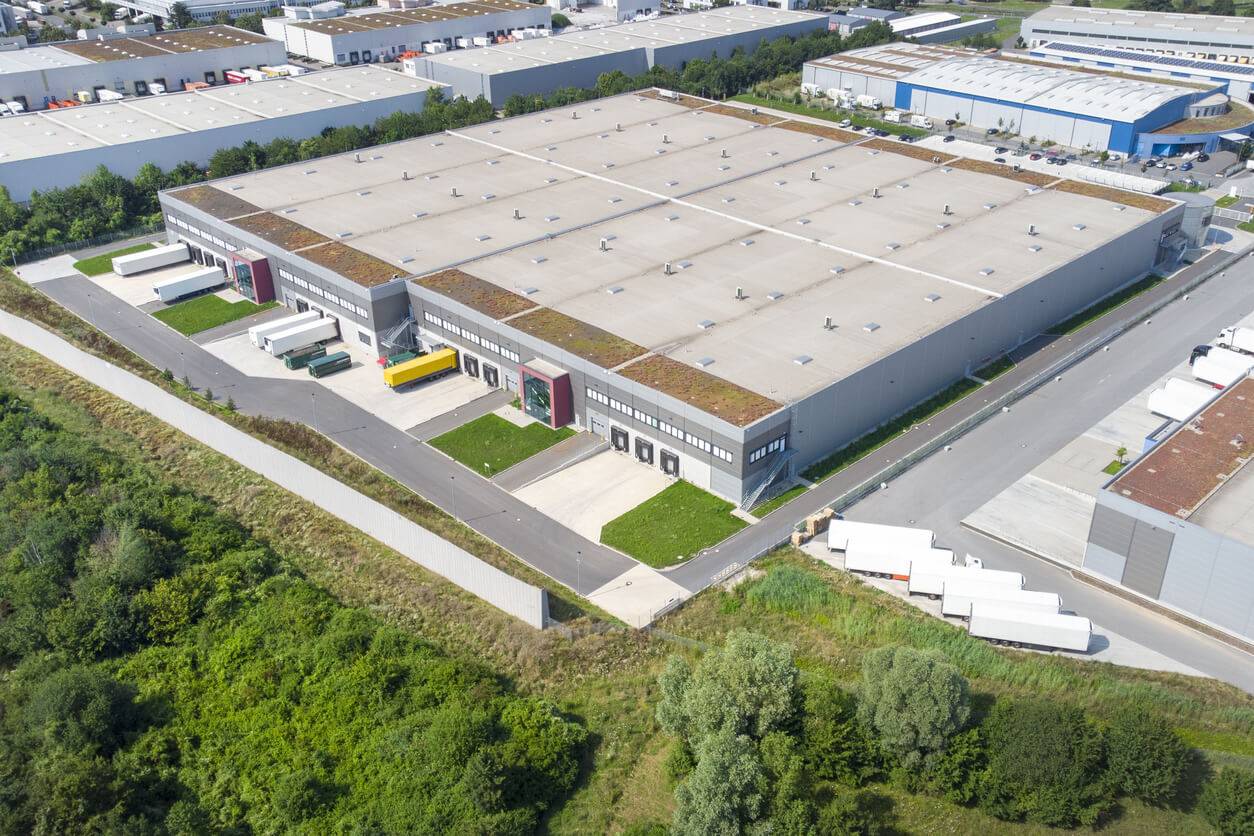
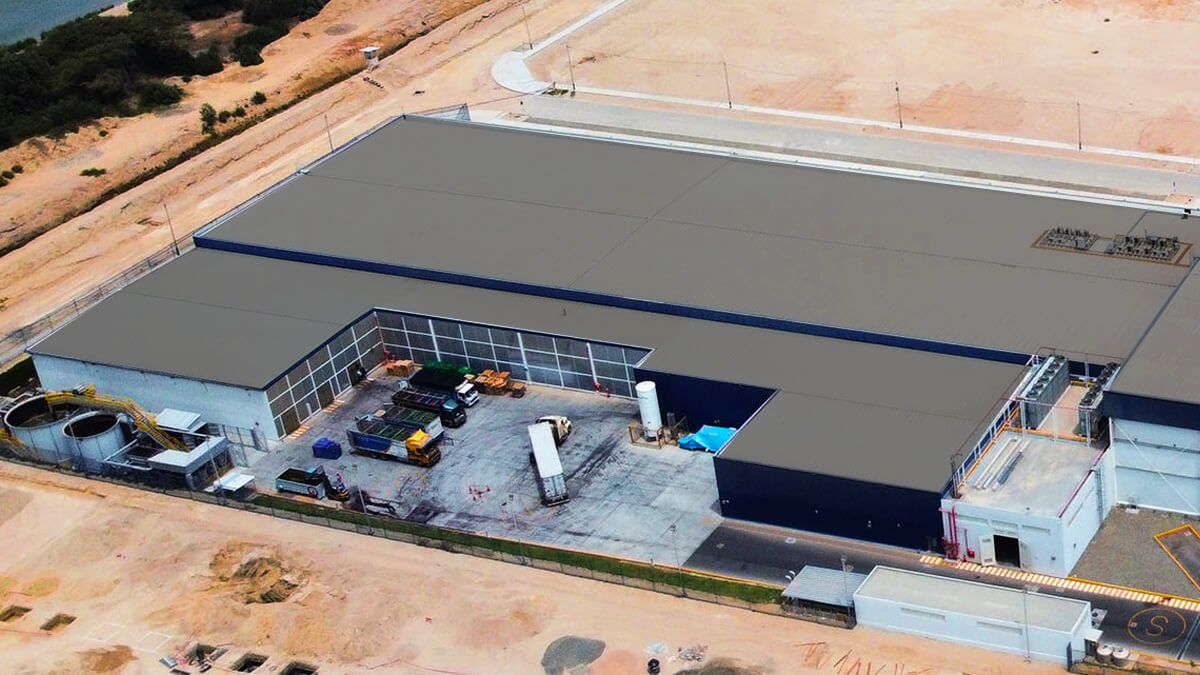
A gymnasium or arena roof often runs 60 to 80 feet of clear span on steel deck, and a long span deflects and carries wind-uplift loads that a short bay never sees. The fastening pattern has to be calculated to the actual deck and span — the pull-out numbers for steel deck at 80 feet are not the numbers for the same deck at 30 feet — so we provide the deck evaluation and fastener spec as part of the scope rather than defaulting to a generic attachment. Layered on top of that span is the moisture: pools, locker rooms, and the simple density of athletic occupancy push warm, humid air against the deck, and if the vapor retarder sits in the wrong position for the climate zone it drives condensation into the assembly and rots the insulation from inside. Fresno's climate calls for a specific vapor strategy, and we set the vapor-control layer from the building's real operating conditions and local climate data, not a template.
Natatoriums are the hardest case
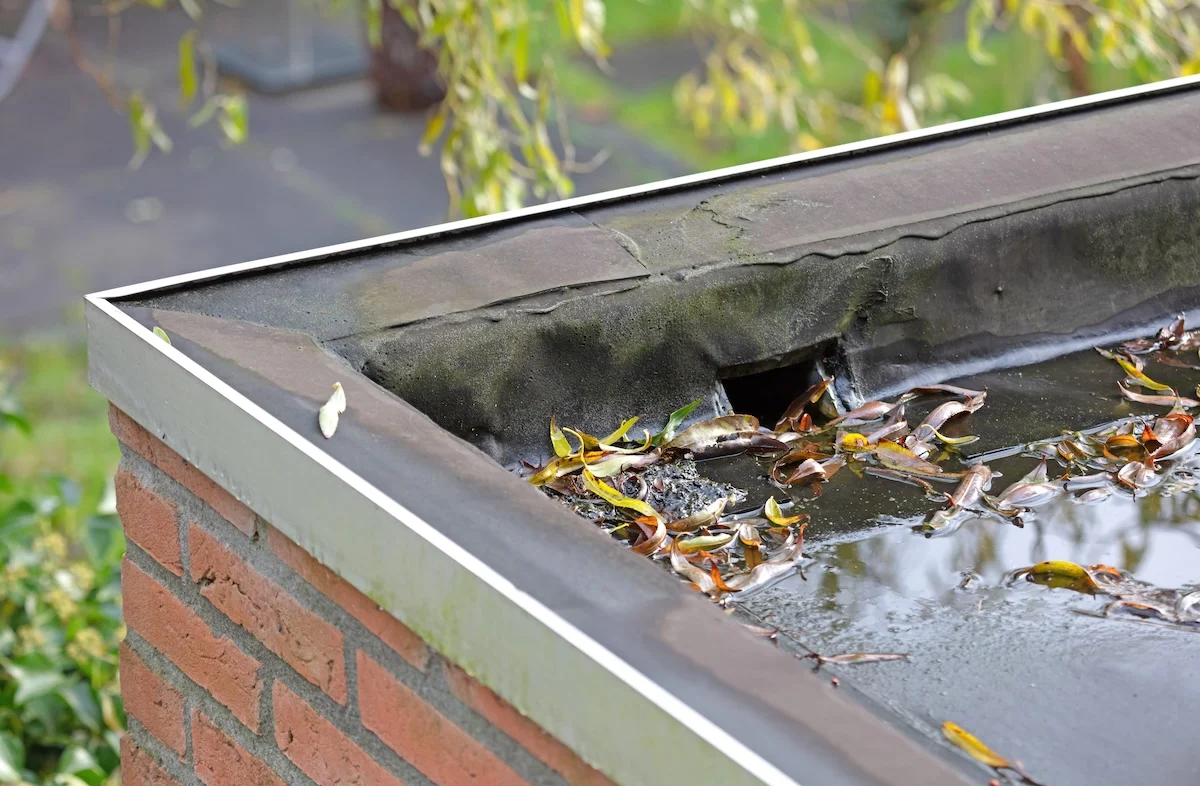
Of everything in this category, indoor pools are the most punishing. Chlorine reacts with organic matter swimmers bring in and produces chloramine gas, which is corrosive to ordinary roofing metals, edge metal, and some membrane adhesives. A natatorium roof in Fresno needs flashing and membrane materials confirmed compatible with chloramine — we specify stainless steel or copper flashing where there's exposure, verify the membrane against the manufacturer's chemical-resistance data, and use adhesives tested for pool-hall environments. The ventilation has to exhaust toward the exterior rather than recirculate that corrosive air above the pool envelope. Standard roofing details belong nowhere near a natatorium, and a moisture survey before the scope is finalized is non-negotiable on any aquatic building. The Central Valley climate compounds all of this: intense summer heat accelerates aging on a dark, wide membrane field, and the concentrated winter rains test drainage across roofs whose long, flat spans are prone to deflection-driven ponding right where you can least afford standing water.
Scheduling and public procurement
These buildings run nights, weekends, and holidays, so the work has to fit the programming calendar the facility provides. Gym and arena roof work is concentrated into weekday daytime hours with daily dry-in confirmed before evening programming begins, and on aquatic facilities we coordinate any exhaust or HVAC-penetration work with the pool operations team so air exchange above the pool hall isn't compromised. Ownership shapes how the contract is structured. Public recreation centers run by the City of Fresno, Fresno County, park districts, school gymnasiums, and the YMCA carry public-bid advertising, bid and performance-and-payment bonds, and prevailing-wage compliance where it applies; private clubs and sports-entertainment venues follow a different procurement path but often have just as tight a calendar driven by memberships and events. We carry the bonds and insurance required for public work in California and are comfortable on either path.
Sports & Recreation Facility Roofing Questions
How do you handle humidity from pools and locker rooms in the roof assembly?
Interior vapor drive from natatoriums and high-humidity athletic spaces needs a vapor retarder positioned correctly for Fresno's climate zone. We review the existing assembly and vapor strategy before specifying a reroof — recovering over a wet or misspecified assembly compounds the problem. A moisture survey before the scope is finalized is standard on any aquatic or high-humidity facility.
What materials are compatible with natatorium chloramine exposure?
Chloramine corrodes standard metal flashing, aluminum edge metal, and some adhesives. For natatoriums we specify stainless steel or copper flashing where there's exposure, confirm membrane compatibility against the manufacturer's chemical-resistance data, and use adhesives tested for pool-hall environments. Standard roofing specs are not appropriate here.
How do you schedule around heavy evening and weekend programming?
Work follows the programming calendar from facility management. Gym and arena roof work is concentrated in weekday daytime hours with daily dry-in confirmed before evening programming. For aquatic facilities we coordinate any HVAC or exhaust-penetration work with the pool operations team to protect air exchange above the pool hall.
Do you handle public bid requirements for municipal recreation facilities?
Yes. Public procurement for Fresno recreation centers, park-district facilities, and school gymnasiums involves bid advertising, bid bonds, performance and payment bonds, and prevailing-wage compliance where applicable. We carry the required bonds and insurance for public work in California and know the documentation these contracts require.
What roof systems work best for large-span gymnasium roofs?
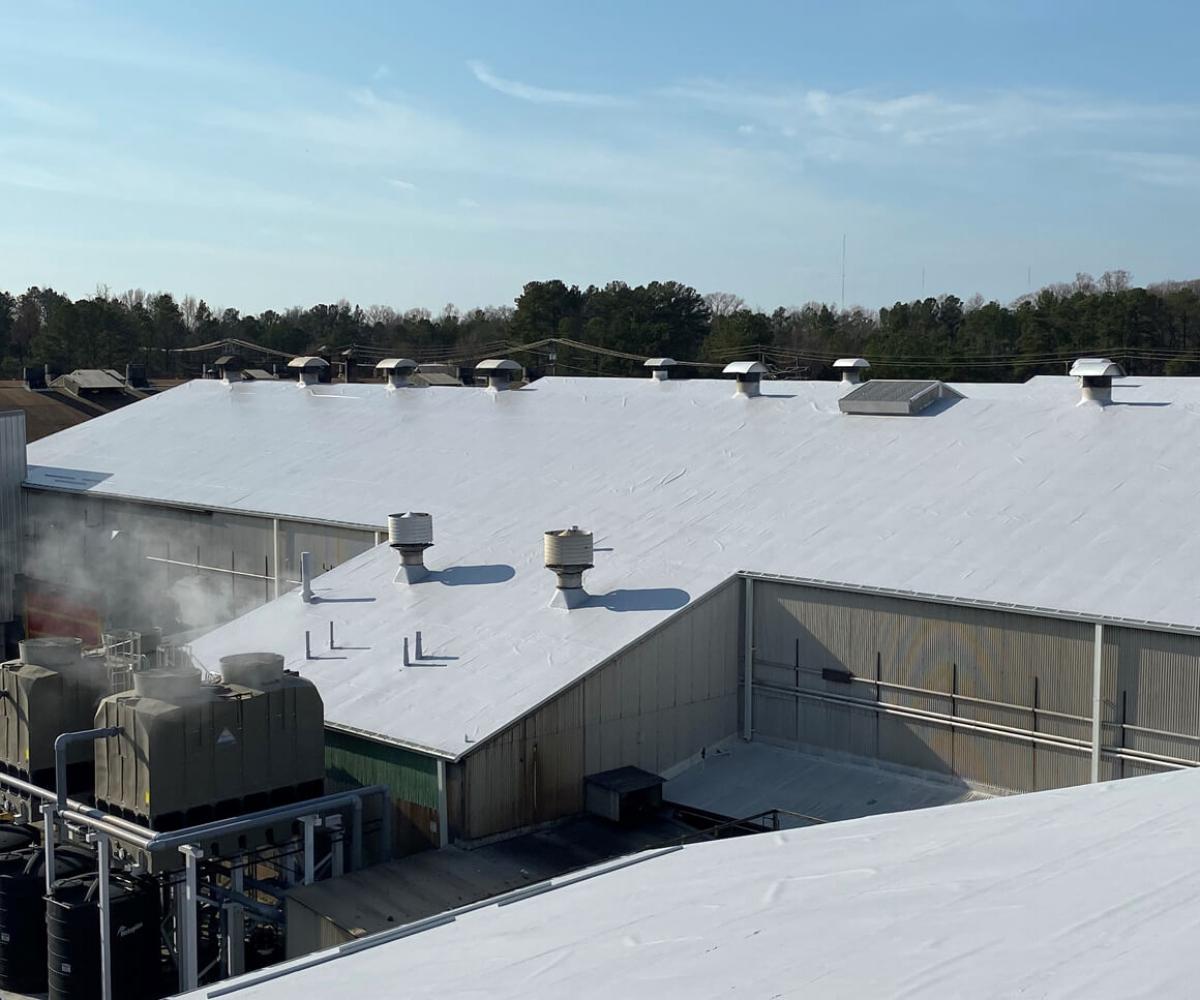
Long-span gym roofs typically use 60-mil or 80-mil TPO mechanically attached over polyiso. The attachment has to be specified to the actual deck and span — steel deck at 80 feet needs different fastener pull-out calculations than the same deck at 30 feet. We provide the deck evaluation and fastener specification as part of every long-span scope.
Get a Fresno commercial roof scope you can act on.
If you manage a gym, recreation center, or aquatic facility anywhere in the Fresno area, we'll walk the roof, run a moisture survey on humid buildings, evaluate the long-span deck, and deliver a scope and schedule that work around your programming and your procurement rules.