Fresno sits at the agricultural processing heart of California's Central Valley, and the industrial buildings that support that economy — food processing plants, cold storage warehouses, dehydration and packaging facilities, distribution centers — face some of the most demanding roofing conditions in the state. Sun-Maid's raisin processing operations, Del Monte's cannery complex, and the Dole and similar ag-processing facilities that line the BNSF and Union Pacific rail corridors south of downtown all have specific roofing requirements tied to what's happening inside the building: steam, humidity, refrigeration equipment cycling, chemical wash processes, and the constant thermal stress of managing temperature-controlled environments against 105°F exterior conditions. Amazon's distribution center on North Golden State Boulevard and the Ulta Beauty distribution complex have added a logistics dimension to Fresno's industrial real estate that demands large-format roofing solutions at a different scale.
The heat numbers in Fresno are severe. Summers regularly hit 105°F and above, and the San Joaquin Valley's combination of low humidity and high UV intensity creates surface temperature conditions on dark roofing membranes that exceed 170°F. Fresno averages 262 sunny days per year and receives only about 11 inches of annual precipitation — nearly all of it between November and March. For food processing facilities that operate year-round, that summer heat load is a direct operating cost problem: rooftop refrigeration condensers, cooling towers, and evaporative coolers are fighting ambient conditions that are already at the extreme end of their design range. A roof assembly that minimizes solar heat gain into the building is an operational asset, not just a code compliance item.
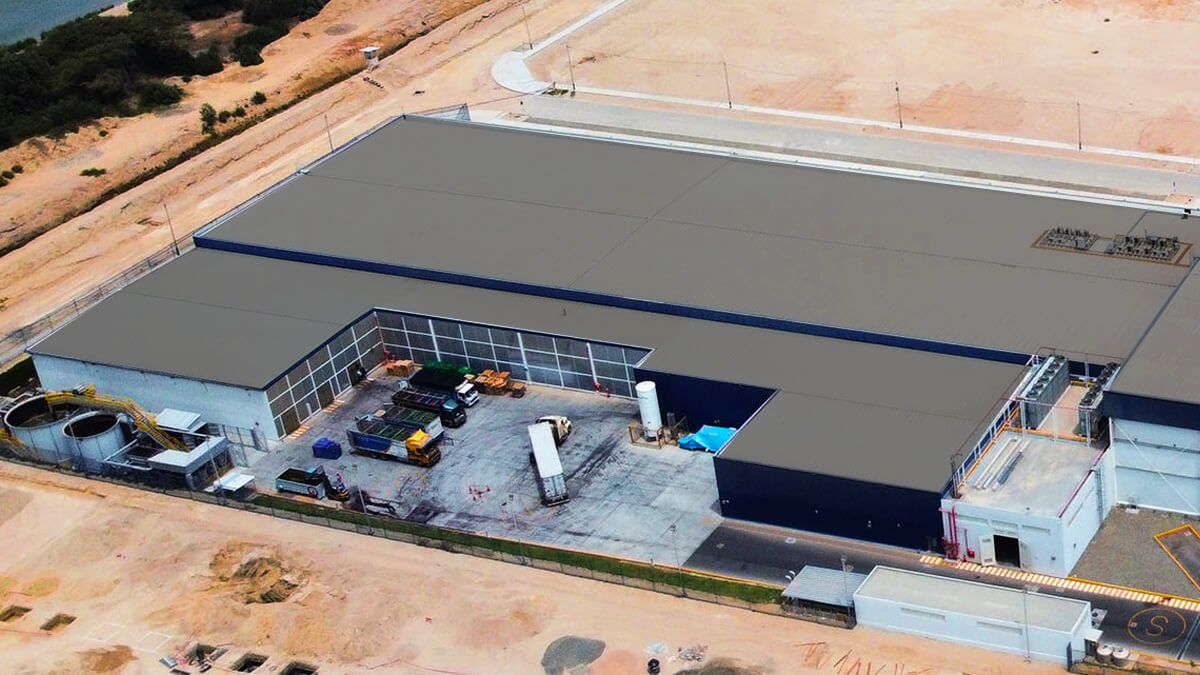
Cold storage and refrigerated warehouse roofing requires approaches that most commercial roofing contractors don't fully understand. On a cold storage building, the roof assembly must manage a vapor pressure gradient from warm exterior conditions to cold interior conditions — get this wrong, and moisture migrates into the insulation, destroying its thermal value and eventually causing structural deck corrosion from the underside. We design vapor retarder positions and insulation layering specifically for cold storage applications, placing vapor retarder on the warm side of the thermal plane and selecting insulation with appropriate permeability characteristics. For Fresno's ag-processing facilities, where interior conditions can range from ambient in dry storage to below freezing in blast freezer buildings, the roofing assembly design has to match the specific temperature regime of each building section. We don't apply a single spec to a building with three temperature zones.
The BNSF and Union Pacific rail corridors around the downtown Fresno industrial area and the SR-99 logistics spine represent Fresno's legacy heavy industrial base. Facilities here tend to be older — built in the 1960s through 1990s — and many carry accumulated layers of roofing materials from decades of piecemeal repair. We regularly encounter five or six layers of hot-mop built-up roofing on facilities in this corridor, sometimes with modified bitumen cap sheets and flood coatings from various decades layered on top. The accumulated weight on some of these buildings is significant, and steel deck panels that have been supporting wet insulation between layers for years can show localized corrosion and section loss. Before any reroofing project in this corridor, we core-cut and document the existing assembly, check deck condition at multiple points, and flag any structural concerns for engineering review.
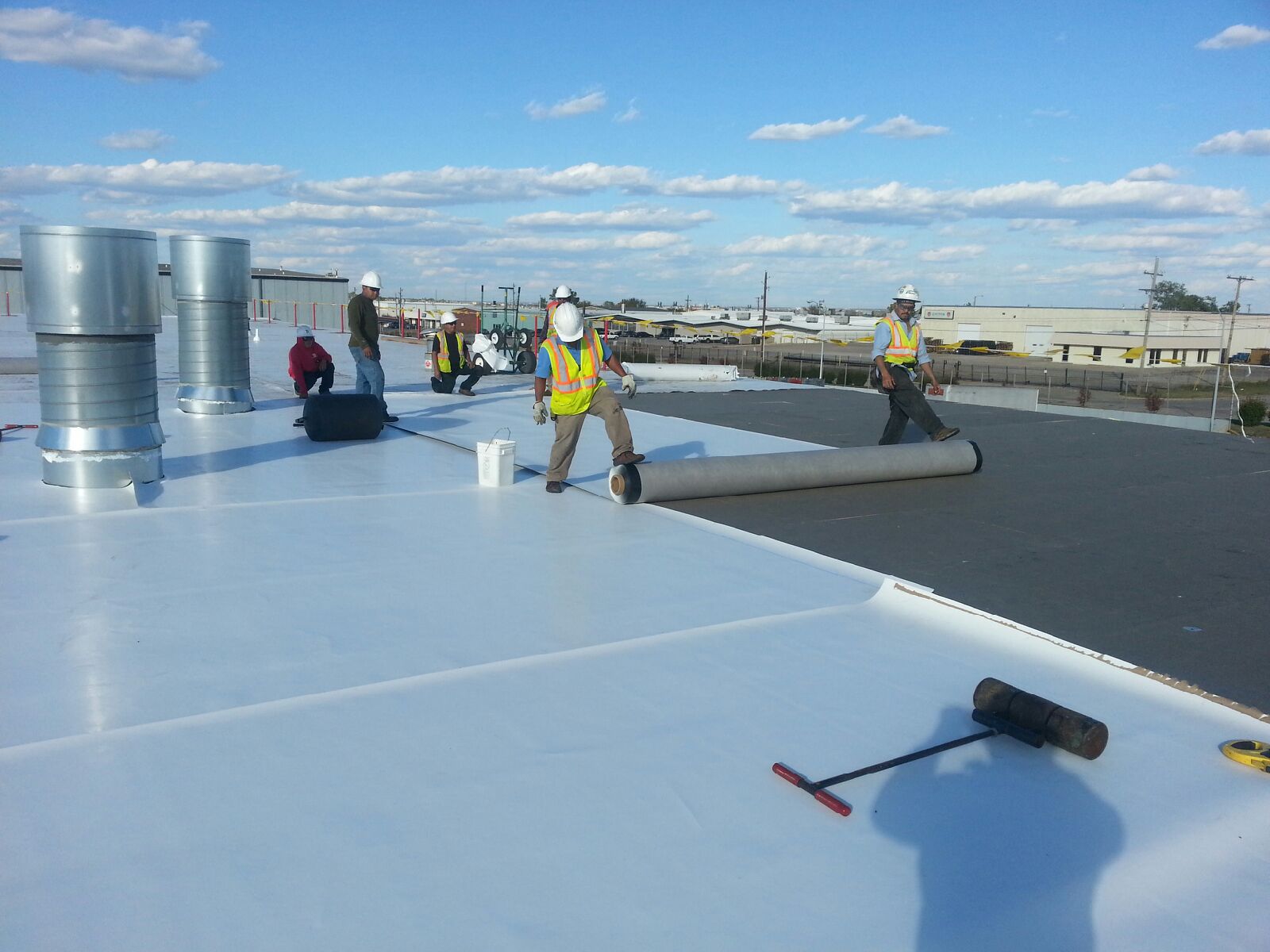
Fresno's position in the California Title 24 energy compliance framework means that commercial reroofing projects above a certain threshold must meet minimum Cool Roof Rating Council (CRRC) performance requirements for reflectance and thermal emittance. For Fresno's Climate Zone 13 — one of the hottest in California — the requirements are rigorous, and meeting them is not just compliant but economically justified. We install Title 24-compliant white TPO and modified bitumen cap sheet systems across the Fresno industrial market, and the energy performance data bears out the code's requirements: buildings with properly specified cool roofs in Fresno's climate routinely show 20 to 30 percent cooling energy reduction compared to dark membrane equivalents. For food processing facilities paying substantial electric bills to run refrigeration and climate control, that's material cost savings.
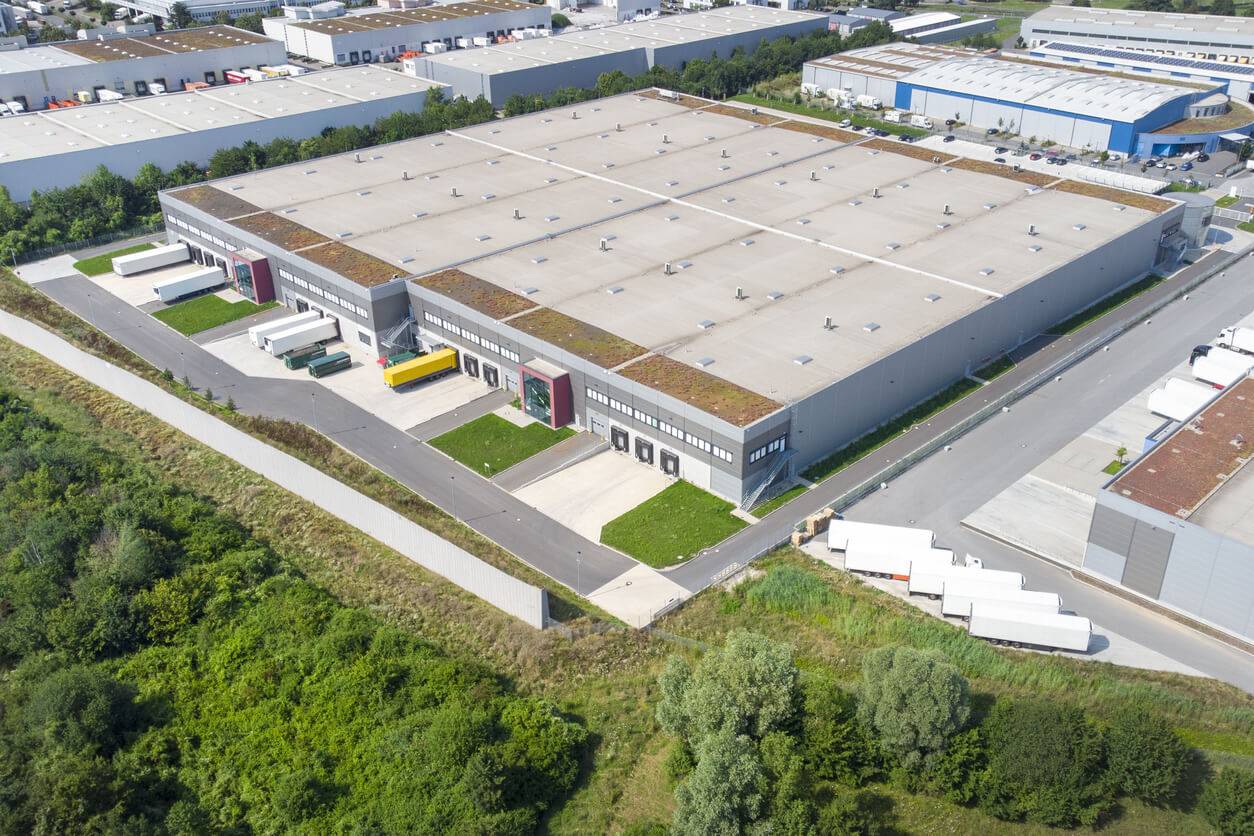
The Amazon and Ulta distribution complexes on the north end of the market represent the modern large-format logistics roofing challenge. These buildings range from 500,000 to over a million square feet under a single roof, and maintaining waterproofing integrity across that area requires systematic inspection, not spot-checking. We manage maintenance programs for large distribution facilities using infrared thermography to locate wet insulation areas, systematic seam probing to identify bonding failures before they become active leaks, and drain inspection programs to keep the drainage systems functional through Fresno's brief but intense winter rain season. On a roof this size, a small failure can migrate water horizontally under the membrane across hundreds of feet before it finds an entry point to the building interior — finding wet insulation before it becomes an interior leak is the whole game.
Fresno Yosemite International Airport's cargo and industrial zone brings aviation-adjacent roofing challenges — buildings with jet fuel handling, cargo logistics, and aircraft maintenance operations, many with overhead door systems and large openings that affect interior environmental conditions. We've worked on hangar roofing, cargo terminal buildings, and FBO facility roofing in the Airport area, understanding the airfield safety requirements that govern contractor behavior in proximity to active runways and taxiways. Roofing material delivery and staging near the airfield requires coordination with Airport Operations, and any crane or aerial lift work near approach paths needs prior notification. These are manageable requirements, but only for contractors who've done it before.
The Friant-Kern Canal corridor industrial area extending northeast from Fresno through Clovis and into the foothill ag-processing zone represents a specialized market — food processing facilities, agricultural equipment depots, and support industry buildings that often carry deferred maintenance histories. Agricultural businesses tend to prioritize production equipment over building envelope, and it's common to find roofs on profitable ag-processing facilities that haven't had a documented inspection in years. We do a lot of first-look assessments in this corridor where the surprise isn't that the roof has problems — it's that the problems haven't caused a shutdown event yet. A leak into a food processing area isn't just a building problem; it's a food safety event that can trigger regulatory action. We make that case clearly when proposing maintenance programs.
Bird deterrence is a legitimate roofing design consideration in Fresno's ag-processing environment. Large flat roofs attract bird populations that cause roofing damage through nesting under perimeter edge metal, physical membrane puncture, and drain blockage from nesting materials and waste accumulation. We incorporate bird management features — wire systems at parapets, drain covers with appropriate clearance, and edge metal details that eliminate nesting cavities — into roofing designs for food processing facilities where the bird intrusion issue is both a building maintenance problem and a food safety concern. A contamination event from bird activity on a roof above a processing line is a serious regulatory and reputational exposure for ag-processing facility operators.
Fresno's industrial roofing market is large, diverse, and genuinely demanding in ways that aren't immediately obvious from outside the Valley. The heat is well-known. The cold storage complexity is understood by specialists. The legacy rail corridor buildings with their layered roofing histories require patience and documentation. The logistics giants want systematic maintenance programs at scale. The ag-processing facilities need contractors who understand food safety implications of building envelope failures. We've worked across all of these segments in Fresno and the broader San Joaquin Valley, and we understand that the roof over a food processing line is not the same project as the roof over a distribution warehouse three miles away, even if both are flat and both need to stay dry. Call us when you need someone who knows the difference.
Questions Owners Ask
What roofing systems are required to meet California Title 24 compliance for reroofing in Fresno?
Fresno is in California Climate Zone 13, which has some of the most stringent cool roof requirements under Title 24. For low-slope commercial roofs (slopes under 2:12), the required aged solar reflectance is 0.55 and thermal emittance is 0.75, or a Solar Reflectance Index (SRI) of at least 64. White TPO, white EPDM, and highly reflective modified bitumen cap sheets typically meet these requirements with CRRC-rated products. Standard gray or black membranes do not qualify for re-cover or reroof projects that trigger Title 24 compliance. We spec CRRC-listed products on all Fresno reroofing projects and provide documentation for permitting. The compliance requirement is also good practice independently of code — the energy savings in Fresno's climate are genuine and significant.
Our cold storage building has roofing problems. Is the repair approach different from a regular warehouse?
Yes, significantly. Cold storage roofing requires specific attention to vapor management — the pressure differential between warm exterior conditions and refrigerated interior drives moisture migration into the roof assembly in ways that don't occur in ambient-temperature buildings. Wet insulation in a cold storage roof loses thermal value, drives energy costs up, and can cause structural deck corrosion from condensation. Before any repair or replacement work on a cold storage roof, we assess the existing vapor control layer condition and position, check insulation moisture content with core cuts, and design the repair or replacement assembly with the correct vapor barrier position for the building's temperature regime. Applying a standard commercial roofing approach to a cold storage building without addressing vapor management typically restores waterproofing temporarily while leaving the moisture problem to continue destroying the insulation.
How do we manage roof drainage for a large distribution center in Fresno given that it rarely rains?
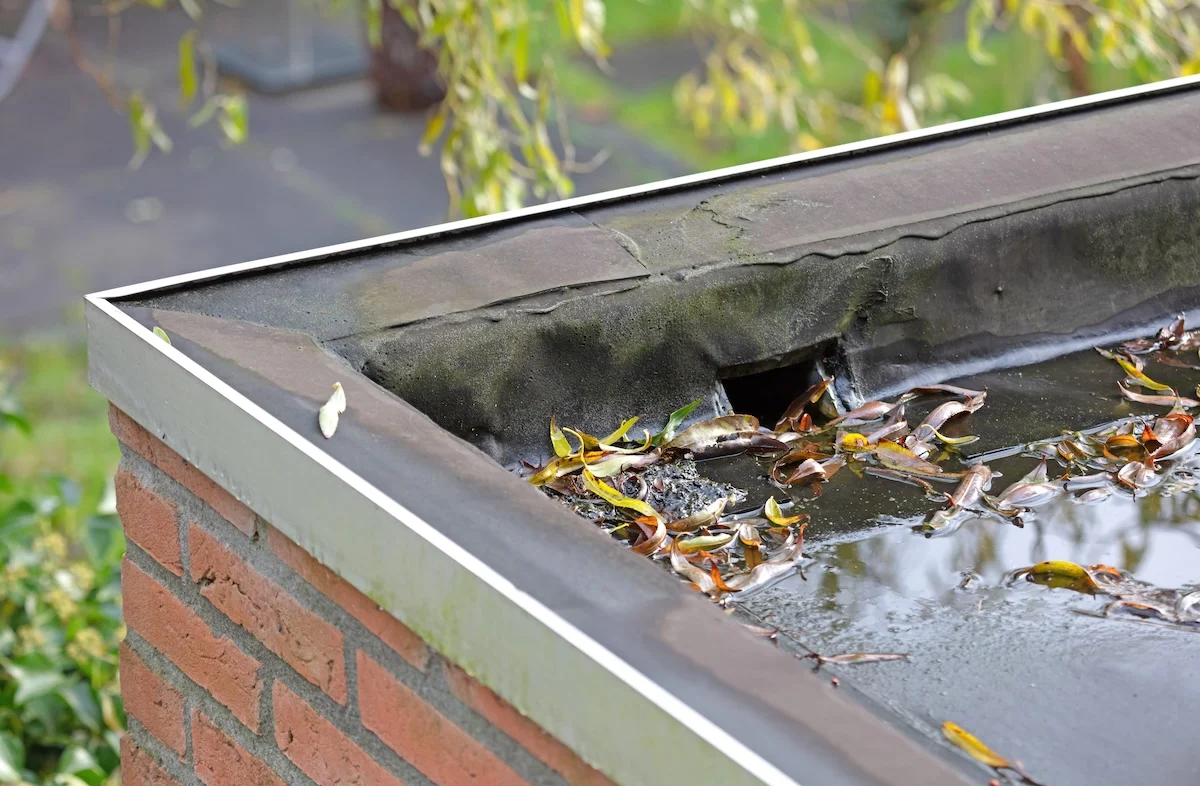
The infrequent rain is exactly why drainage management matters. Fresno receives most of its annual rainfall in concentrated winter events, and after months of dry weather, debris accumulates in drains, scuppers, and low points. When a significant rain event arrives — the kind of atmospheric river event that can deliver two to four inches in a short period — clogged drains create instant ponding that overwhelms a flat roof's ability to drain and can cause interior flooding or membrane stress failures. We recommend pre-season drain inspection and cleaning before the November start of the rain season, overflow scupper installation on any flat roof that doesn't already have them, and a post-summer inspection to document any membrane deterioration that developed during the heat season and needs to be addressed before rain arrives.
We process food in our facility. Can a roof leak actually create food safety issues?
Yes, and the regulatory consequences can be severe. A leak into an active food processing area constitutes a potential adulteration event under FDA food safety regulations. Depending on the product, production may need to halt until the contamination is assessed and the environment is restored to compliant condition. Facilities operating under SQF, BRC, or similar food safety certification standards typically have protocols requiring documented corrective action for any roof water intrusion event, and repeat events can threaten certification status. The best protection is a documented preventive maintenance program that demonstrates due diligence — regular inspections, written records, timely repairs. When a certification audit asks about your building envelope maintenance history, you want records to show, not a shrug.
What should we look for on an older ag-processing or cannery building in the Fresno area before we buy or lease it?
Start with the roofing history — ask for maintenance records, repair invoices, and any inspection reports. In their absence, commission an independent roofing assessment before closing or signing a lease. Core-cutting is essential on older buildings in this corridor because visual inspection alone won't reveal the number of existing layers, the insulation condition, or any structural deck issues. Pay particular attention to areas near steam exhaust risers, cooling equipment, and food processing equipment — these are high-moisture zones where insulation saturation and membrane deterioration concentrate. Also check for any rooftop penetrations that have been abandoned, sealed with pitch pockets, or modified by previous tenants without proper waterproofing — the Fresno ag-processing real estate market has a lot of buildings with informal modifications in their history.