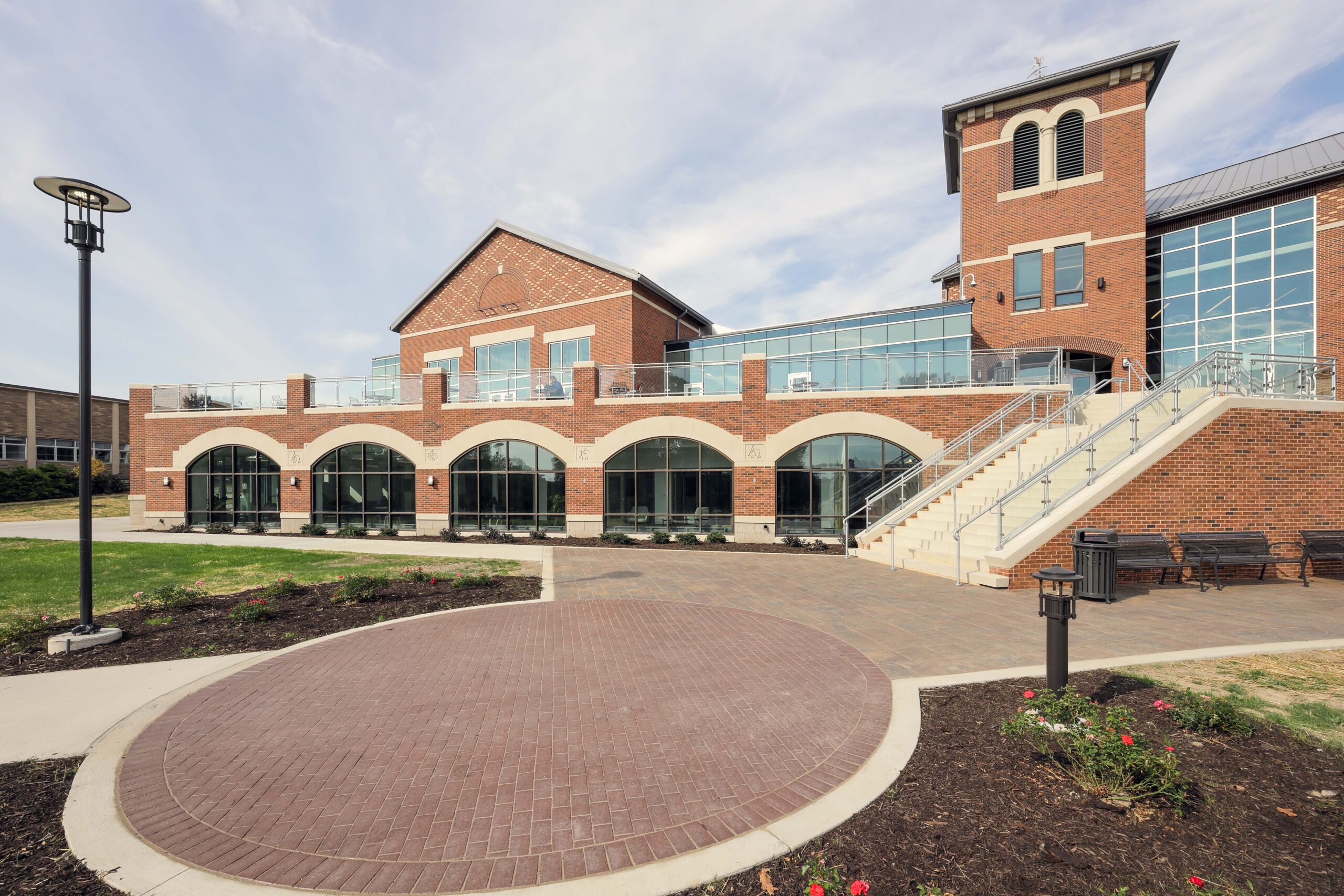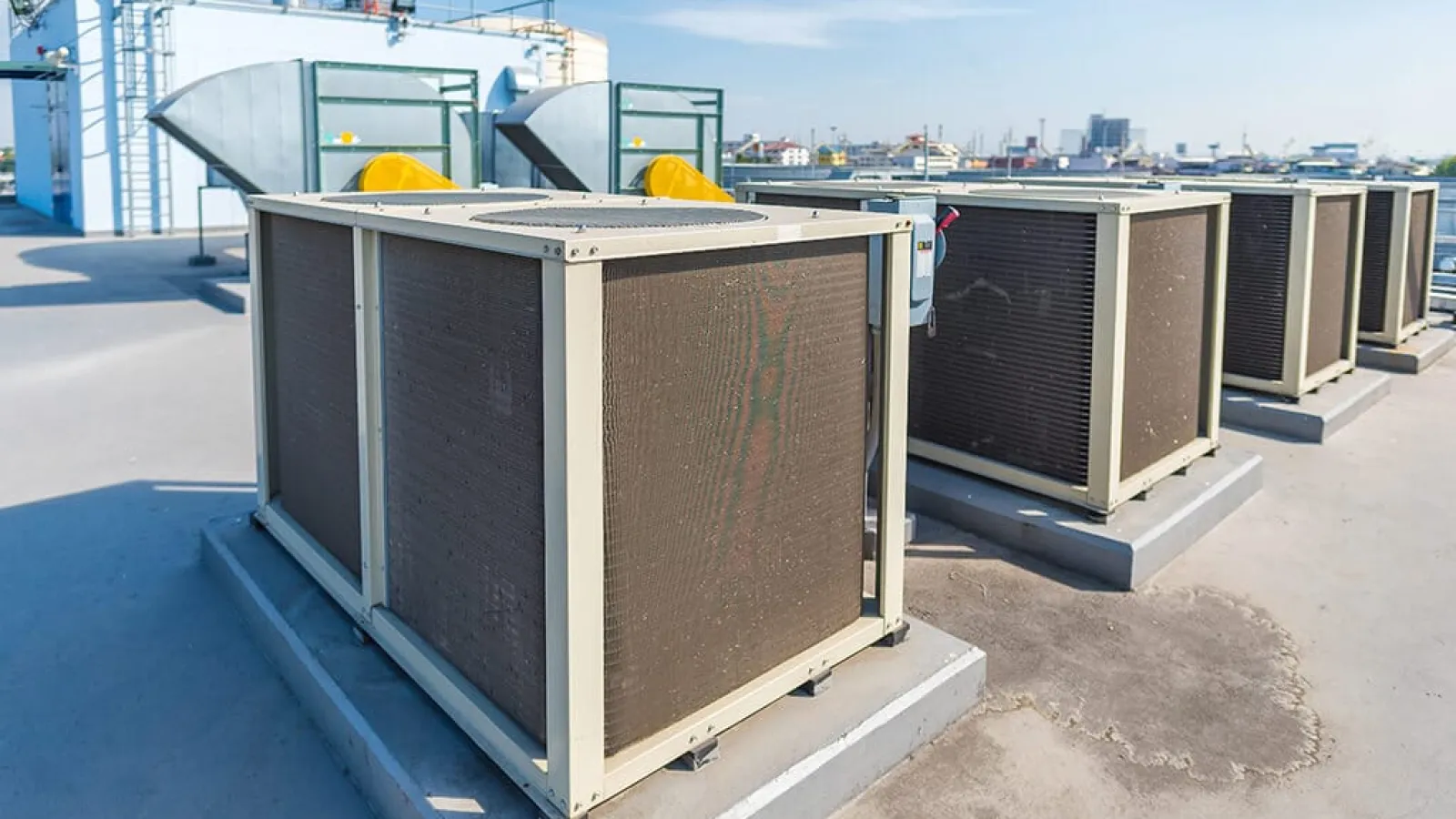
The Cheesecake Factory operates a high-volume full-service restaurant in Fashion Fair Mall on Palm Avenue in Fresno, California, representing the kind of commercial kitchen and dining operation that places the most demanding possible requirements on a commercial roofing system. A full-service restaurant of this size runs kitchen exhaust equipment continuously during operating hours, processes enormous volumes of cooking grease and vapor through Type I hood systems, maintains complex HVAC rooftop equipment serving both the kitchen and the dining room, and operates in an occupied environment where any roofing work must be coordinated around continuous service — from lunch service through late evening without a gap.
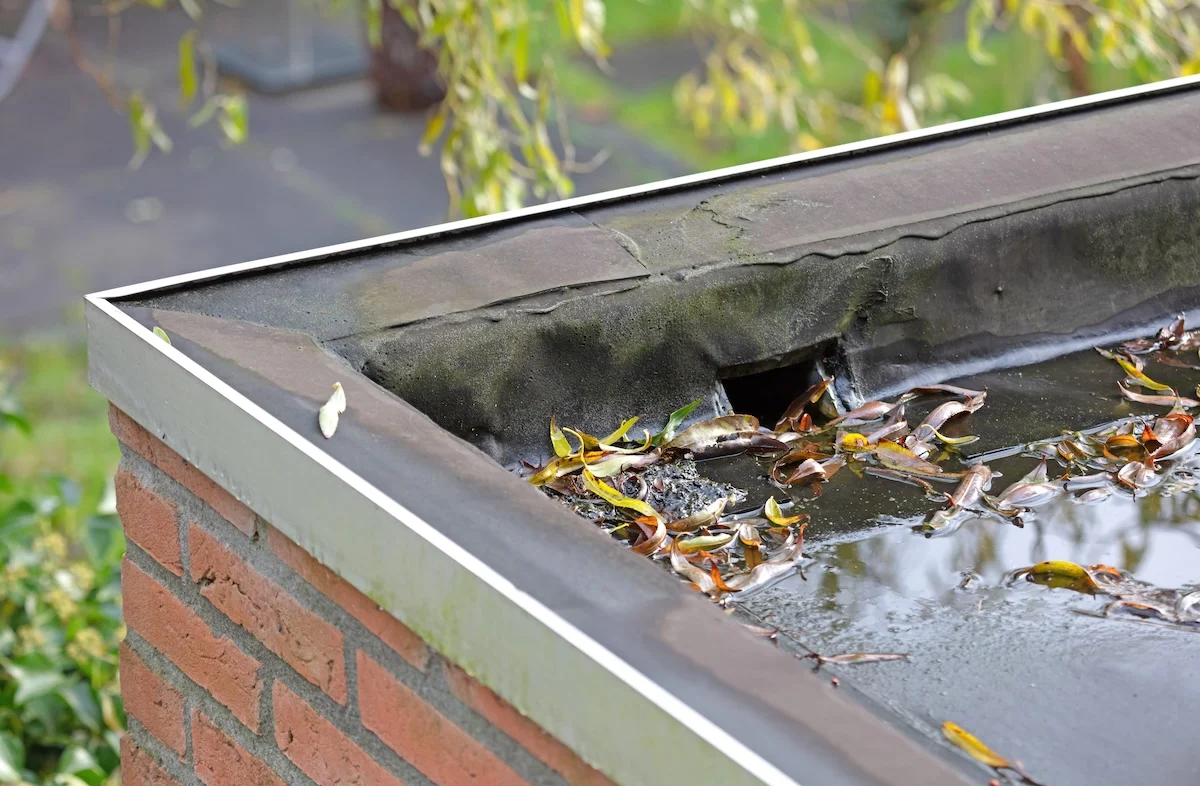
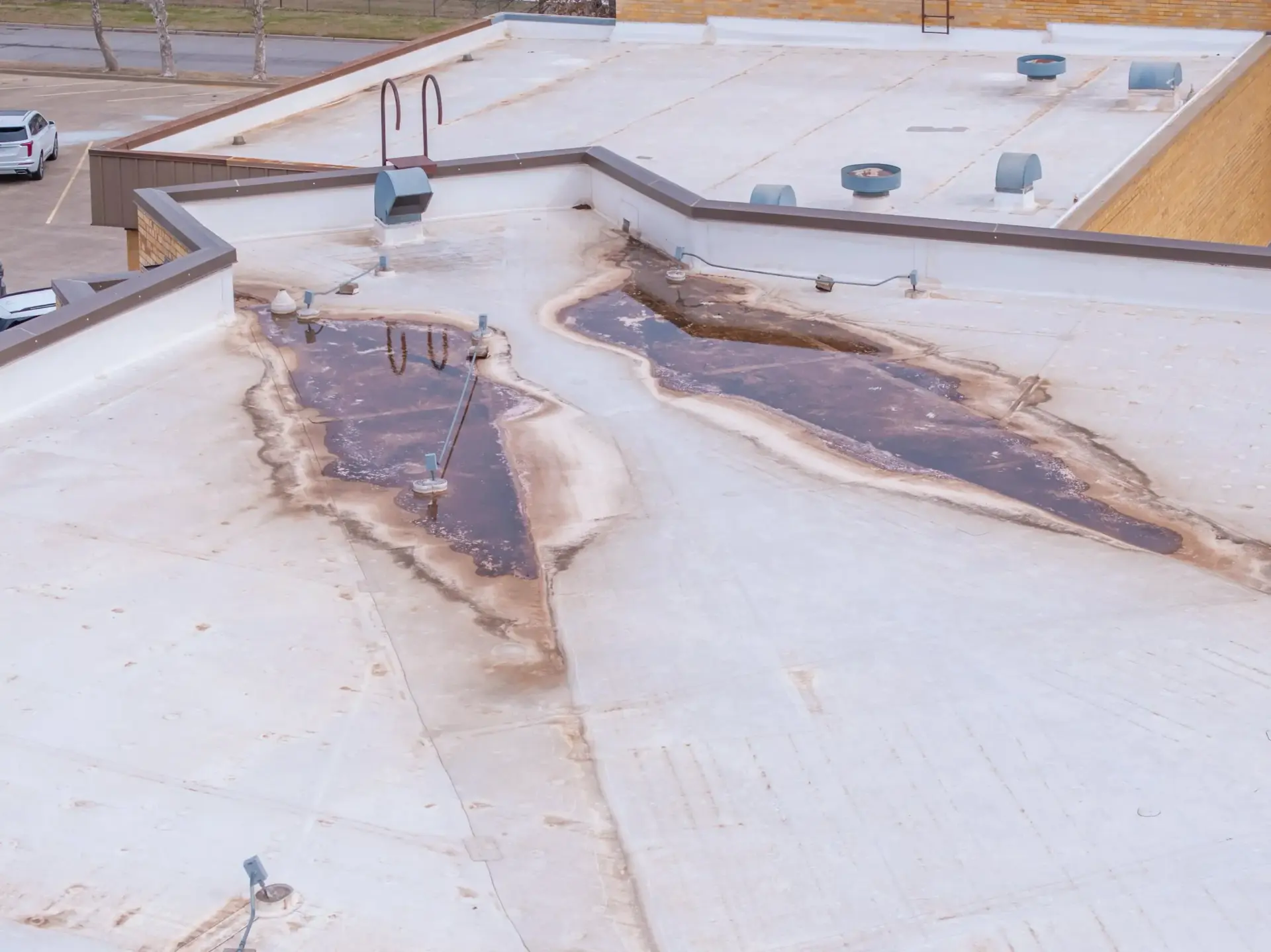
Grease contamination is the defining roofing challenge for restaurant facilities, and it is one that the general commercial roofing industry frequently underestimates. Cooking grease vapor that escapes a Type I exhaust hood system is discharged onto the roof surface through the exhaust stack, where it deposits a layer of grease on the membrane surrounding the exhaust penetration. Over time, this grease layer accumulates and attacks conventional TPO and EPDM membranes at a molecular level, degrading the plasticizers and polymers that give the membrane its flexibility and waterproofing properties. A standard commercial membrane within three feet of an unprotected restaurant exhaust discharge can fail in under five years due to grease degradation alone.
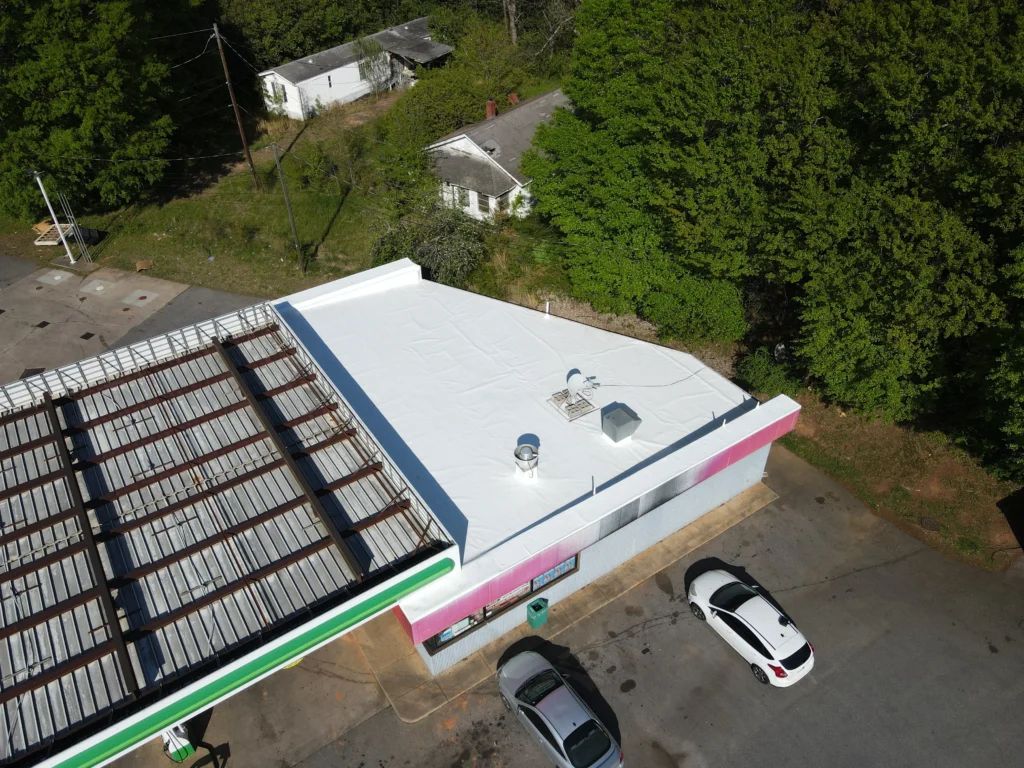
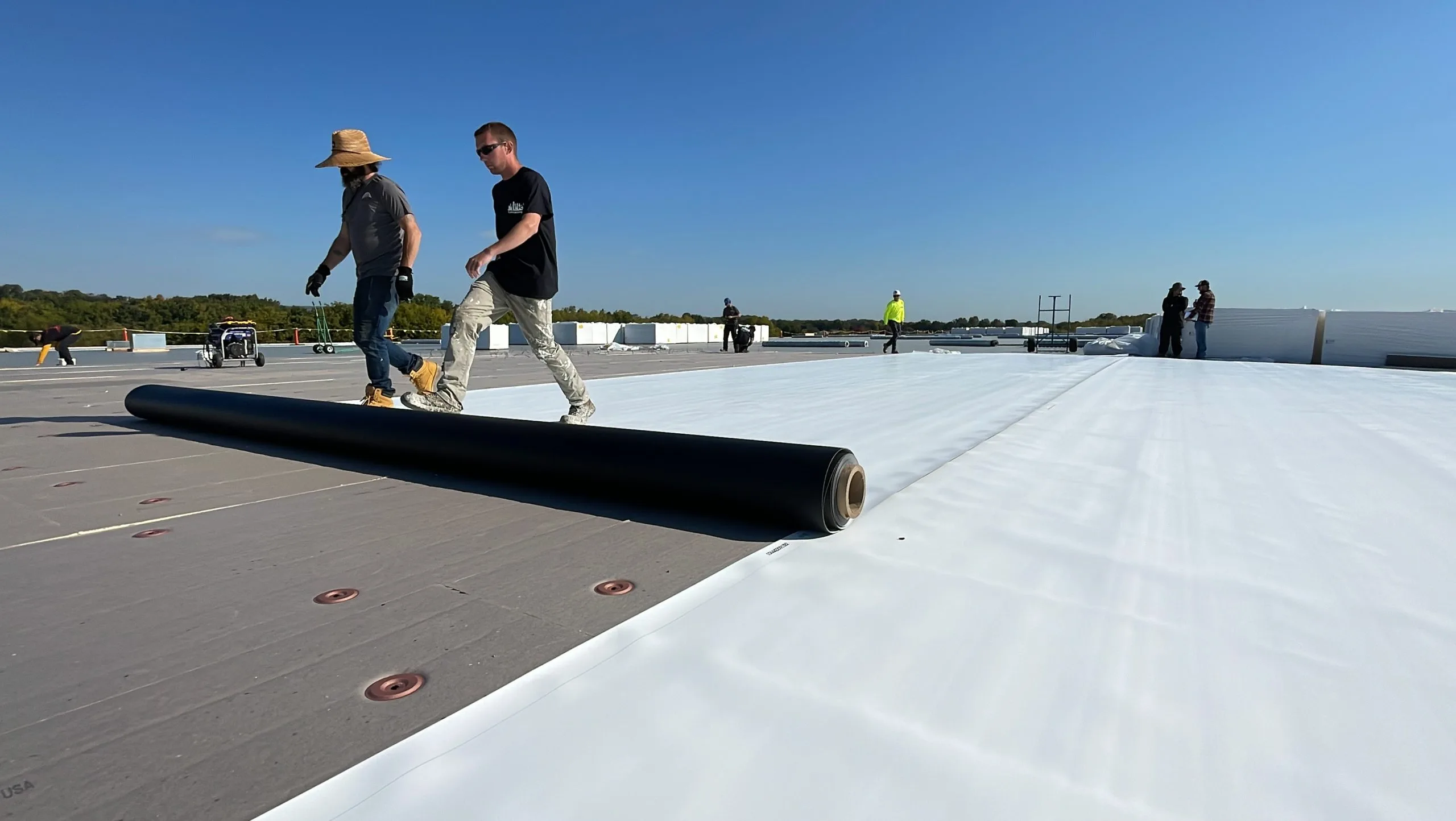
The correct solution is a grease-resistant membrane or membrane protection system in the zone around each exhaust penetration. Options include TPO membranes with documented grease resistance ratings, EPDM with factory-applied grease protection, or a liquid-applied grease-resistant coating installed over the membrane in the contamination zone. We specify the appropriate system based on the exhaust equipment type, estimated grease discharge volume, and the existing membrane condition in the contamination zone. For Fresno restaurant re-roofing projects, California's Title 24 compliance requirements for the overall membrane are coordinated with the grease protection specification to produce a system that addresses both code compliance and kitchen exhaust degradation simultaneously.
Type I exhaust hood penetrations are the most critical flashing detail on any commercial kitchen roof. The penetration must accommodate high-temperature exhaust — up to 400°F in some cooking configurations — while maintaining a watertight seal against California's winter rainfall and the occasional summer monsoon moisture that Fresno receives. Standard pitch-pan flashings are inadequate for commercial kitchen exhaust penetrations because the grease and heat that characterize those penetrations attack conventional sealants continuously. Factory-fabricated stainless steel pitch pans with heat-resistant sealants, or pre-formed flashing assemblies designed specifically for commercial kitchen exhaust applications, are the correct specification.
HVAC rooftop equipment on a Fresno full-service restaurant is both more numerous and more operationally critical than on most commercial buildings. Kitchen ventilation, dining room conditioning, walk-in cooler condensing units, and bar area equipment all compete for curb locations on a typically crowded restaurant roof. In Central Valley summer heat, any of these systems' failure due to a roofing-related issue — a flooded curb flashing, a water-infiltrated equipment cabinet, or a clogged drain near a unit — can force the restaurant to close or limit service, with immediate revenue consequences. Our restaurant roof assessments document every piece of rooftop equipment, its curb condition, and any drainage concerns in the equipment zone.
Fire suppression system penetrations are a roofing coordination requirement unique to commercial kitchen buildings. Dry-pipe fire suppression system heads in the kitchen exhaust hood require penetrations through the roof assembly for the supply line, and those penetrations must be flashed in compliance with both the fire protection system design and the roofing manufacturer's warranty requirements. We coordinate with the fire suppression contractor on all penetration locations and flashing requirements during the pre-construction planning phase to prevent conflicts that would require rework after installation begins.
Occupied restaurant re-roofing in Fresno requires coordination with the restaurant's operating schedule in a way that goes beyond standard commercial project phasing. Kitchen exhaust equipment cannot be shut down during service periods — the fire suppression system requires it to remain operational during cooking. Our Fresno restaurant re-roofing projects schedule all work at exhaust penetrations and HVAC curbs for pre-opening or post-closing hours, with access coordinated through the restaurant management team to ensure that the work schedule accommodates the kitchen's operational requirements.
Drainage design on restaurant roofs requires accounting for the additional burden of grease-contaminated water. Conventional drain strainer domes accumulate grease that restricts flow during rainfall events, and the grease-contaminated water that flows to the drain represents a waste management consideration in California, where discharge of grease-contaminated water to storm drains may require treatment or containment. We specify drain assemblies appropriate for grease-laden drainage conditions and coordinate with the facility's grease trap consultant on any drain management requirements that apply to the specific Fresno site.
Our Fresno commercial roofing team holds the C-39 license and maintains familiarity with California's Title 24 compliance requirements for restaurant facilities, which must address both the cool-roof membrane requirements and the exhaust equipment integration details that the state's energy compliance framework requires. NDL warranties on qualifying systems are available for Fresno restaurant projects, and we coordinate all required City of Fresno permit applications and inspections from initial submittal through final sign-off.
- How does cooking grease damage my Fresno restaurant roof and what can be done?
- Grease vapor from kitchen exhaust deposits oil on the membrane surface, chemically degrading standard TPO and EPDM. Grease-resistant membranes or liquid-applied grease protection coatings in the contamination zone around exhaust penetrations are the standard solution, extending membrane life from under five years to the full warranty term in the exhaust zone.
- What is the correct flashing for a Type I exhaust hood penetration on a Fresno restaurant roof?
- Stainless steel pitch pans with heat-resistant sealants, or pre-formed commercial kitchen exhaust flashings designed for high-temperature and grease exposure, are the correct specification. Standard pitch pans with conventional sealant fail quickly in the heat and grease environment of a commercial kitchen exhaust stack.
- Does California's Title 24 affect my Fresno restaurant re-roofing project?
- Yes. Title 24 cool-roof requirements apply when more than 50 percent of the roof area is replaced. White or reflective membranes meeting CEC minimum reflectance values are required, and compliance documentation must accompany the permit application. We handle this as part of our standard project scope.
- Can a Fresno restaurant be re-roofed without interrupting kitchen operations?
- Yes, with proper scheduling. Exhaust penetration and HVAC curb work is scheduled before opening or after closing. Membrane work over occupied dining areas proceeds in sections with daily end-of-day waterproofing, and fire suppression system continuity is maintained throughout the project.
- How often should a Fresno restaurant roof be inspected?
- Twice annually, plus after any event that might generate extraordinary grease discharge — equipment malfunction, fire suppression system discharge, or any event that sent unusual quantities of grease to the roof surface. Grease contamination that is caught and treated early prevents the membrane degradation that requires premature replacement.