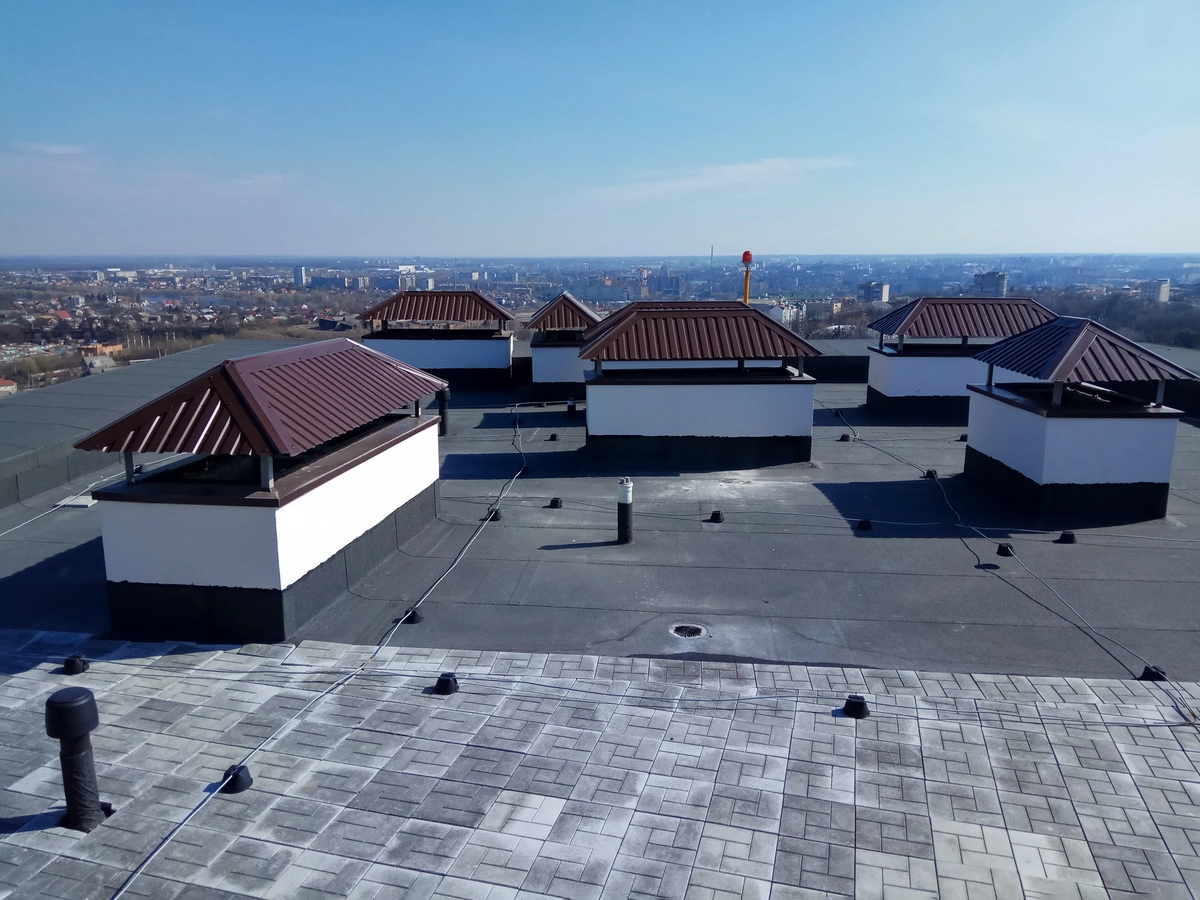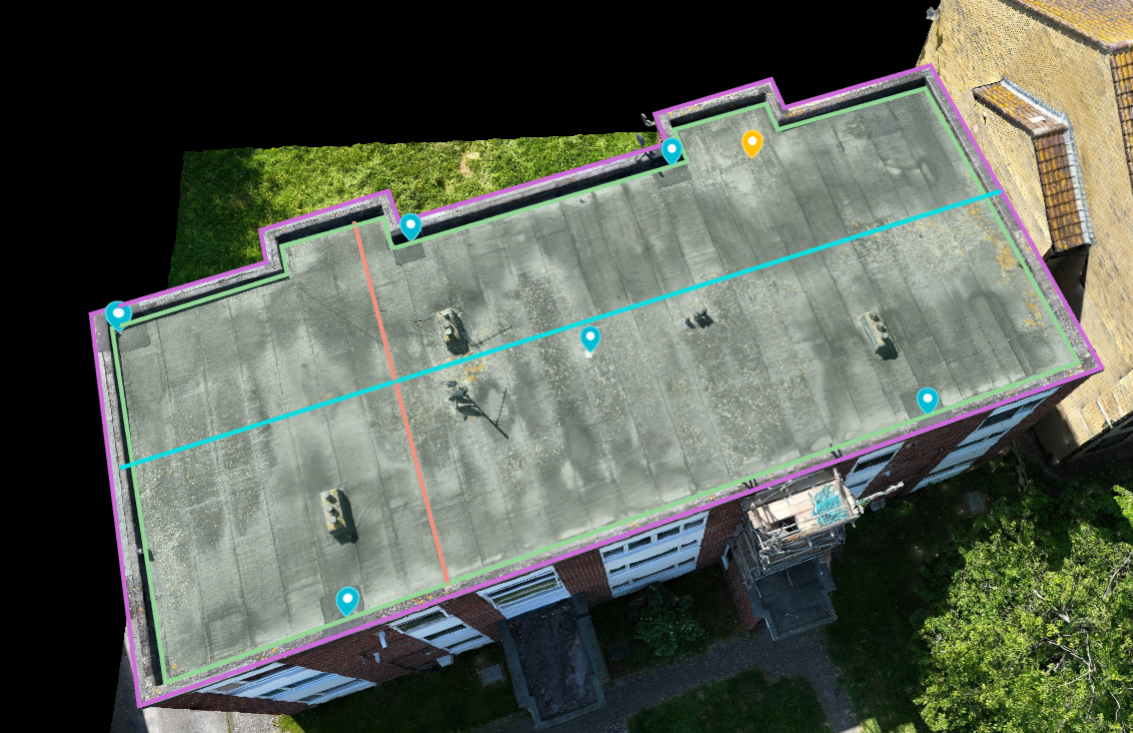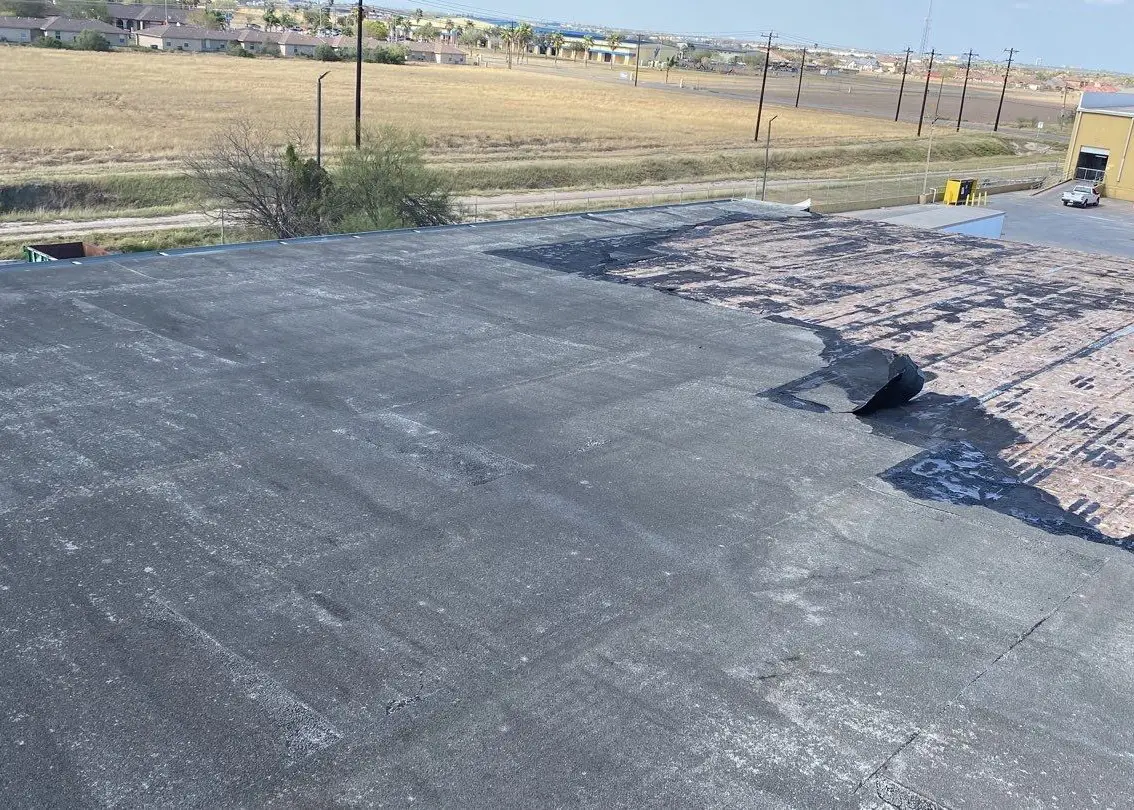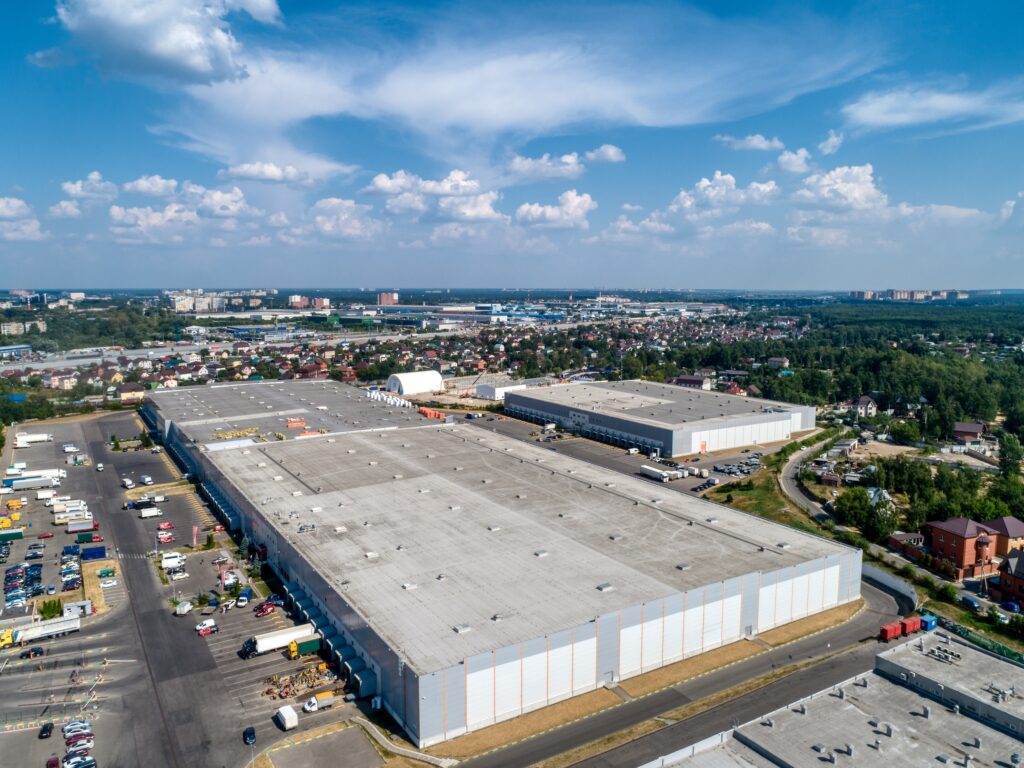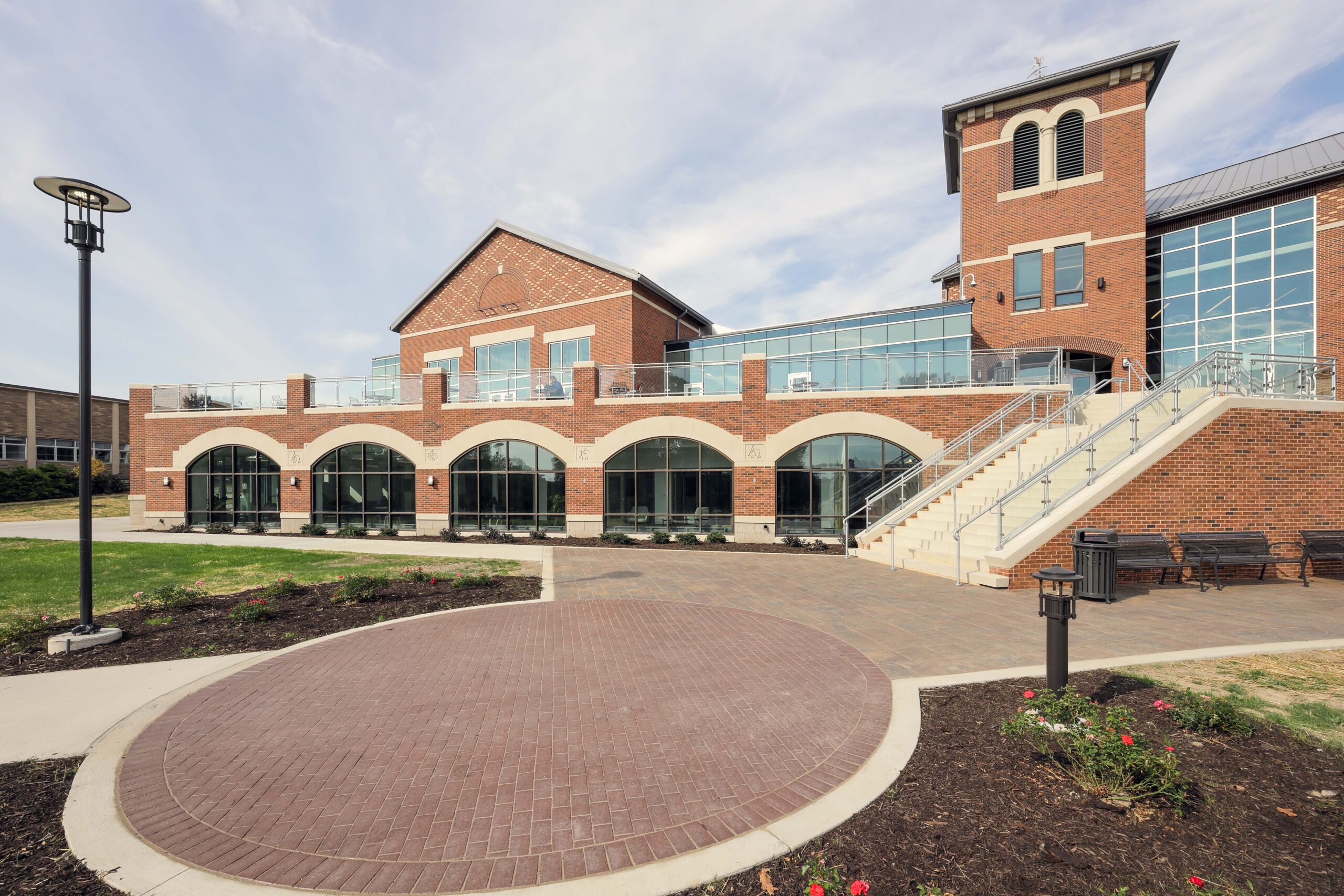
California State University, Fresno — known universally as Fresno State — manages a 1,400-acre campus with more than 200 buildings ranging from historic mid-century academic halls to recently constructed science and health science facilities, all of which must be maintained under the University's comprehensive facilities management program while meeting the California State University system's sustainability mandates and the strict public procurement requirements that govern every capital expenditure at a state institution. Commercial roofing at Fresno State is never simply a matter of replacing a membrane; it is a project embedded within the academic calendar, subject to CSU procurement regulations, evaluated against California Title 24 energy standards, and often tied to LEED certification targets for campus sustainability goals.
Semester scheduling is the dominant constraint on roofing project timing at Fresno State. The academic year creates hard construction windows: summer session from mid-May through mid-August offers the widest access, but this window is compressed for large-scale projects. Winter break from mid-December through mid-January provides a secondary window for smaller buildings or for sequential project phases. Contractors who fail to complete planned work within the allocated academic window force the university to make difficult choices about whether to continue construction over student objections or pause work and resequence. An experienced university contractor builds schedule contingency explicitly into the project plan rather than relying on best-case assumptions.
Fresno State's procurement process for capital roofing projects follows California Public Contract Code requirements for public agencies, which means competitive bidding, prevailing wage requirements under the California Department of Industrial Relations, and public contract award processes that add weeks to the pre-construction timeline compared to private sector projects. Contractors unfamiliar with California public works prevailing wage requirements can inadvertently underbid projects by failing to include the correct wage rates for each classification of worker used on the project. The DIR's online prevailing wage database must be consulted for the current wage determinations for Fresno County before any bid is submitted.
Historic buildings on the Fresno State campus, including several structures on the Fresno State National Register-eligible historic district, require roofing replacement approaches that respect the Secretary of the Interior's Standards for the Treatment of Historic Properties. The original roofing materials and assembly configurations on historic buildings may not be directly replaceable with modern equivalents, and the university's facilities team works with the California State Historic Preservation Office on any roofing project that affects a contributing building. A contractor working on Fresno State's historic buildings must be prepared to use historically compatible materials and to document the preservation decision-making process as part of the project record.
LEED certification considerations are relevant for any new building or substantial renovation at Fresno State. The CSU Sustainability Policy requires new construction to target LEED Silver certification at minimum, and roofing systems contribute to multiple LEED categories including Energy and Atmosphere (through cool-roof reflectance), Sustainable Sites (through storm water management), and Materials and Resources (through recycled content and regional sourcing). The contractor should be familiar with LEED documentation requirements and be prepared to provide manufacturer data sheets confirming the LEED-relevant properties of all specified materials.
Energy performance of the roofing assembly is especially important at Fresno State because of the Central Valley climate. Fresno's hot summers mean that cool-roof requirements under Title 24 are directly relevant to the campus's cooling energy costs. The university's energy manager has quantified the savings potential from improving roof reflectance on older buildings with dark membrane systems, and re-roof projects are coordinated with the campus energy plan to sequence improvements on the buildings with the highest return on reflectance upgrade investment.
Green roof and vegetated assembly considerations have been evaluated for several Fresno State buildings as part of the campus sustainability plan. While full vegetated systems are challenging in Fresno's climate due to irrigation water demands, extensive sedum systems on north-facing or shaded roof sections have been studied as a potential contribution to the campus stormwater management plan. A contractor with experience in California green roof installations can assist the university's sustainability team in evaluating the feasibility and life-cycle cost of these systems relative to conventional high-reflectance assemblies.
The campus programs that use Fresno State buildings continuously — summer sessions, research labs, community education programs, and athletic training facilities — mean that the definition of a construction window is not as clean as the academic calendar implies. The contractor must coordinate with each building's department administrator, not just with central facilities management, to confirm access availability and to communicate any noise, fume, or safety restrictions that will affect building occupants during the project. A building occupied by a summer research lab has different construction tolerance than a classroom building between semesters.
Fresno State's commercial roofing program benefits from contractors who have experience with other CSU campuses and who understand the system-level procurement and reporting requirements that university facilities staff must satisfy. References from other CSU campuses are particularly valuable because they confirm that the contractor understands California public works requirements and has the administrative capacity to manage prevailing wage documentation, certified payroll submissions, and the public contract close-out process.
- What procurement rules govern commercial roofing contracts at Fresno State?
- Fresno State is subject to California Public Contract Code requirements for public agencies, including competitive bidding, California DIR prevailing wage rates for Fresno County, and formal public contract award procedures. Contractors must consult the DIR's current prevailing wage determinations for all applicable worker classifications before submitting a bid.
- How do Title 24 cool-roof requirements apply to a Fresno State re-roof?
- All re-roofs on conditioned buildings must use membranes meeting prescriptive solar reflectance and thermal emittance thresholds under California Title 24. Third-party verified product data is required for permit issuance, and the campus energy manager may have specific guidance on reflectance targets tied to the campus energy plan.
- What standards apply to roofing work on Fresno State's historic buildings?
- Roofing on buildings in or contributing to a historic district must comply with the Secretary of the Interior's Standards for the Treatment of Historic Properties. The CSU system coordinates with the California SHPO on these projects, and the contractor must be prepared to use historically compatible materials and document the preservation decision-making process.
- How should summer construction windows be managed to avoid disrupting Fresno State's summer programs?
- Summer construction access must be coordinated with each building's department administrator, not just central facilities management. Research labs, summer sessions, and community programs may be active in buildings that appear vacant on the academic calendar. Noise, fume, and safety restrictions specific to each building's occupancy must be established before mobilization.
- What LEED documentation contributions should a contractor be prepared to provide for a Fresno State re-roof?
- The contractor should be prepared to provide manufacturer data sheets confirming solar reflectance, recycled content, regional sourcing information, and storm water management performance for all specified materials. These data points contribute to multiple LEED categories and must be in the project documentation file before LEED submission.