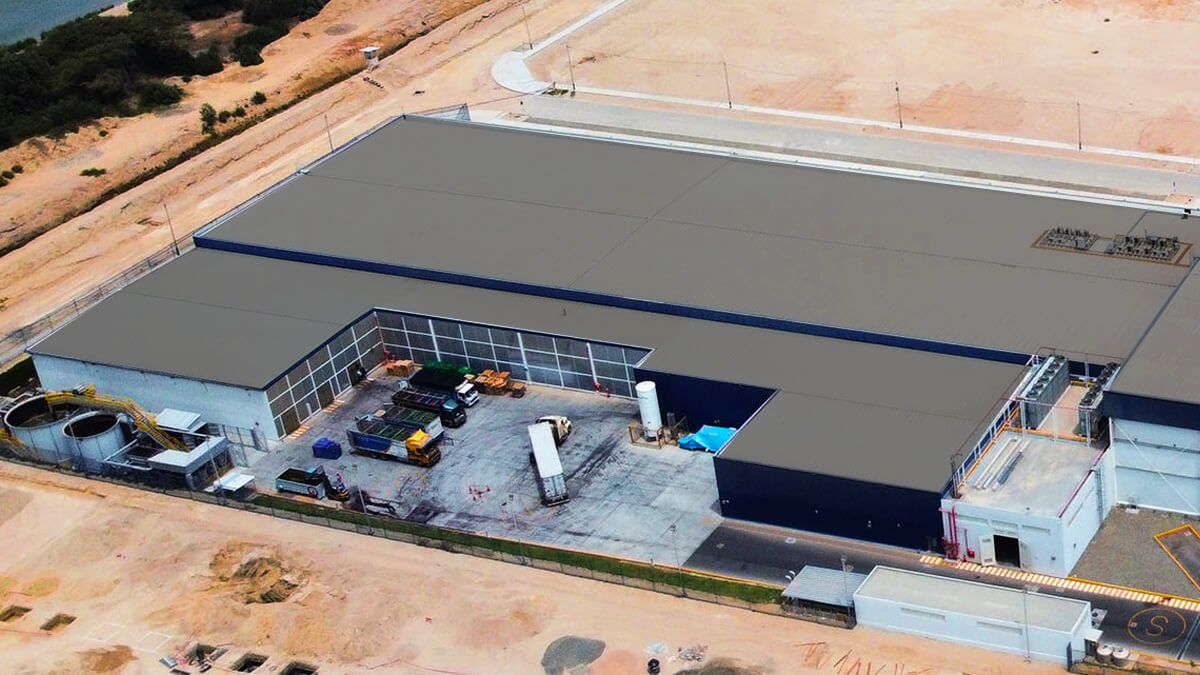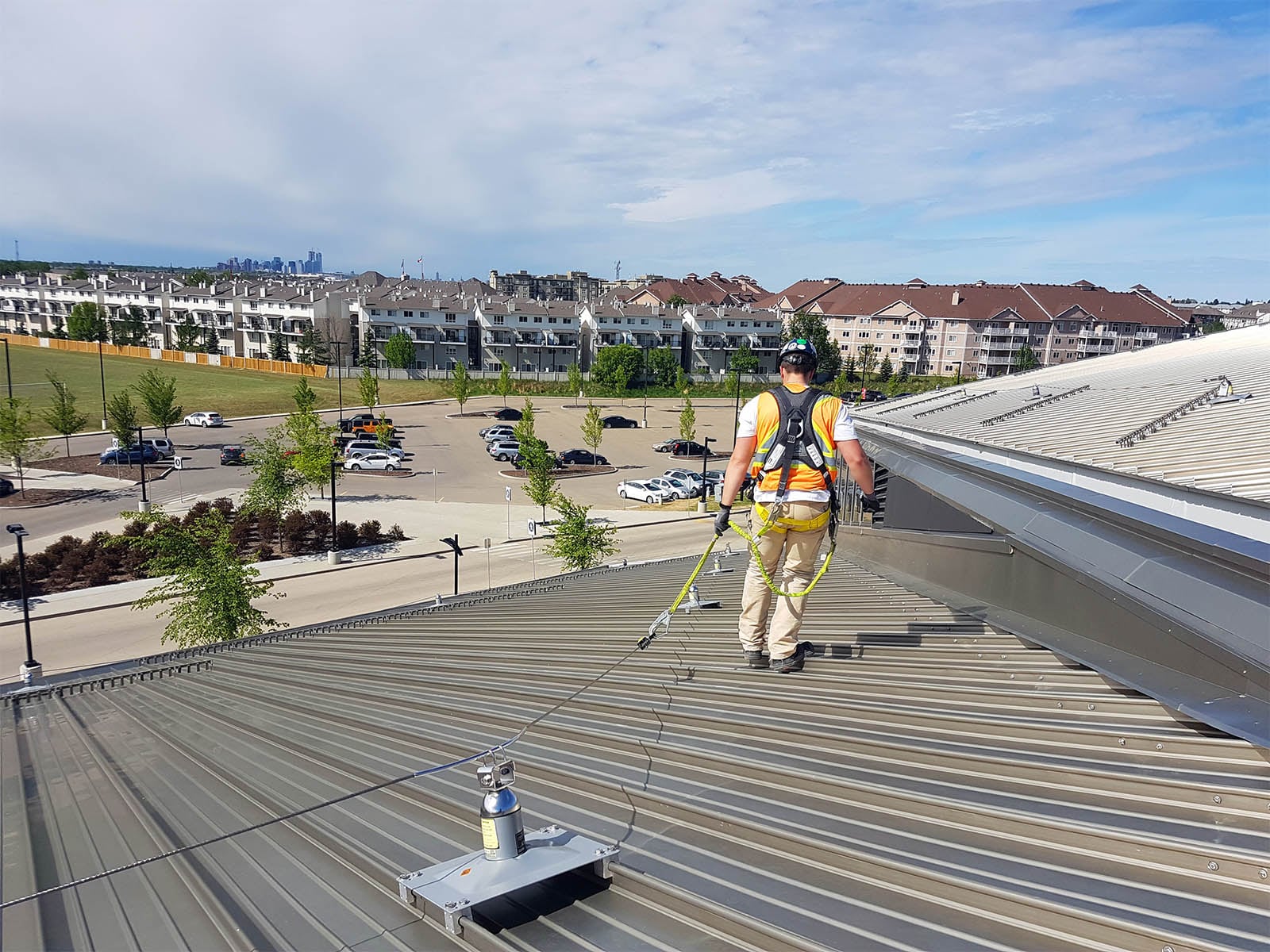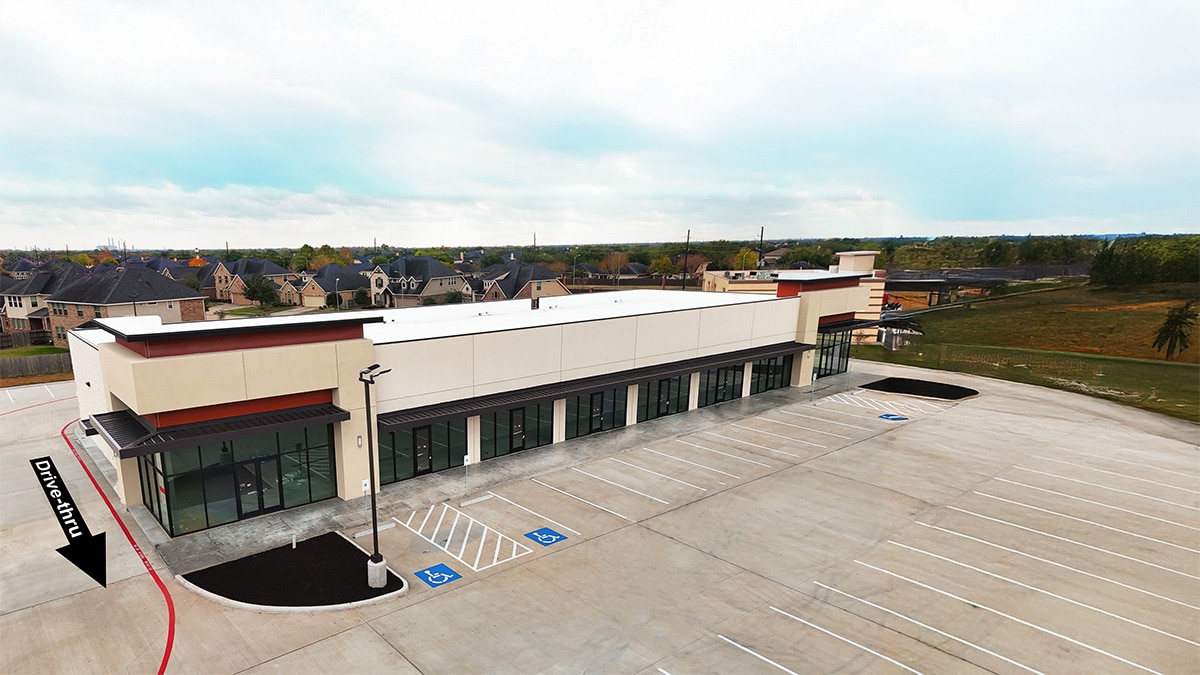
Fresno's retail corridors stretch across the Valley floor in ways that put enormous pressure on commercial roofs. From the big-box clusters along Shaw Avenue to the strip centers lining Blackstone from Herndon down toward downtown, flat and low-slope roofs are the dominant format, and the Central Valley climate makes them work hard. Summer temperatures routinely exceed 105°F, and the intense UV exposure at this inland elevation degrades membrane systems faster than coastal markets. Retail property owners and shopping center managers who delay roofing maintenance quickly find that tenant leaks, HVAC curb failures, and ponding water turn into CAM disputes and lease conflicts.
TPO roofing has become the standard specification across most of Fresno's commercial retail inventory, particularly on the pad sites and inline strip tenants along Herndon Avenue and the Manchester Center area. The white reflective surface reduces rooftop temperatures by as much as 50°F compared to dark modified bitumen, which directly lowers the cooling load inside every tenant space beneath it. For landlords managing multi-tenant strip centers, that reduction translates into fewer HVAC service calls, lower common-area energy costs, and a more defensible CAM reconciliation at year-end. PVC systems offer similar reflectivity with added chemical resistance, making them the preferred choice wherever restaurant exhaust grease contamination is a concern.
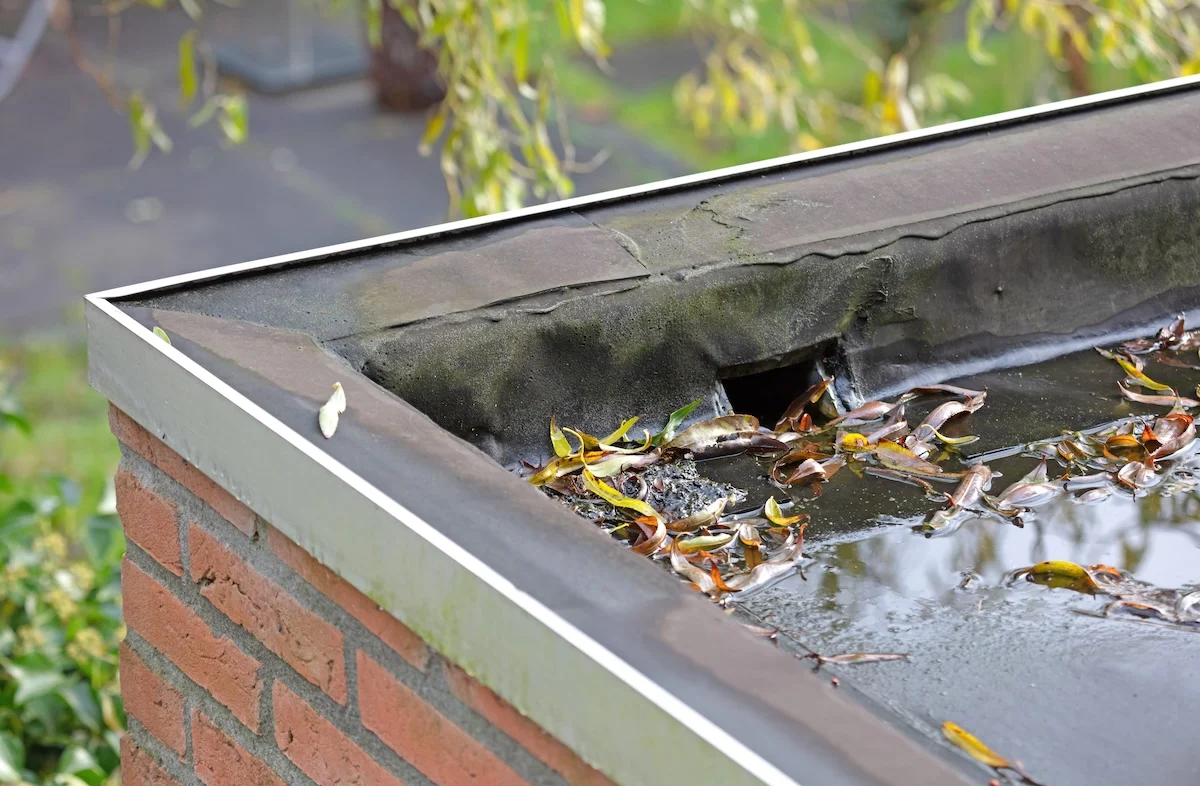
Retail buildings in Fresno face a specific drainage challenge that many property managers underestimate. The Valley's rainy season is compressed and intense — most annual precipitation falls between December and March, often in multi-day events. A flat roof with compromised drains or inadequate slope will pond water for days after a storm, stressing the membrane and accelerating seam fatigue. River Park Shopping Center and the power-center developments near Clovis Avenue have dealt with this issue as buildings age past their original 15-year membrane warranties. Re-pitching roof decks with tapered insulation during a reroof project is often the most cost-effective long-term solution rather than repeated drain cleanouts and patch repairs.
HVAC penetrations are one of the most common sources of retail roof failures in Fresno's large-format centers. The density of rooftop units on a typical inline strip tenant is high — a single 1,200-square-foot space might have two or three curb-mounted units — and every penetration is a potential leak point if the curb flashing is not properly maintained. At power centers like those near Fresno's northeast corridor, anchor tenants often specify their own HVAC contractors, creating coordination gaps between roofing warranties and mechanical warranties. A roofing contractor who understands retail tenant coordination can schedule flashing inspections around HVAC maintenance windows rather than requiring tenants to shut down operations.
Tenant disruption is a genuine financial concern for Fresno retail landlords, particularly in shopping centers where traffic patterns are interdependent. A roofing crew working on the front parapet of an anchor space during business hours sends a visual signal to shoppers that the property is in poor condition. Coordinating noisy tear-off work during early morning hours before stores open — many Fresno retailers along Palm Avenue open at 9 or 10 a.m. — keeps the disruption contained to a window when parking lots are nearly empty. Communicating project timelines to tenants in advance also reduces the friction that often surfaces at lease renewal time when tenants cite roof-related complaints as justification for reduced rent.
Fresno's retail market includes a significant number of older strip centers built in the 1980s and early 1990s along corridors like Belmont Avenue and Kings Canyon Road that have deferred major roofing capital expenditures. These buildings typically carry built-up roofing systems with multiple layers of bitumen and aggregate that have exceeded their useful life. The weight of accumulated layers on these older decks is often close to the structural limit, which means complete tear-off rather than overlay is the required approach. A proper roof assessment will include core cuts to measure existing layer depth and a structural review before any reroof scope is finalized.
Brand standards enforced by national retail tenants create specific requirements for rooftop work at Fresno shopping centers. Franchise tenants such as those in the fast-food pads along Shaw Avenue or the national specialty retailers in Fig Garden Village have lease provisions that govern how rooftop equipment is screened, how penetrations must be flashed, and what notice is required before roof access. Violating these provisions — even inadvertently during a reroof — can trigger lease default claims. Commercial roofing contractors working in Fresno's retail sector need to be familiar with how to pull the tenant's lease exhibit covering rooftop standards before any work begins.
The economic environment in Fresno's retail sector includes a large number of owner-operators managing single-tenant and small multi-tenant buildings rather than institutional landlords with dedicated property management departments. These owners often rely on their roofing contractor to serve as an advisor on maintenance timing and capital planning. An honest assessment of whether a roof needs immediate replacement or can be extended three to five years with targeted repairs and a fluid-applied coating is the kind of guidance that builds long-term relationships. The Central Valley's dry summers are actually ideal for applying restoration coatings because the extended cure window before the first fall rains allows full adhesion.
Selecting a commercial roofing contractor for Fresno retail projects means evaluating experience with the specific membrane systems that perform in the Valley's climate, familiarity with the tenant coordination protocols that multi-tenant centers require, and the capacity to execute large-scope projects during the compressed construction windows available between the rainy season and summer heat. References from property managers at recognized Fresno retail assets carry more weight than general commercial references. The combination of technical knowledge and retail-specific project management experience is what separates contractors who protect landlord-tenant relationships from those who create additional friction.
- How often should a flat retail roof in Fresno be professionally inspected?
- Fresno's combination of intense summer UV and compressed winter rain season makes semi-annual inspections the recommended standard — once in fall before the rainy season and once in spring after it ends. Regular inspections catch drain blockages and seam fatigue before they become active leaks that affect tenants.
- What is the typical lifespan of a TPO roof on a Fresno strip center?
- A properly installed 60-mil TPO membrane in Fresno's climate typically performs for 20 to 25 years with routine maintenance. The Valley's UV intensity is a primary degradation factor, so membrane thickness and UV-resistant formulations matter more here than in cooler coastal markets.
- Can reroof work be completed without requiring retail tenants to close?
- In most cases, yes — experienced retail roofing contractors schedule tear-off and loud work during early morning hours before tenant opening times and avoid compromising interior ceiling areas during business hours. The exception is when a major structural repair requires interior access, which must be negotiated directly with the affected tenant.
- How do HVAC rooftop units affect a retail roof warranty?
- Most membrane manufacturers require that HVAC curb flashing be completed by the roofing contractor or a certified installer to maintain warranty coverage. Allowing a mechanical contractor to set a unit on a freshly installed membrane without coordinating with the roofer is a common way warranties are voided on Fresno retail properties.
- What is tapered insulation and when does a Fresno retail building need it?
- Tapered insulation is a sloped layer installed beneath the membrane to direct water toward drains rather than allowing it to pond. Fresno buildings with deck deflection issues or poorly placed original drains are strong candidates, as the Valley's winter storms create extended ponding periods that accelerate membrane wear in low spots.