Solar Belongs On a Roof That Can Carry It for Twenty-Five Years
Photovoltaic modules are sold with production guarantees that run two and a half decades. The membrane they sit on is often much closer to the end of its life than the owner realizes. We get called onto a lot of Fresno commercial buildings where that gap is the real story, and bolting an array onto a tired roof is the most expensive way to learn it. Our role is narrow and deliberate: we are the roofing contractor on the project, we make sure the surface under the panels can go the distance, and we leave the kilowatts and the financing to your solar provider.
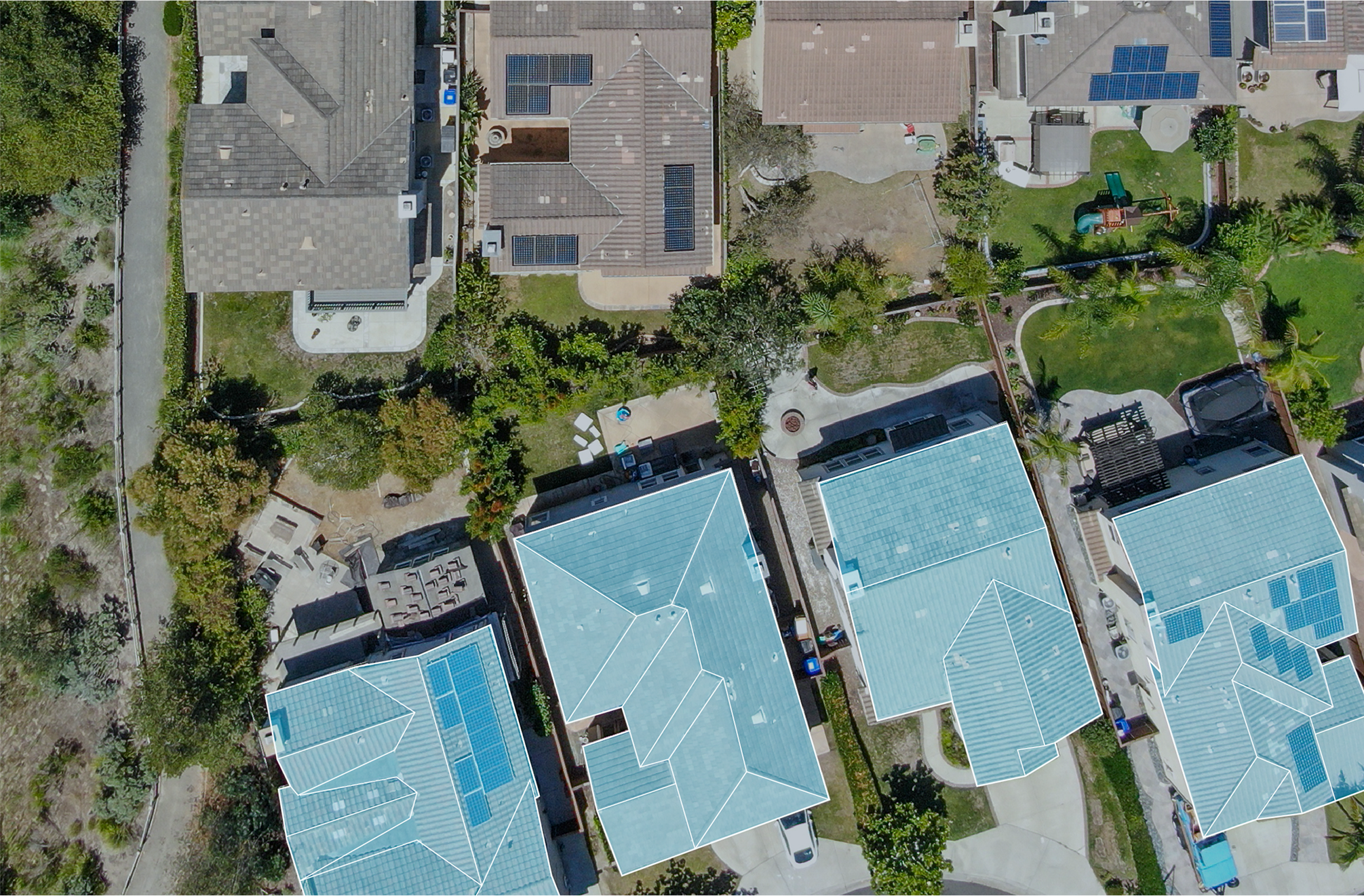
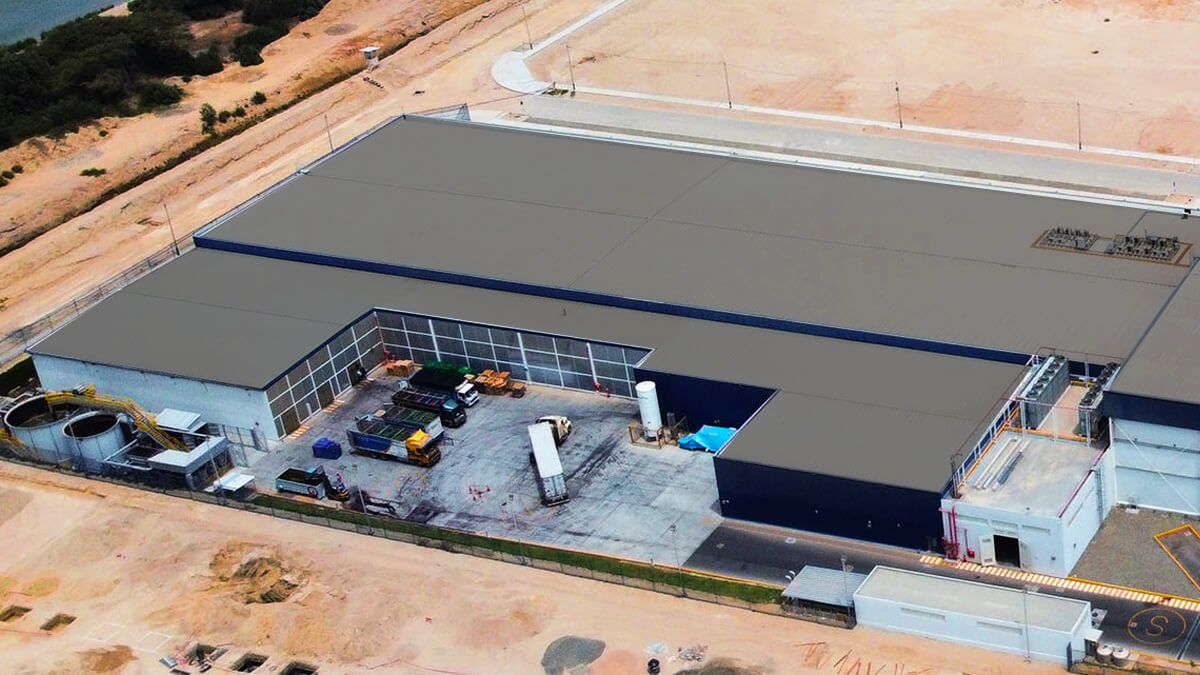
There is no shortage of reasons solar pencils out here. A fulfillment building near the Highway 41 interchange runs its air handlers hard from May into October, the utility's commercial demand charges bite hardest at the exact midday hours when the sun is strongest, and the broad flat membranes on the logistics buildings southwest of downtown make unusually clean collectors. Add the federal tax credit and California's net-metering rules and the spreadsheet works. None of that changes the fact that the decision starts and ends with the roof.
We Core the Roof Before You Sign Anything
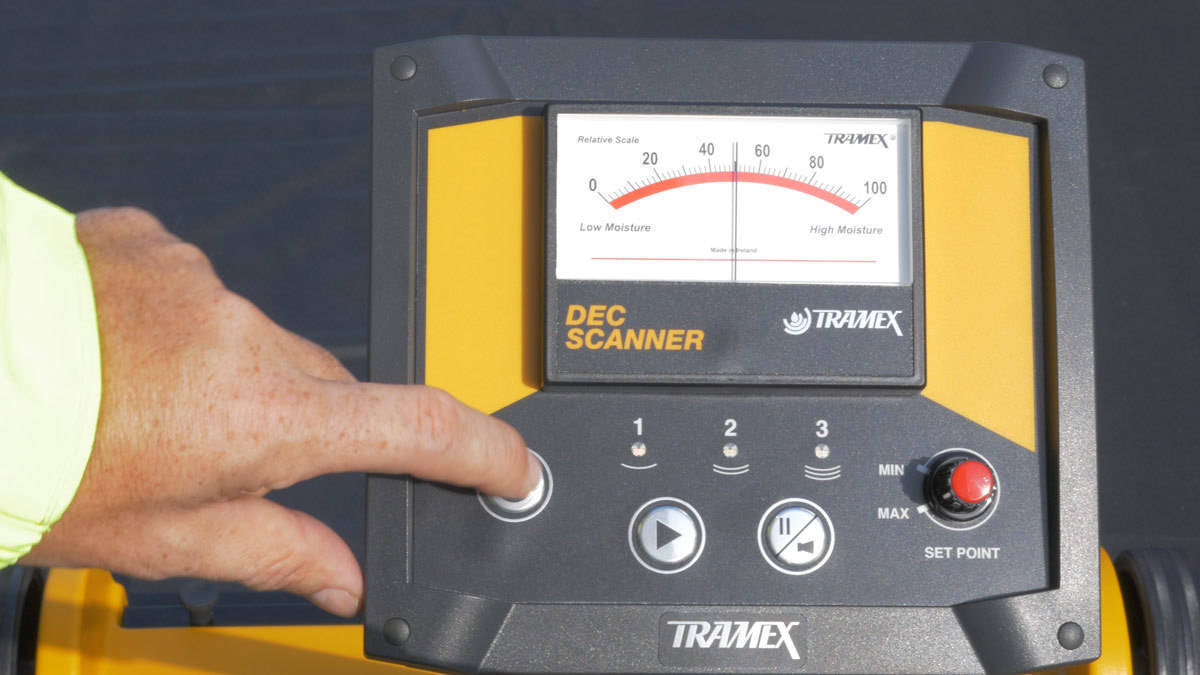
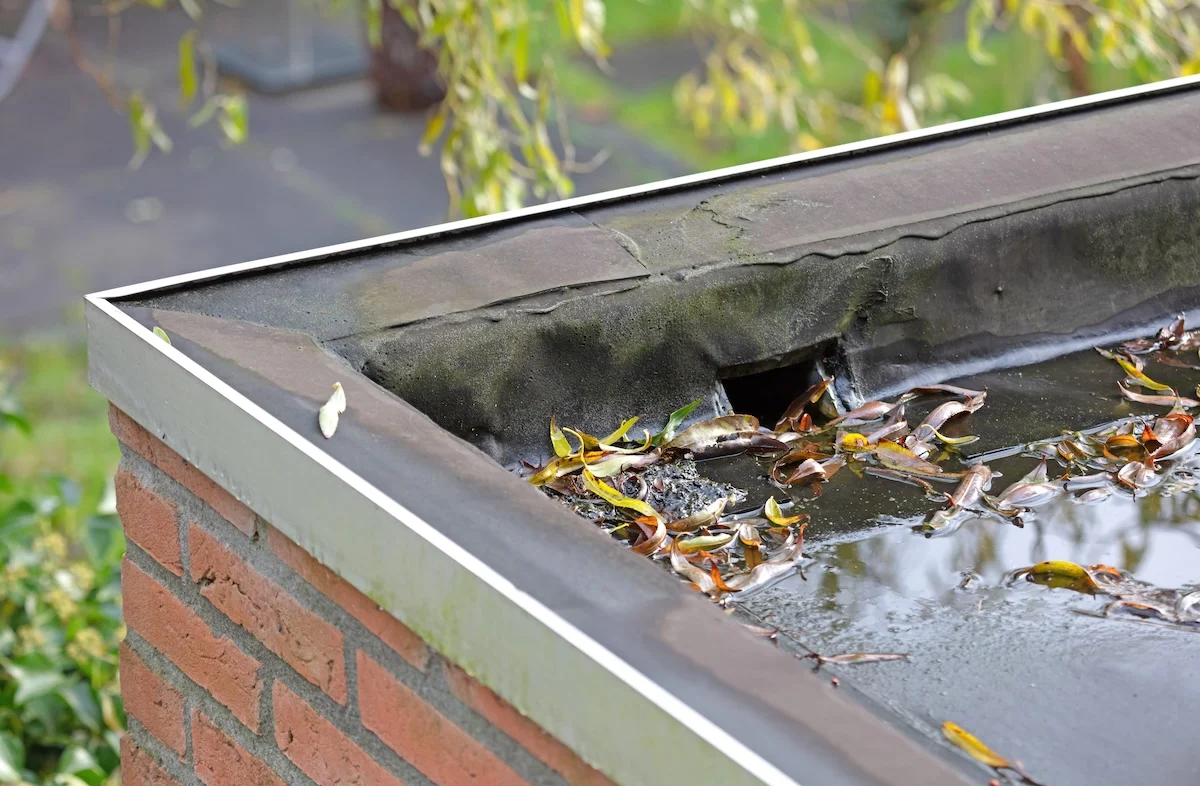
The first thing we hand an owner thinking about solar is an honest remaining-life number on the roof they already have. We pull cores from the assembly, look at the membrane for chalking and seam separation and brittleness, probe the insulation for moisture that has already crept in, and check whether the drains still move water. Then we answer the only question that matters at that stage: does this roof have enough life left to host an array, or does it need to come off first?
- Fifteen-plus documented years of membrane life left, and we clear the building for installation and move straight into load and attachment design.
- Seven years or fewer, and we tell you to reroof before a single rail goes down, because pulling panels and racking back off during a forced replacement can add tens of thousands to that future job.
- Somewhere in the middle, and we put the trade-offs in front of you as dollars and timelines so your finance people decide on numbers instead of a hunch.
Pounds Per Square Foot and What the Structure Was Built For
An array is dead weight the building was not necessarily designed to hold. Ballasted racking is the usual choice on low-slope Fresno roofs because concrete pavers hold the system down without puncturing anything, but every one of those pavers is load the structural frame has to absorb. Plenty of the older tilt-up and steel bar-joist warehouses out toward Cherry Avenue and through the southwest industrial blocks were drawn up with no spare capacity for that. We make sure a structural engineer signs off on the added load before anyone orders ballast, rather than discovering the limit after the pallets are on the roof.
Uplift is the flip side of weight. We do not see Gulf-coast hurricanes in the San Joaquin Valley, but we do get hard north winds rolling down the valley and the occasional violent frontal storm, and a field of panels is a field of little airfoils. The racking layout, the ballast counts, and any mechanical anchors get designed to the wind loads in the building code that governs our area, with the array held well back from the roof edges and especially the corners, where uplift pressure spikes. When the math says ballast alone would overload the deck, we move to a mechanically attached or hybrid system, and that pushes the conversation straight to penetrations.
Every Anchor and Conduit Run Is a Leak Waiting to Happen
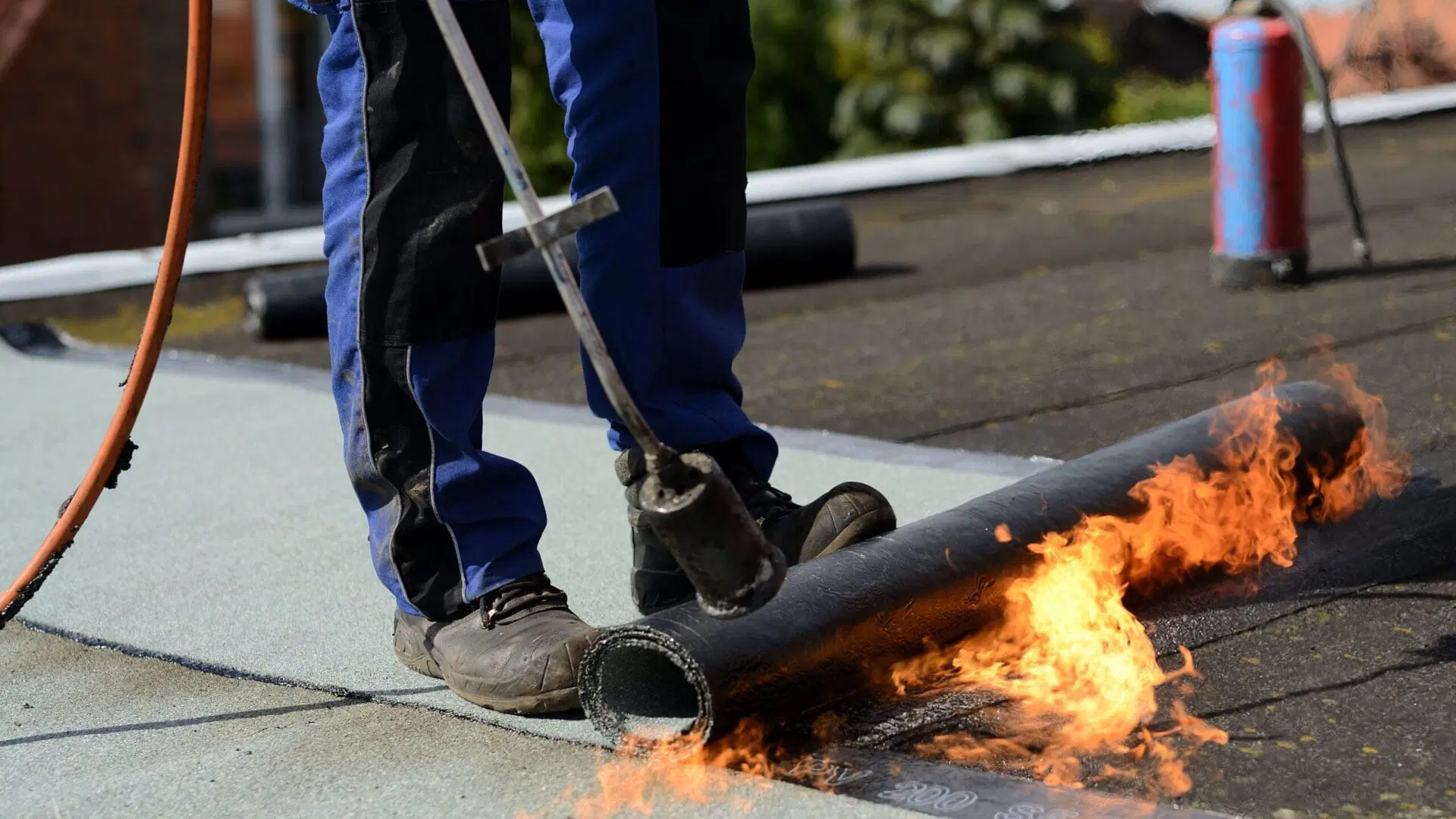
Attachment-anchored racking and the conduit feeding the inverters all put holes in the roof, and holes are exactly where roofs fail. We flash every racking foot and every conduit pass-through to the membrane manufacturer's published detail, performed by our roofing crew, not improvised with a tube of sealant by whoever is closest. Conduit is the worst repeat offender we find on solar jobs: when an electrician screws it flat to the membrane with no standoff, the pipe expands and contracts in the valley heat and slowly saws into the roof, and a generic boot over that penetration turns into a steady drip inside a season or two.
- Racking feet on TPO or PVC get manufacturer-approved bonded flashing welded into the field sheet, never caulk over a wound.
- Conduit penetrations get correctly sized pitch pockets or pre-formed seals, flashed by us before any wire is pulled.
- Surface conduit rides on approved standoffs with walk-pad protection underneath so it can never abrade the membrane.
Choosing a Membrane That Lives as Long as the Panels
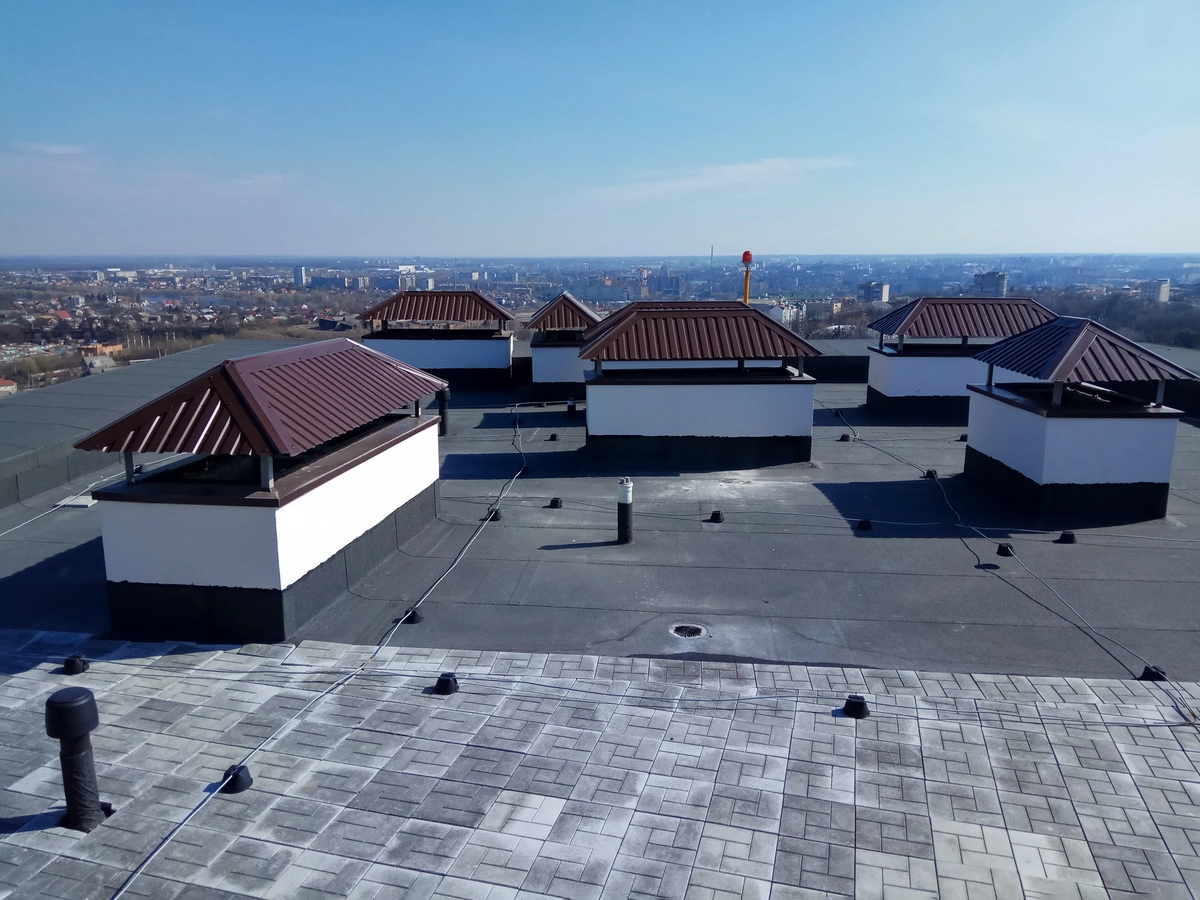
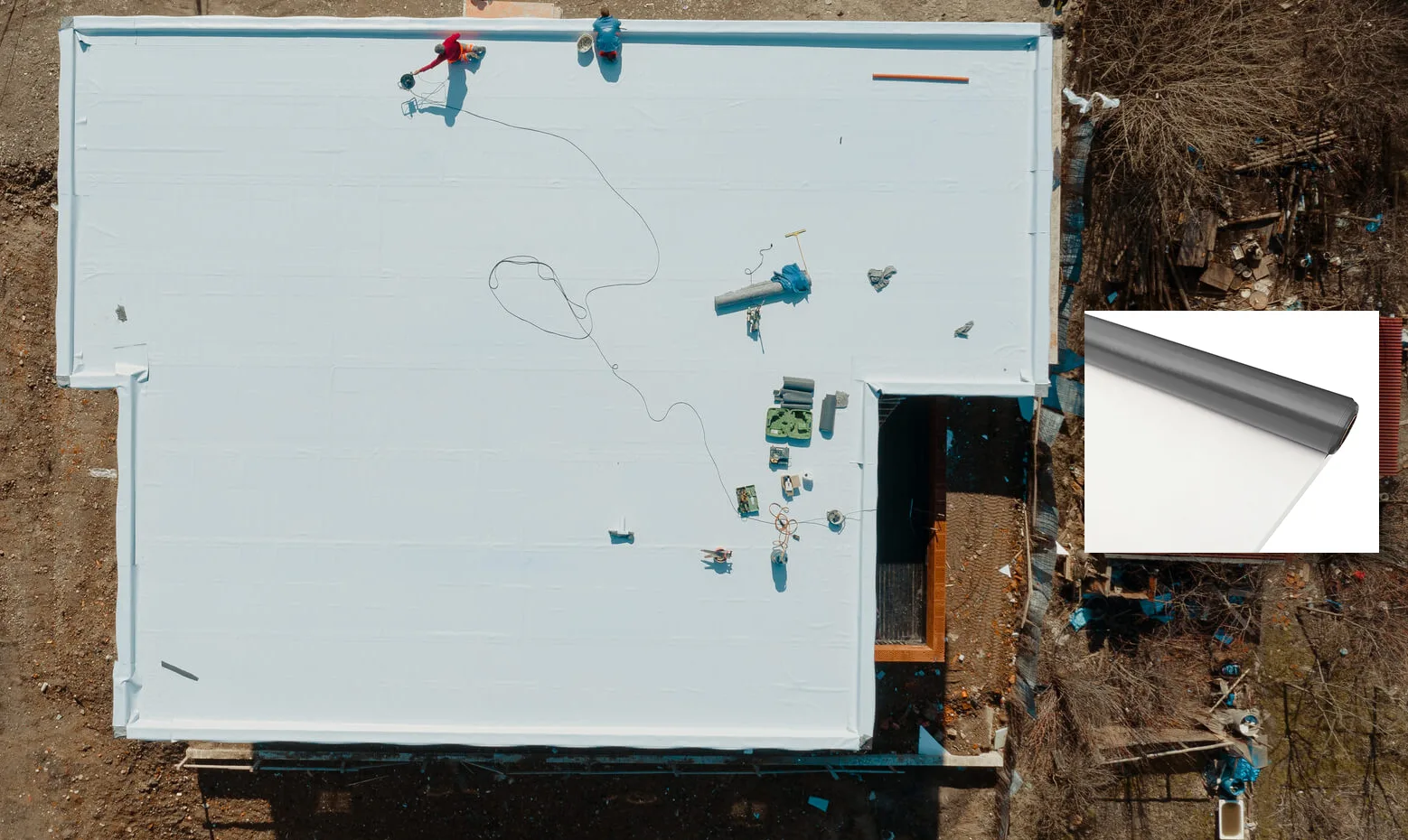
The roof under an array should outlast the array and should push heat away rather than soak it up. A bright reflective single-ply runs cooler under the modules, and cooler modules make more electricity, so the roof and the solar system actually help each other. On most Fresno solar roofs we specify a 60-mil reflective TPO or PVC, mechanically attached to give ballasted racking a stable and uniform bed. Where the structure rules out ballast and the system has to be anchored down, a fully adhered assembly cuts the number of penetrations the racking would otherwise force into the deck.
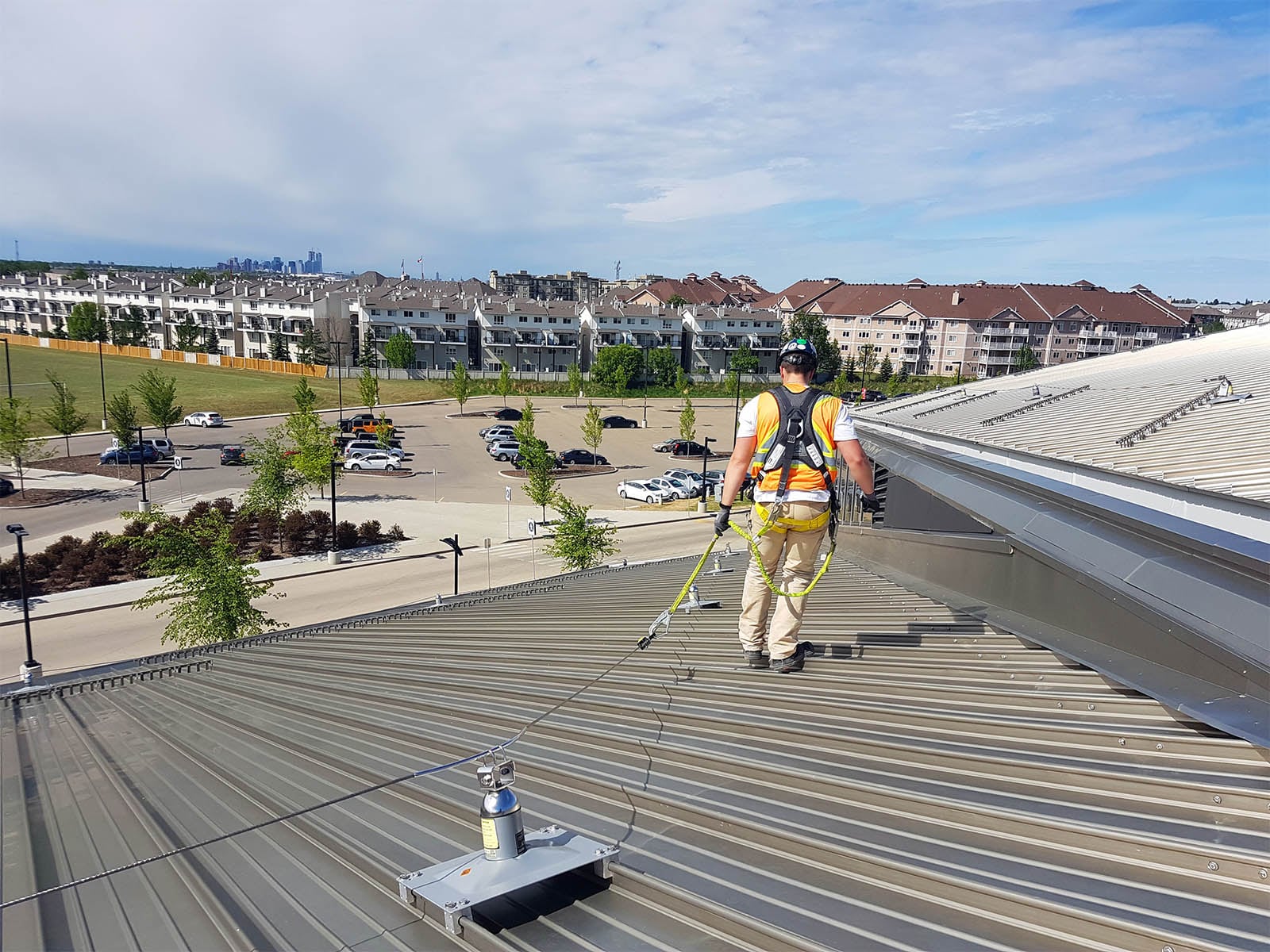
Walk-pad protection carries more weight on a solar roof than almost any other kind, because the array locks in recurring foot traffic for the life of the system. Every inverter service call, every panel washdown, every electrical inspection means boots on the membrane, so we map protected maintenance lanes from the roof hatch to the equipment before the first module is delivered.
Two Warranties That Have to Coexist
The quickest way to kill a roof warranty is to let a solar crew cut into the membrane without the manufacturer's blessing. The major single-ply manufacturers will hold a warranted roof in force under a rooftop array, but only when the system design, the ballast pads, the walkway protection, and the anchor details follow their written requirements and their warranty rep reviews the plan before work begins. We run that review as part of the job so the roofing warranty and the solar warranty live side by side instead of canceling each other.
Sequencing is the piece nobody claims until water shows up inside. The membrane gets installed and inspected first. Conduit penetrations get flashed by our roofers, not the electrician, before conduit is routed. Only then do rails go down and modules go up. We sit down with the solar contractor before construction and put that order in writing along with conduit routing, penetration details, and the final inspection both warranties demand, so there is no argument later about who breached the roof.
Questions Fresno Owners Ask Us
Do you sell or install the solar array? No. We own the roof and every roofing-related detail of the integration, and we work alongside the solar contractor you choose. Keeping those jobs in separate hands is precisely how the roof stays protected.
Will you work with the installer my energy consultant already picked? Yes. We regularly join an existing solar team to handle the membrane assessment, any reroof, the penetration and flashing scope, and the manufacturer warranty review.
My roof is in good shape but I want it solar-ready for later. Can you do that? Yes. We can install or upgrade to a solar-rated membrane and build in conduit chases and reinforced attachment zones now, so a future array drops onto a roof that was made to receive it.
If you are weighing solar on a commercial building anywhere from the warehouse district off Golden State Boulevard to the office parks along Shaw Avenue, start with the roof. Call us for a core assessment and a straight answer on whether to build your array on what you have or replace it first.